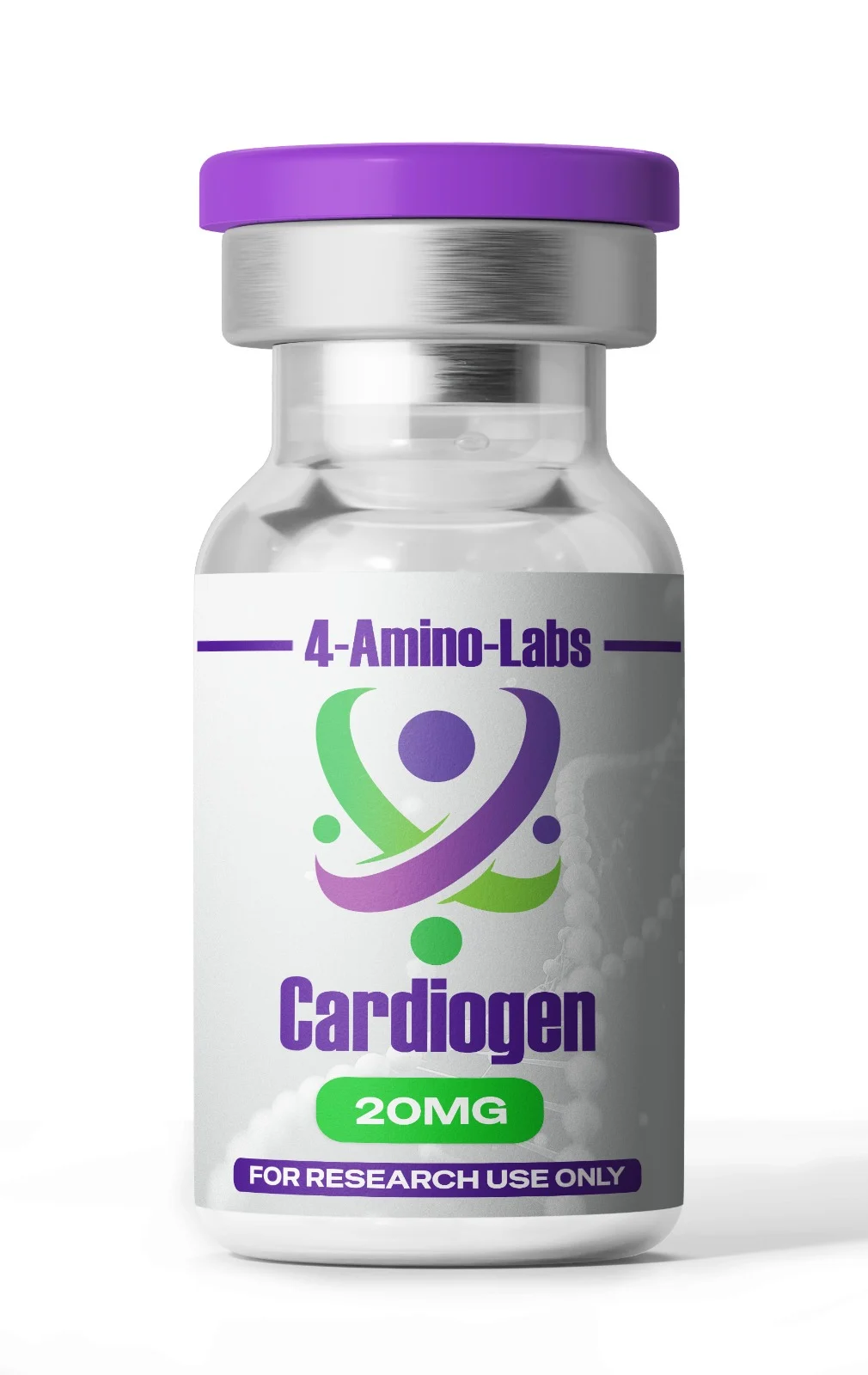
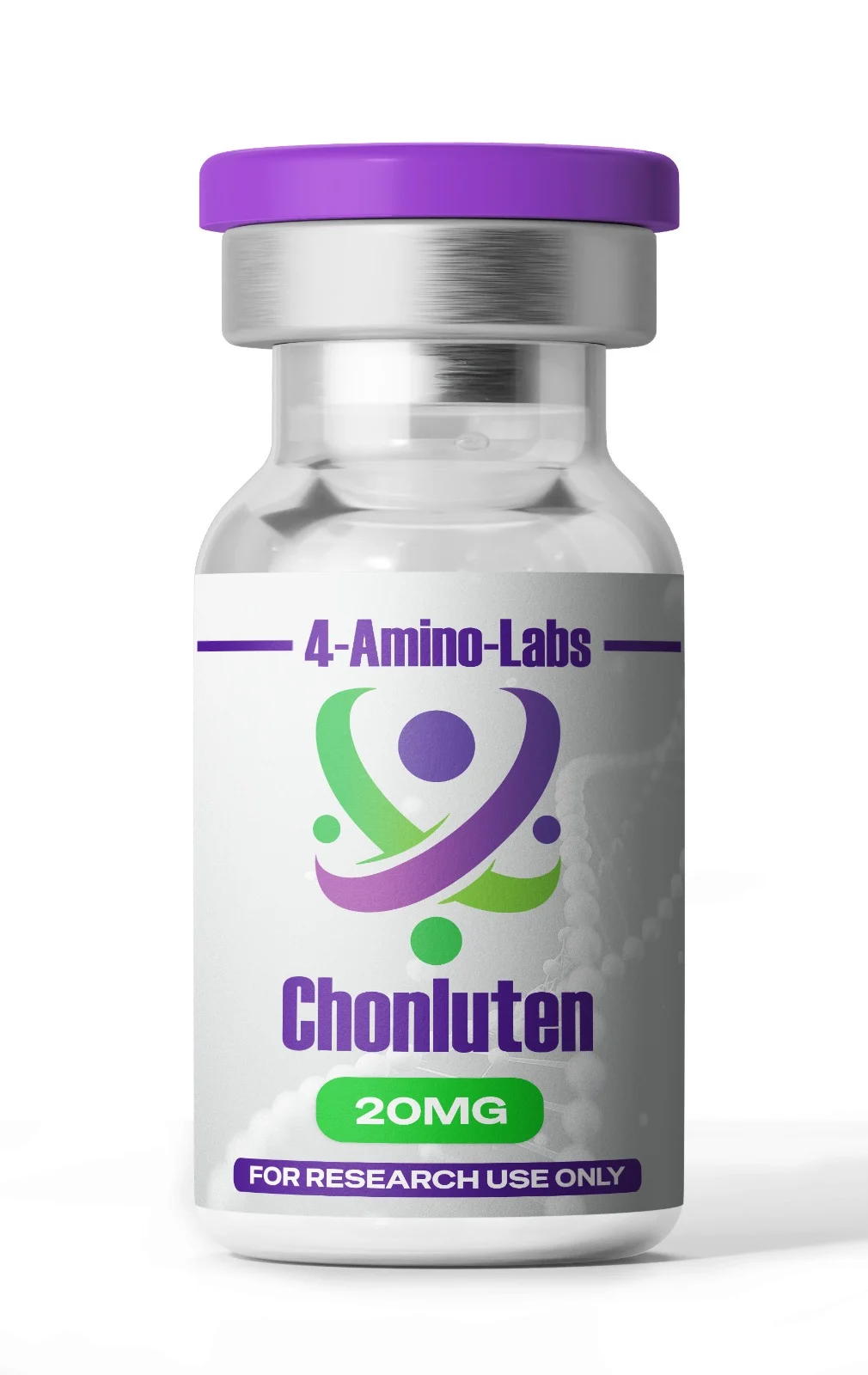
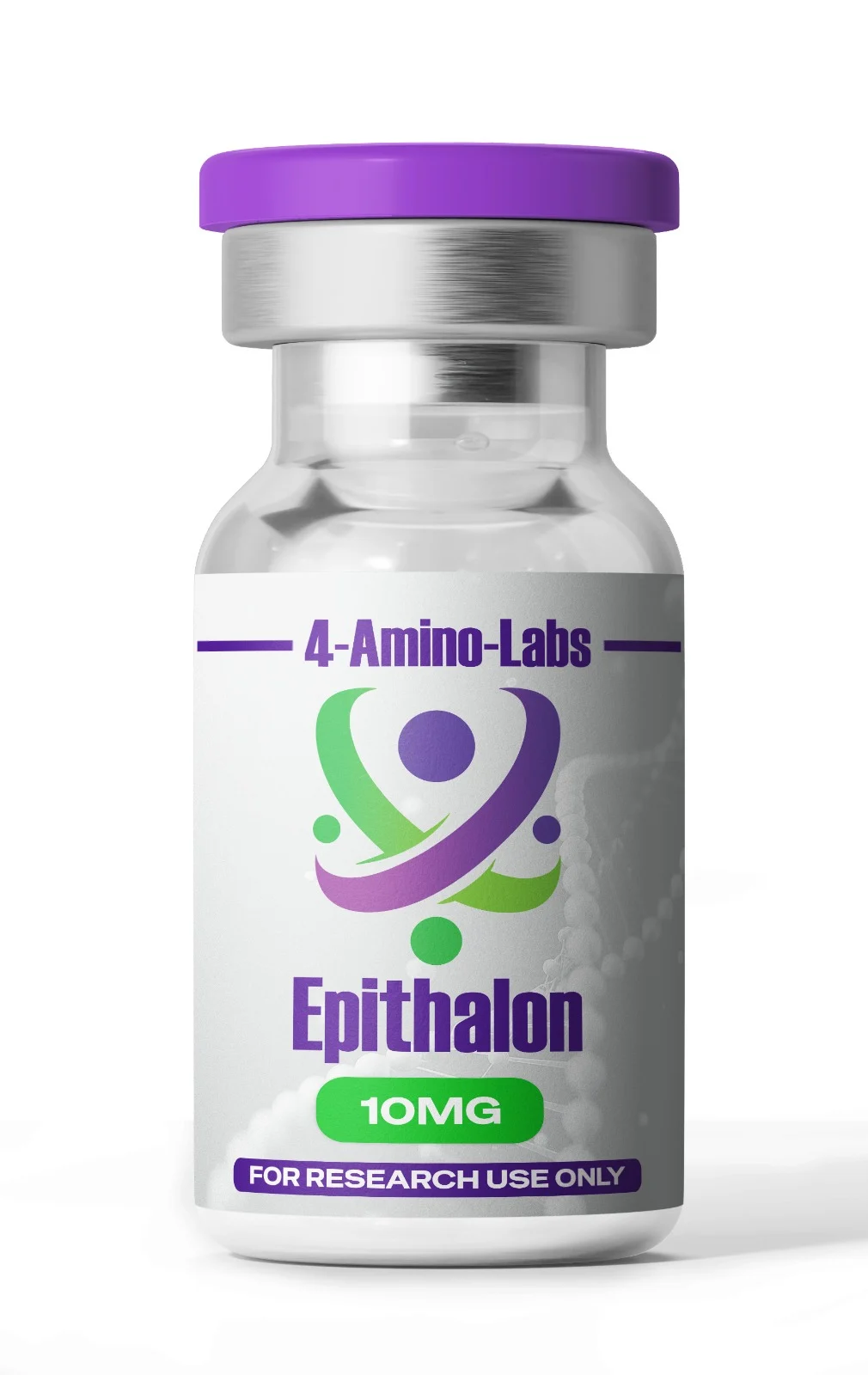
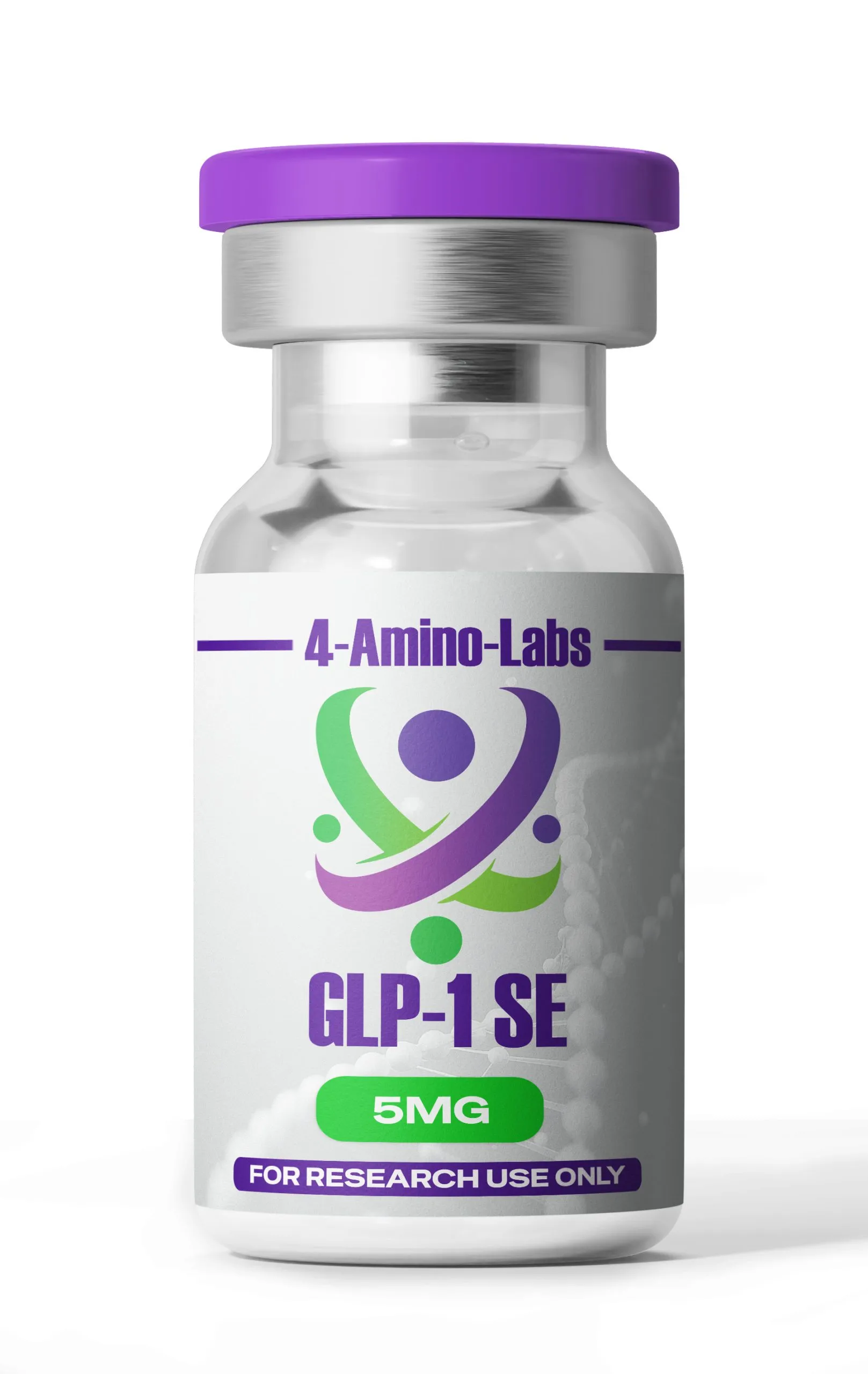
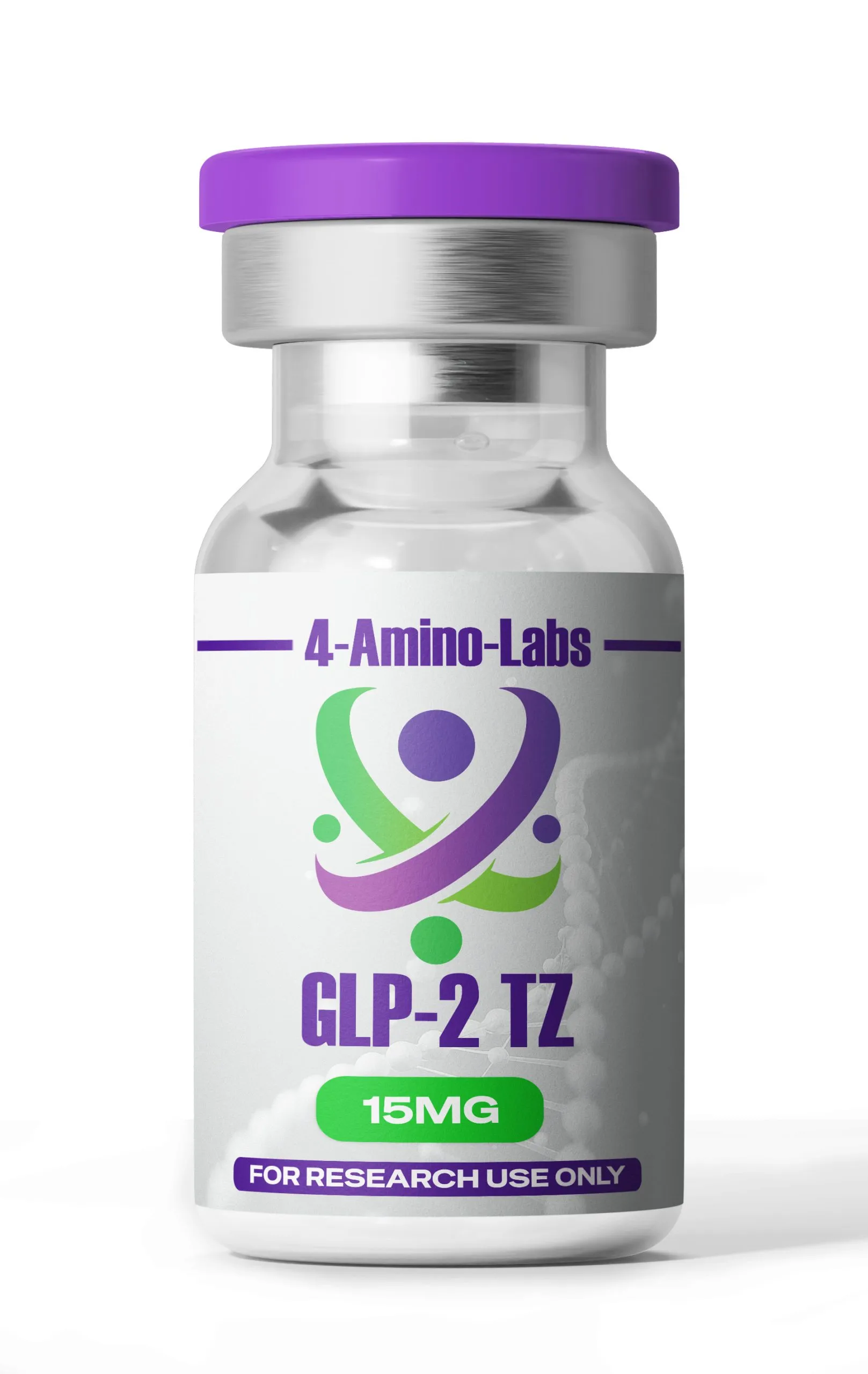
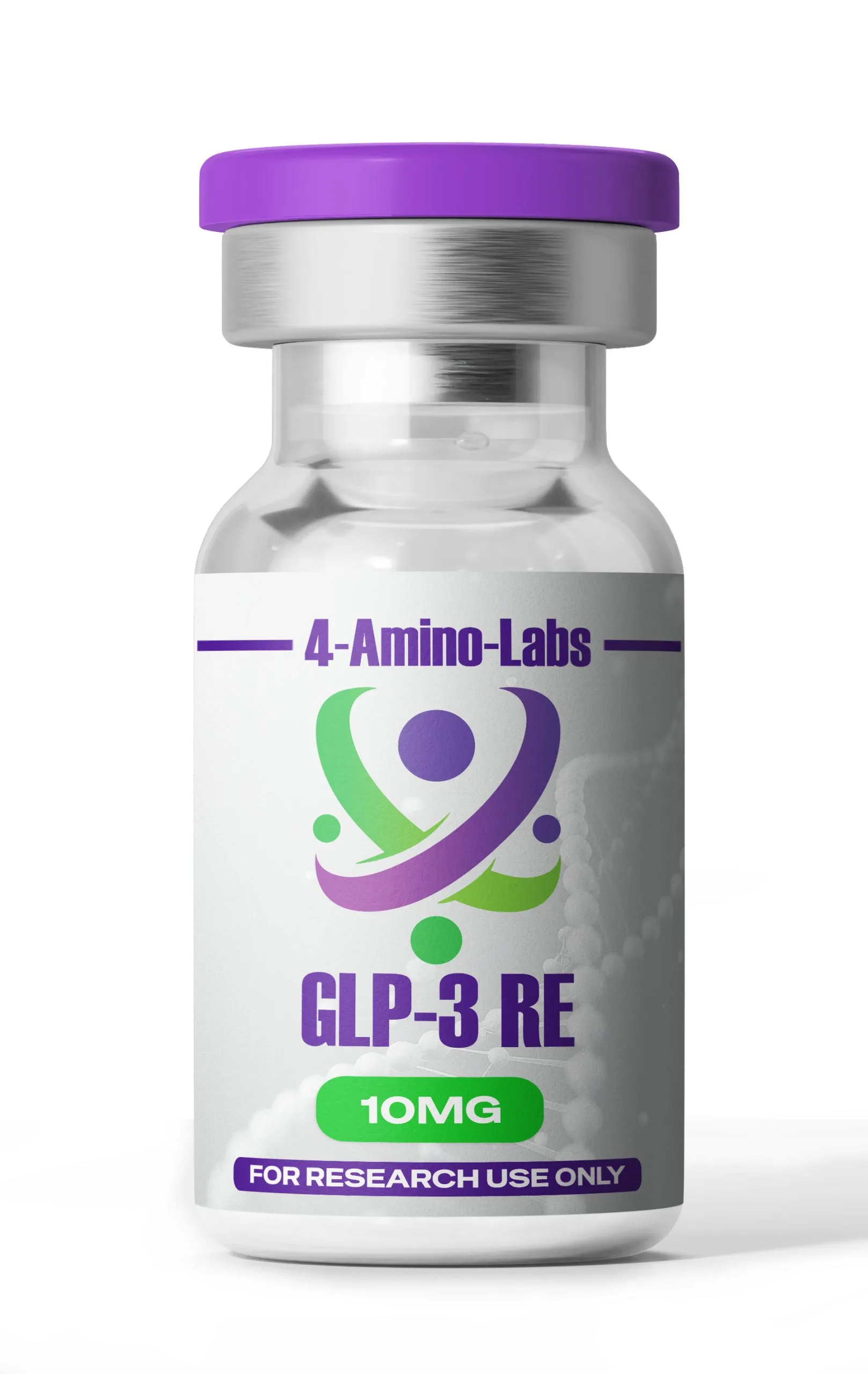
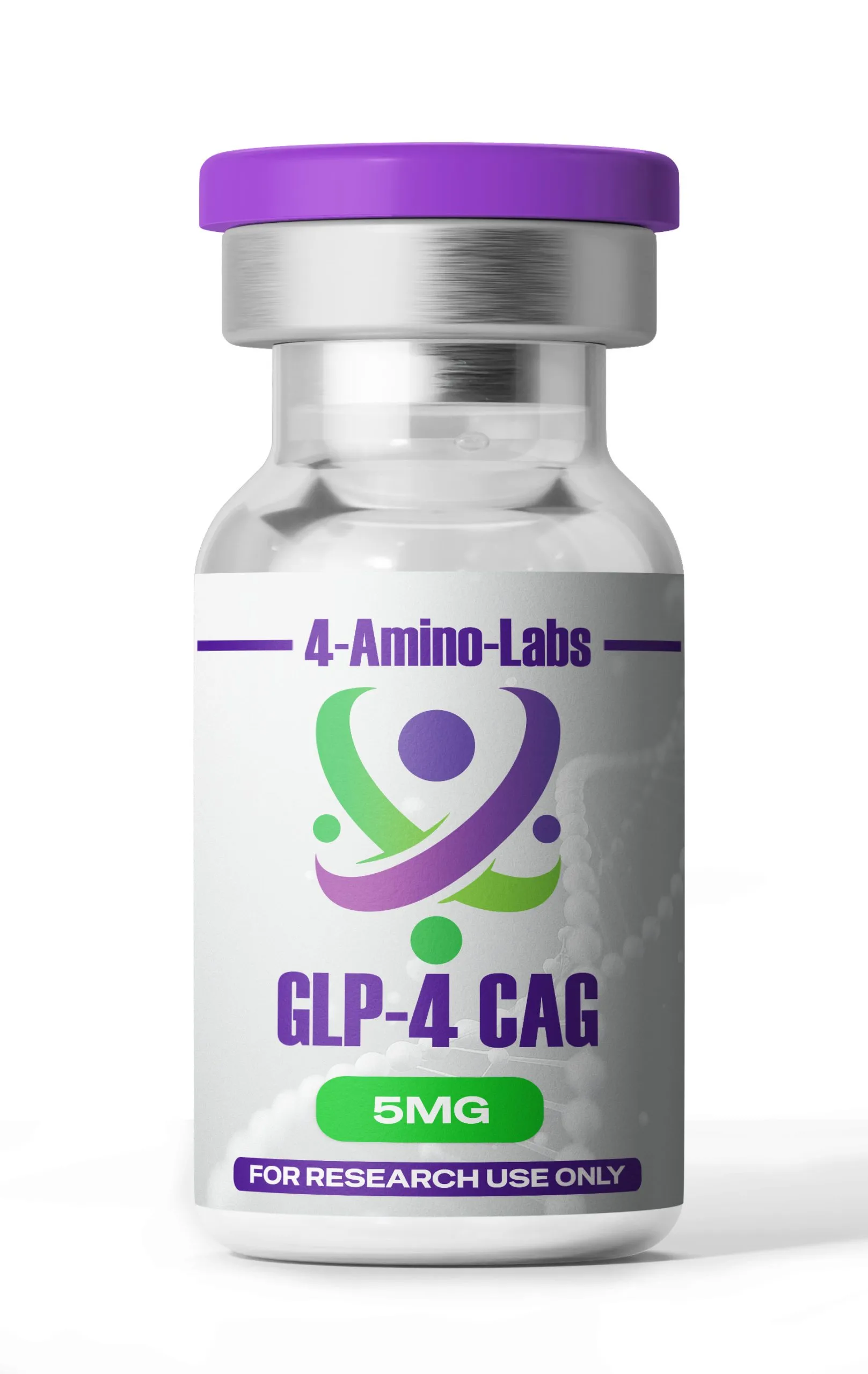
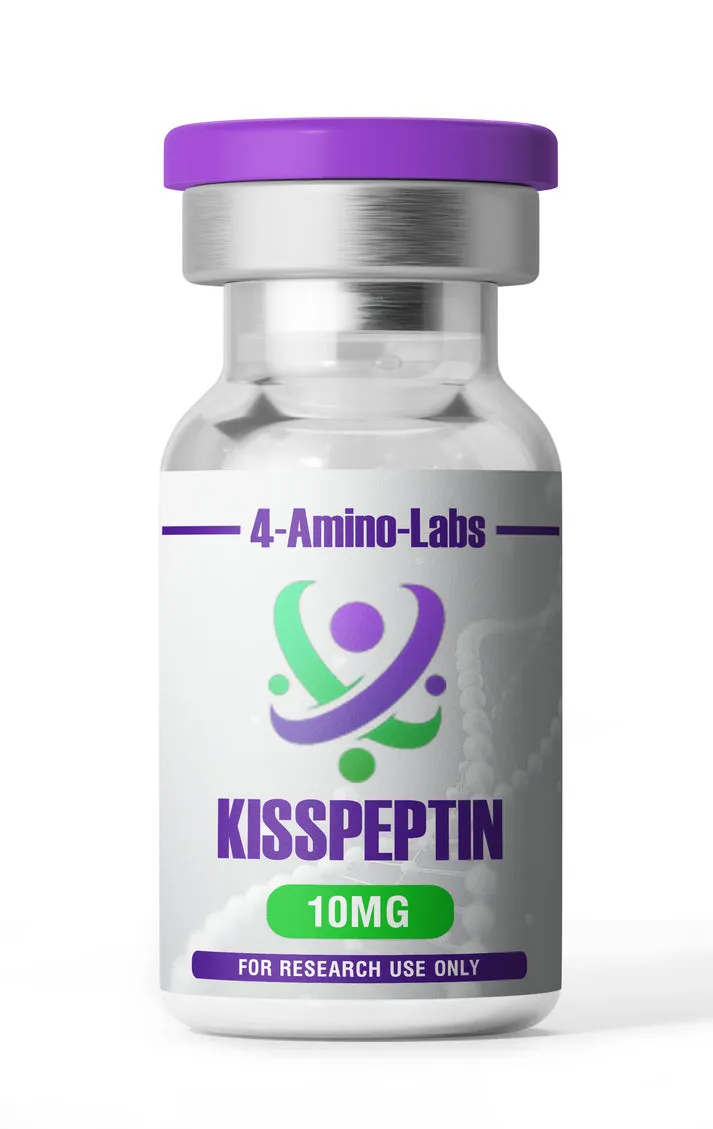
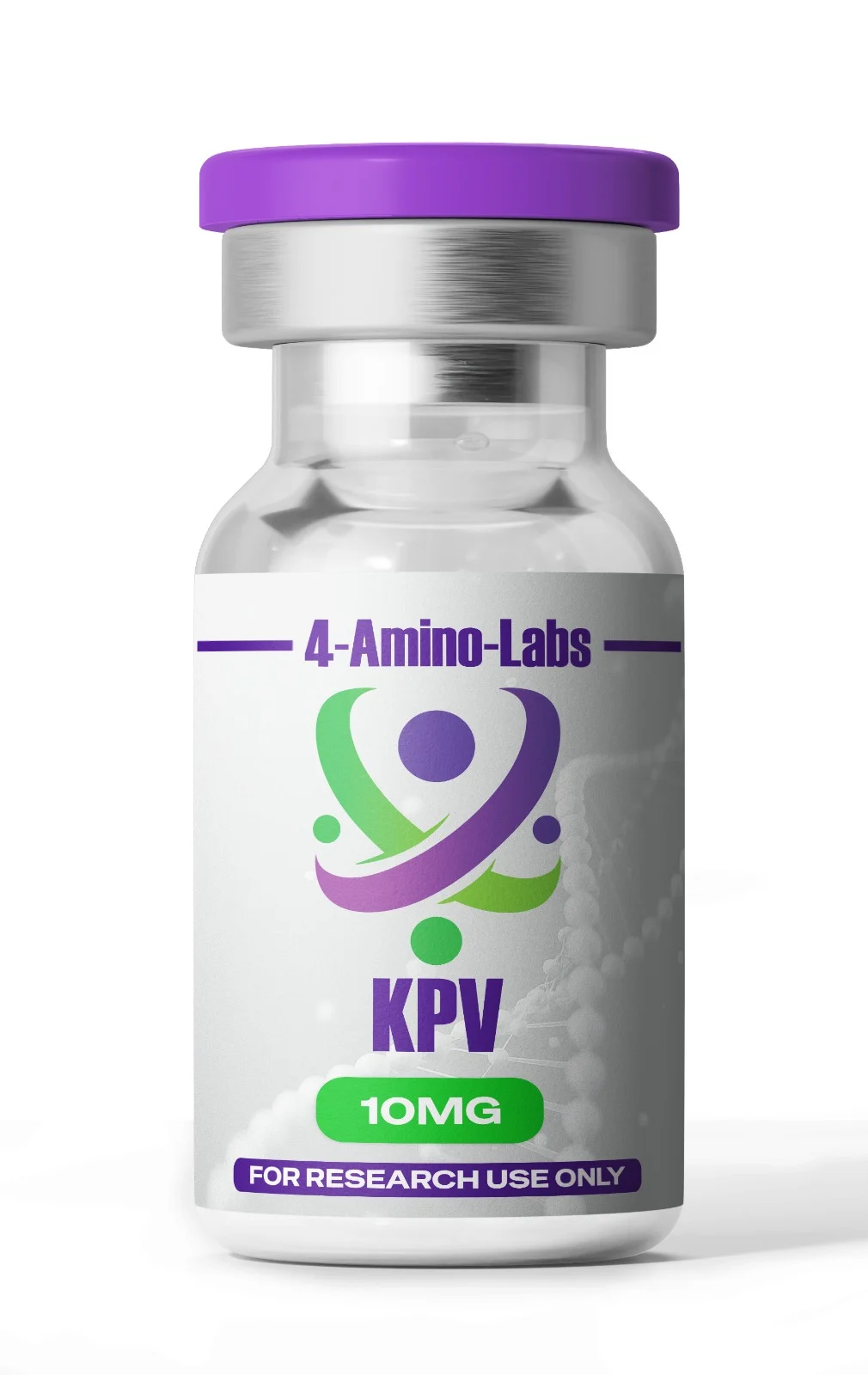
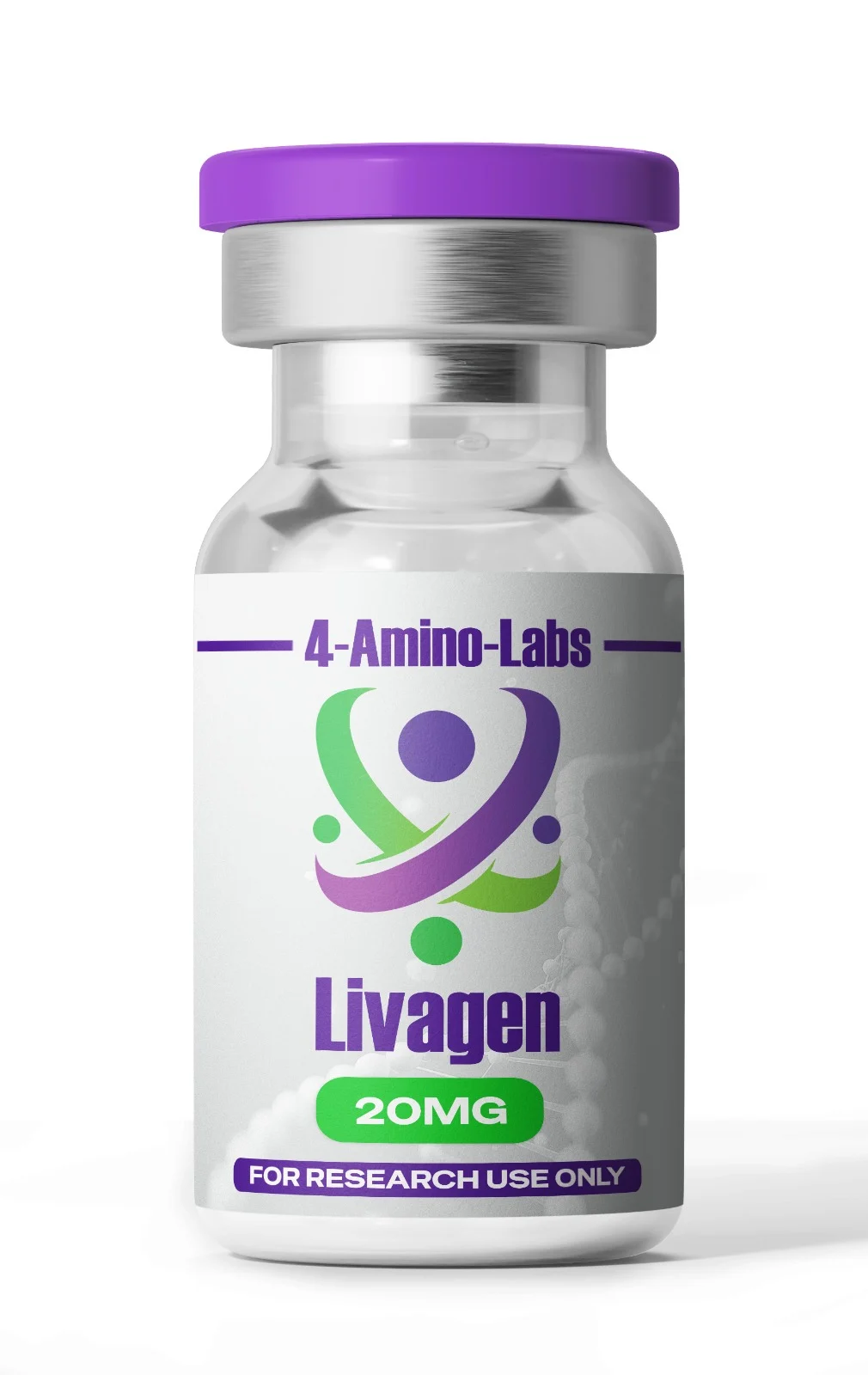
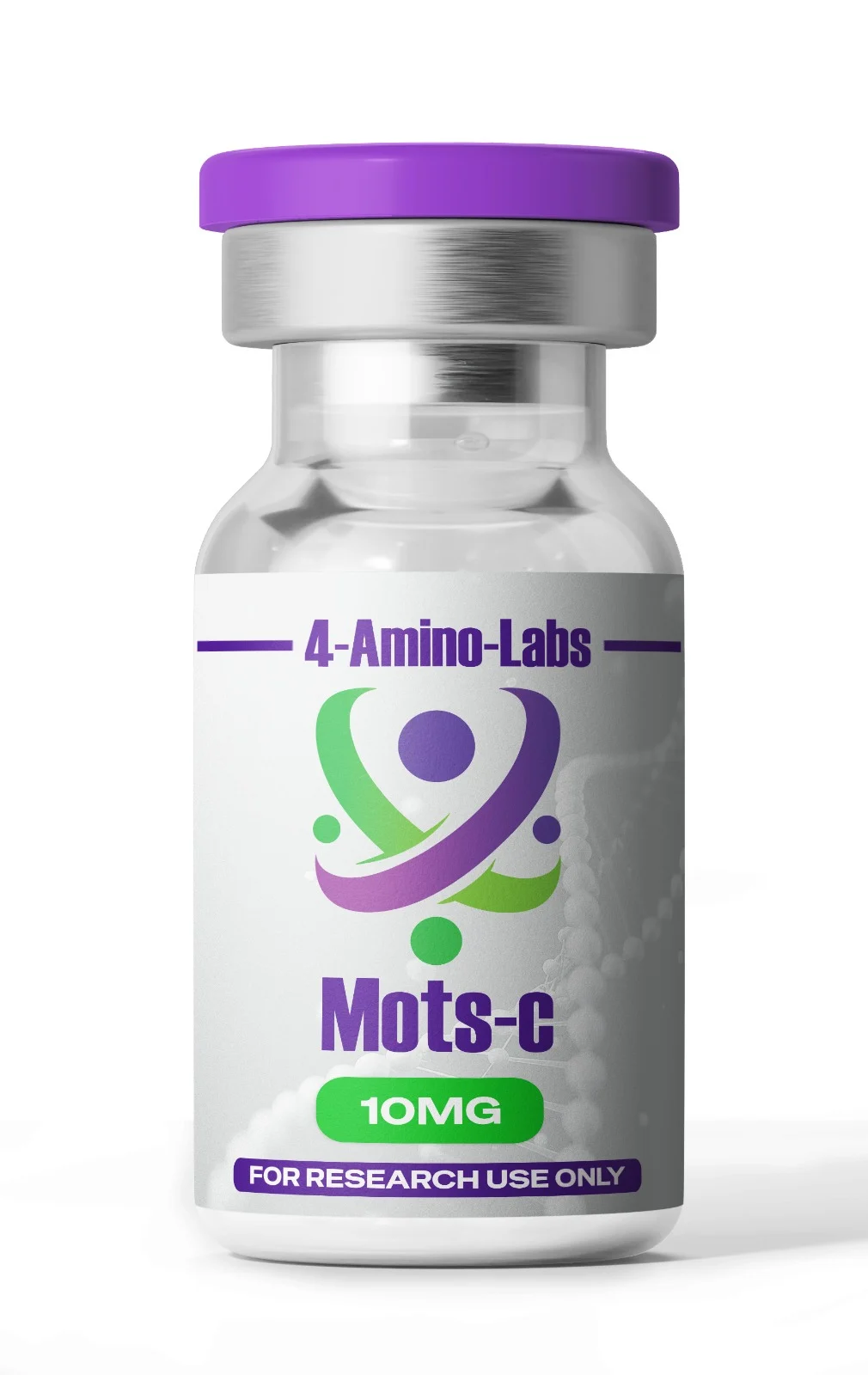
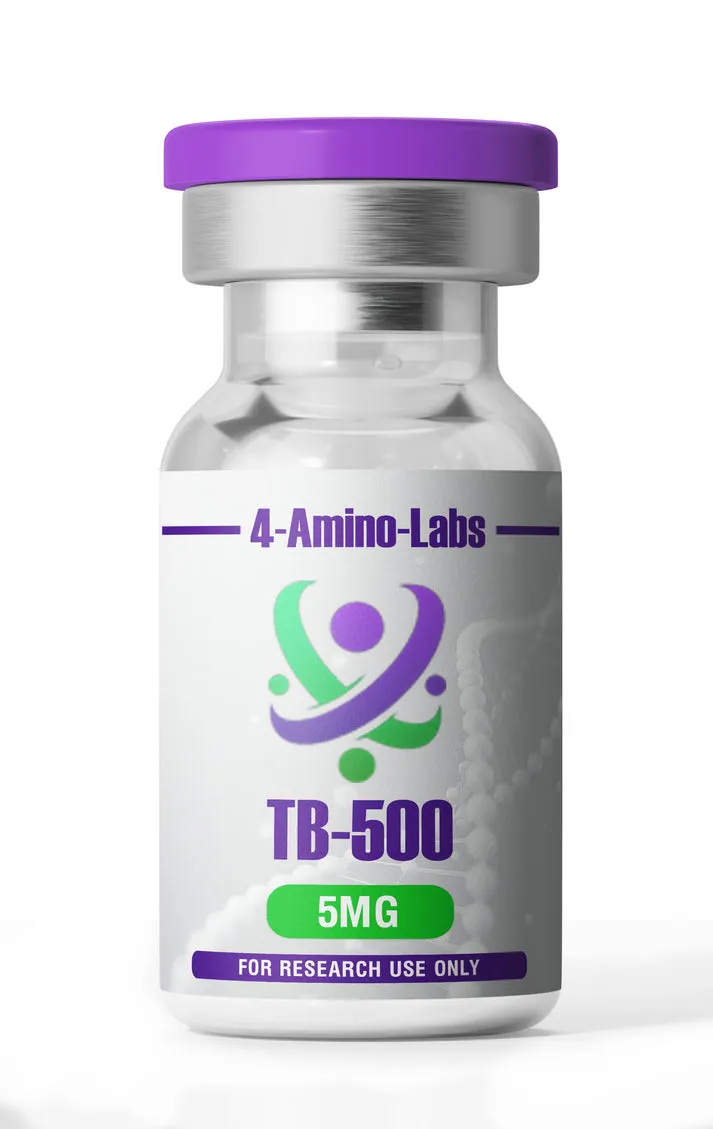
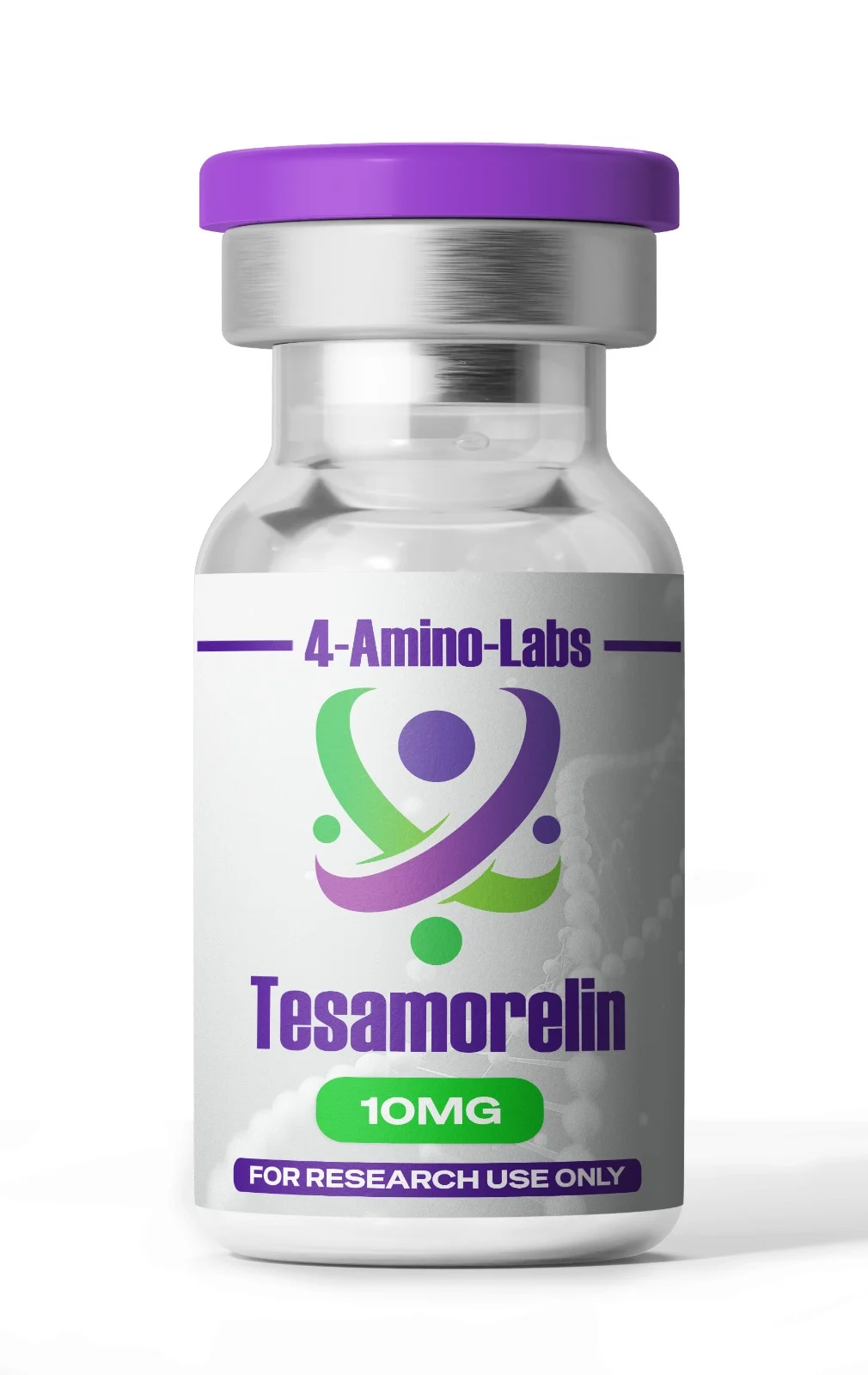
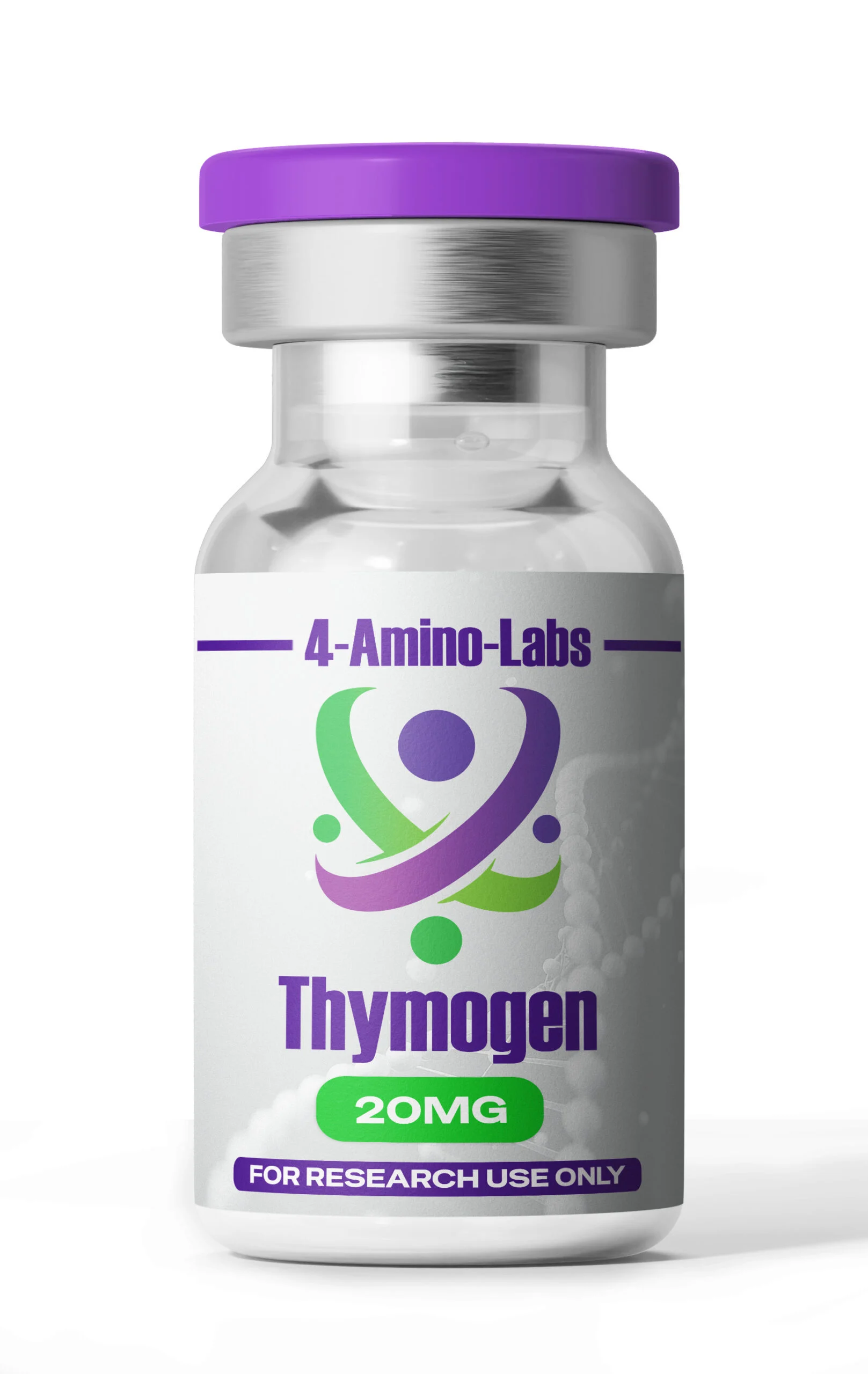
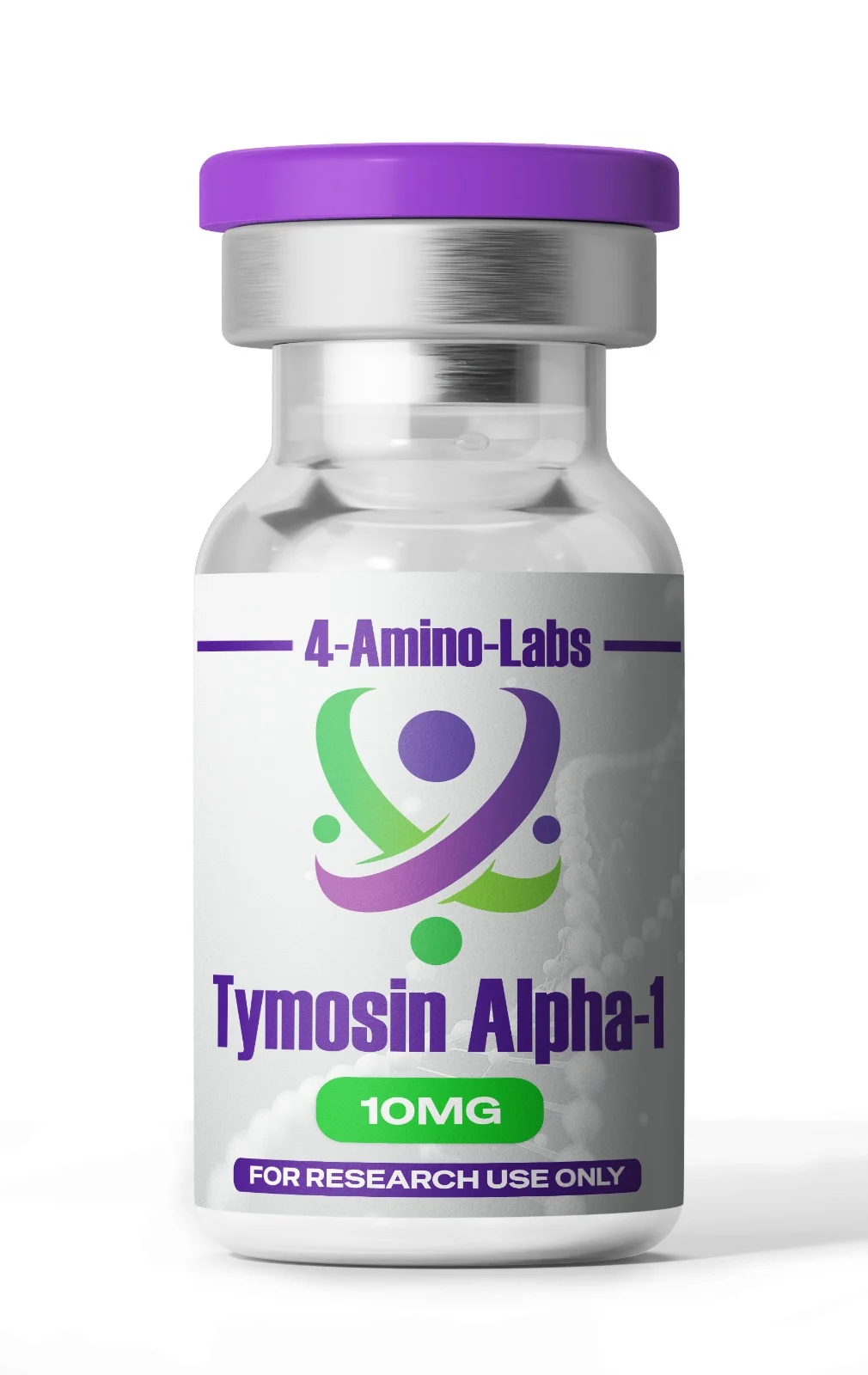
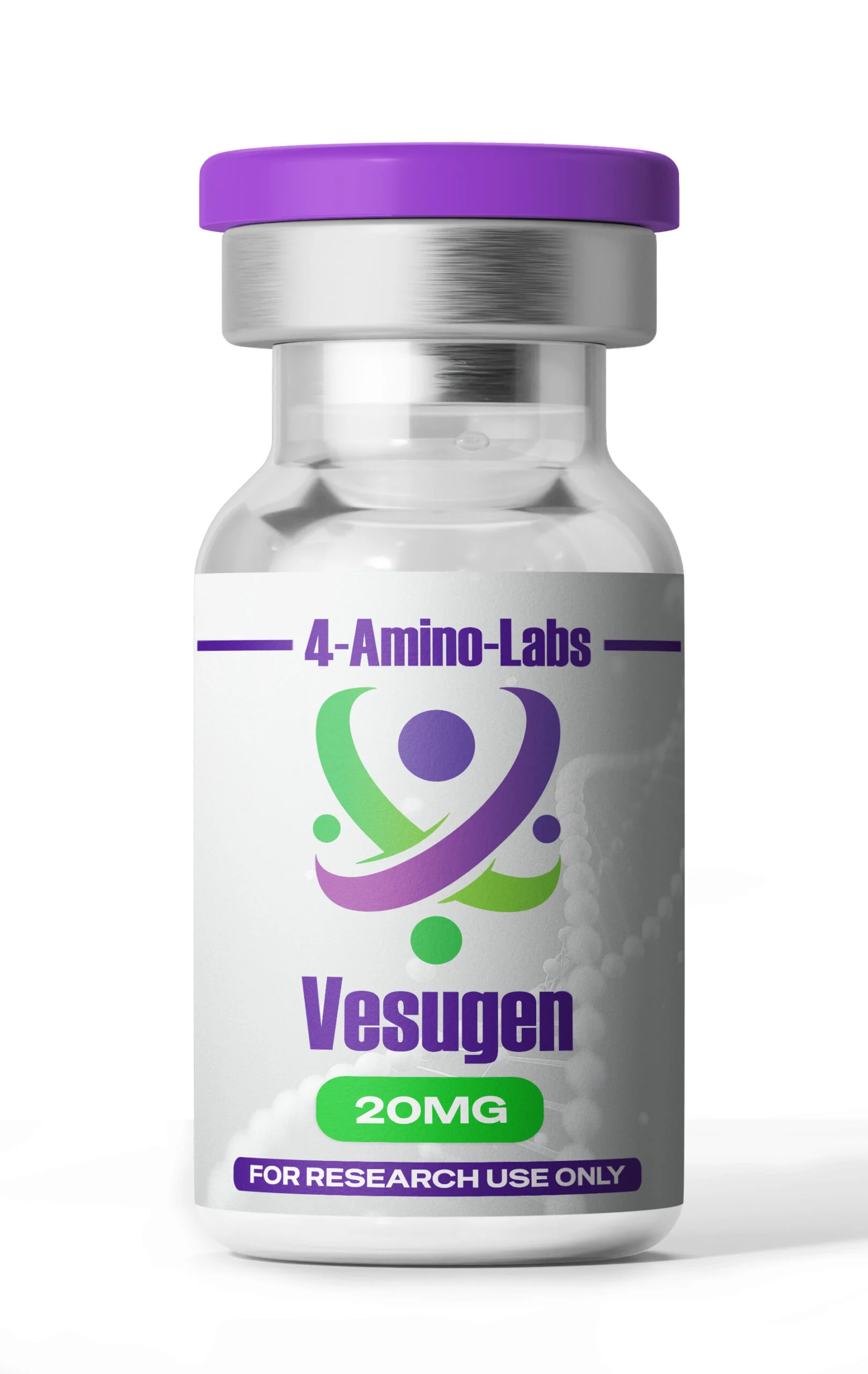
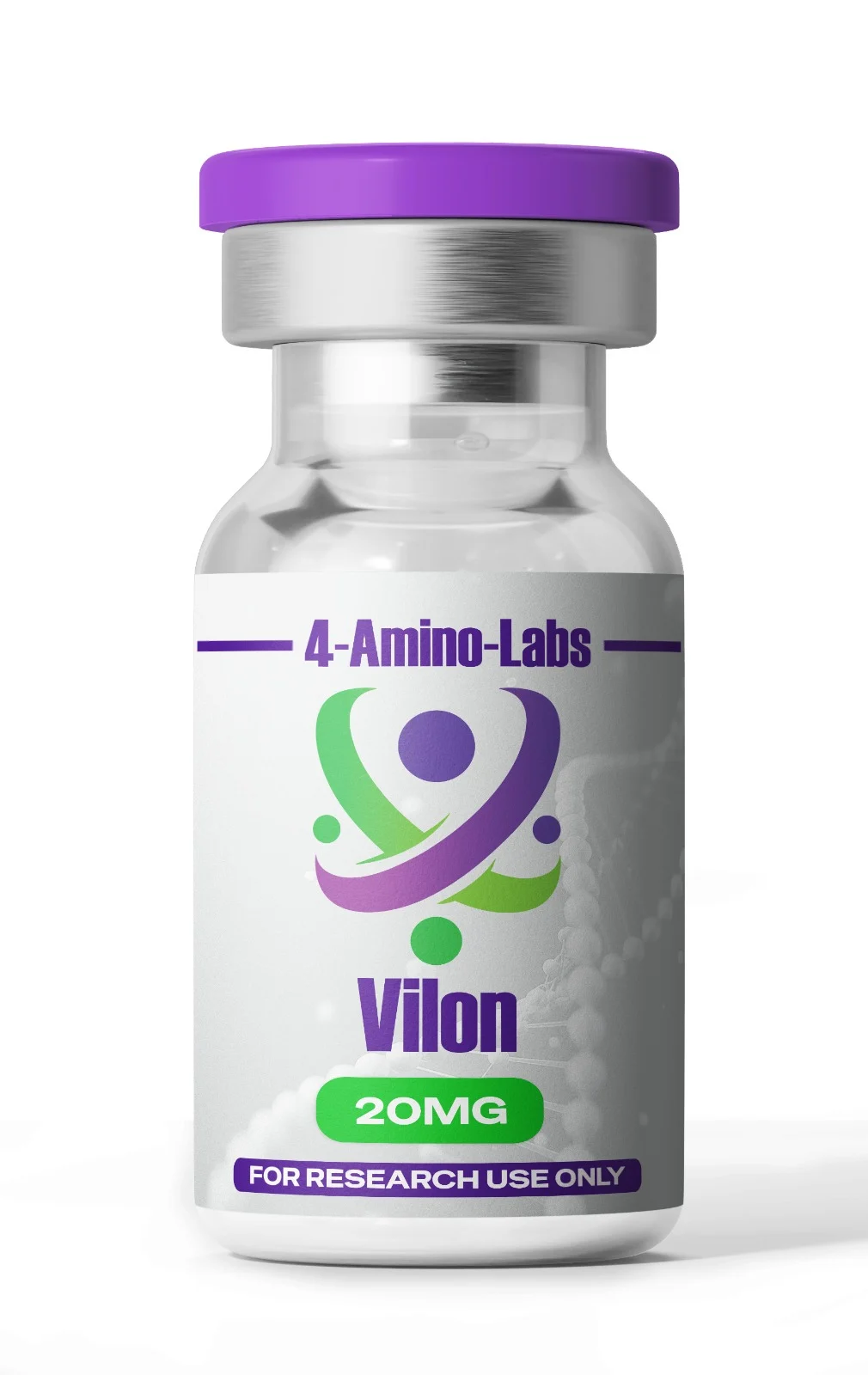
Research peptides are short chains of amino acids (short-chain amino acids) linked by peptide bonds, studied for how they bind specific receptors and influence signaling in laboratory models. 4-Amino-Labs supplies research-grade peptides including BPC-157, TB-500, GHK-Cu, ipamorelin, sermorelin, tesamorelin, MOTS-c, Epithalon and the GLP series as lyophilized (freeze-dried) powders in sealed vials, with batch documentation published in our Certificates of Analysis library. All products in this category are sold strictly for laboratory research and analytical use.
Research peptides by area of study
- Metabolic and incretin research: the GLP series, GLP-1 SE, GLP-2 TZ, GLP-3 RE and GLP-4 CAG, plus AOD-9604 and MOTS-c.
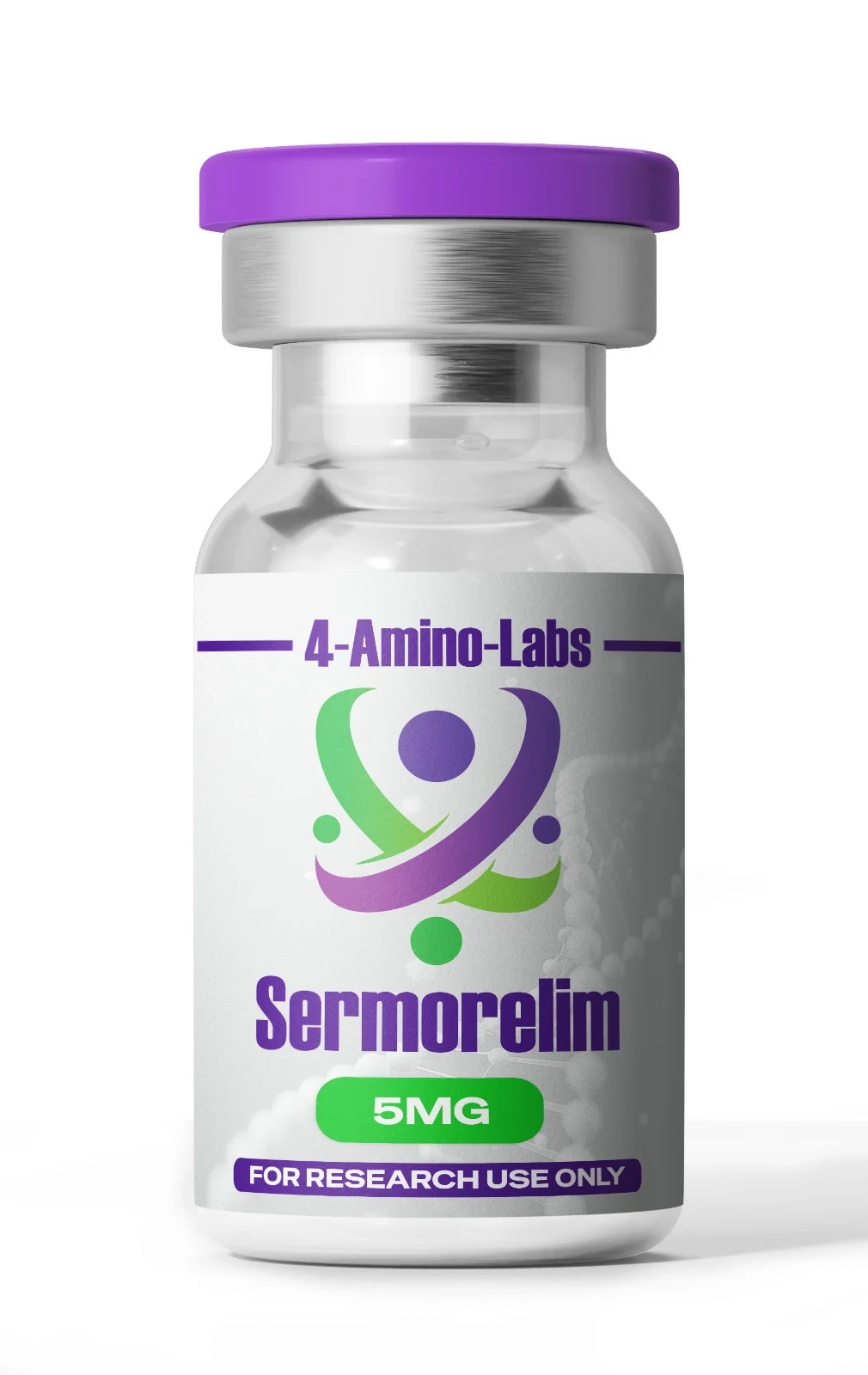
- Growth hormone axis: the GHRH analogs sermorelin and tesamorelin, the ghrelin receptor agonist ipamorelin, and IGF-1 LR3.
- Tissue and repair models: BPC-157, TB-500, the BPC-157 / TB-500 blend, GHK-Cu and KPV.
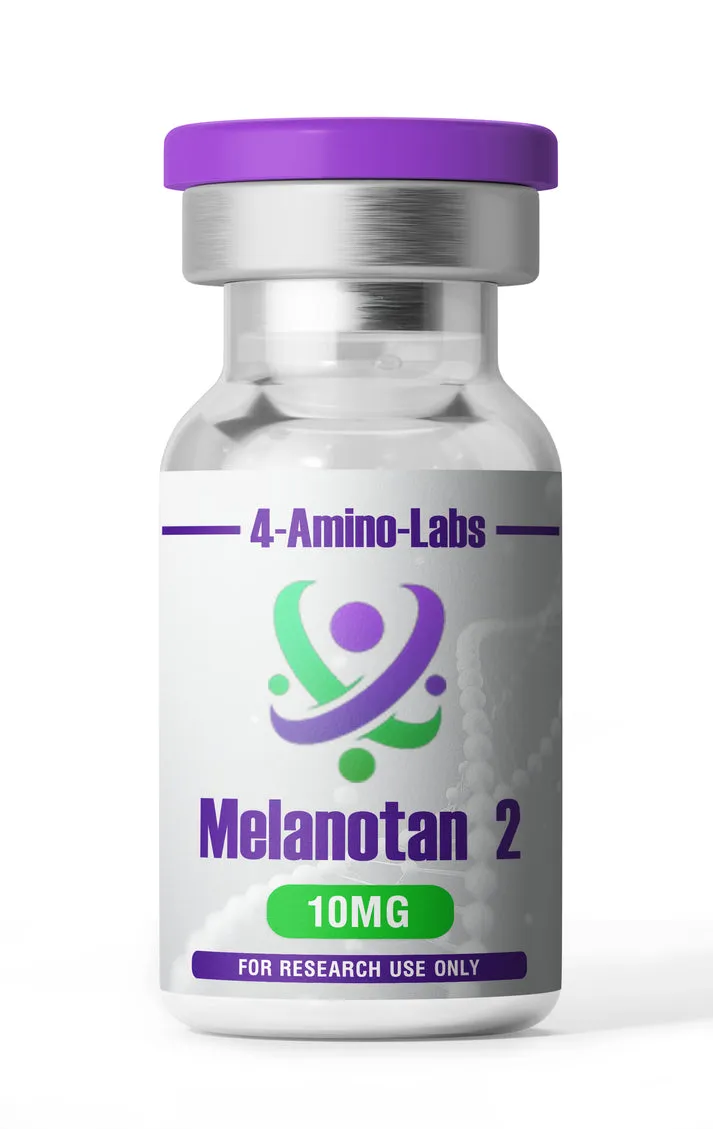
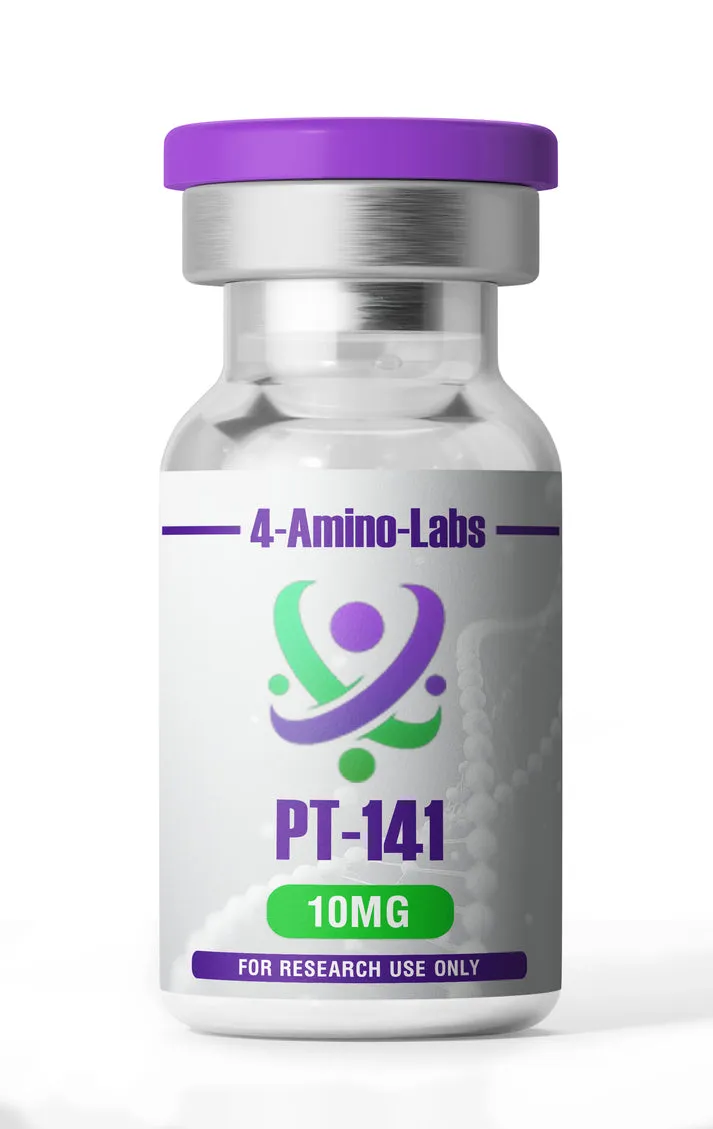
- Melanocortin receptors: Melanotan II (MT2) and PT-141.
- Reproductive axis: kisspeptin, HCG and oxytocin.
- Neuropeptides: Selank and Semax.
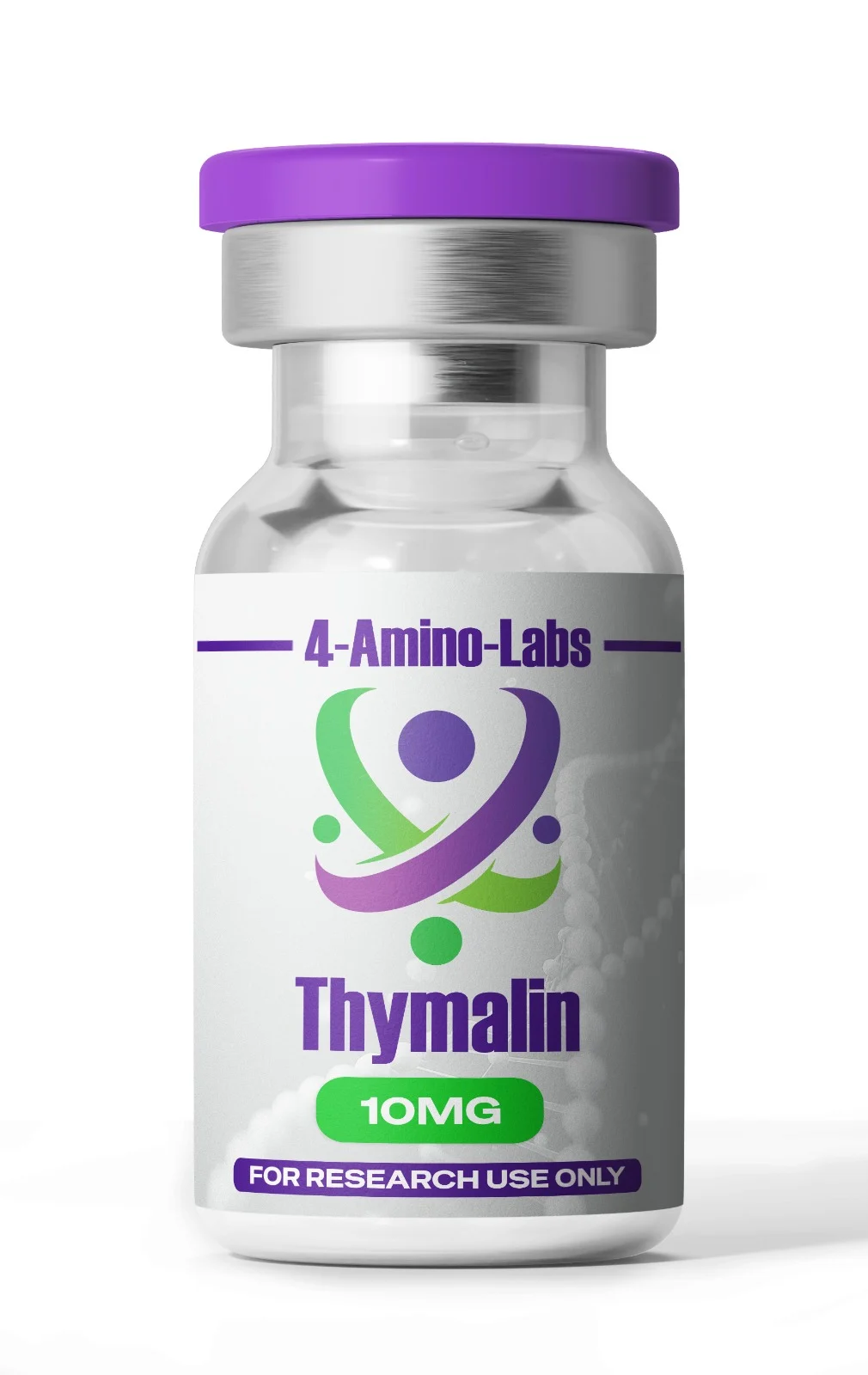
- Immune and longevity research: thymosin alpha-1, Epithalon, humanin, and the short peptide bioregulators.
Lyophilized research peptides: storage and reconstitution
Lyophilized peptides are more stable as dry powder than in solution. Unopened vials are typically stored cold and protected from light and moisture; once reconstituted, stability drops and depends on the sequence, solvent and storage temperature. Each product page lists compound-specific conditions in its Laboratory Handling & Stability section. Reconstitution solvents such as bacteriostatic water and 0.6% acetic acid are available under laboratory supplies. For a step-by-step walkthrough, see our peptide reconstitution workflow.
Reading peptide purity and identity data
HPLC area purity describes how much of the detected signal comes from the main peak under the lab’s stated method. It does not on its own confirm that the peptide has the correct sequence. Identity is usually confirmed by mass spectrometry, which compares the observed molecular mass with the expected value. Peptide content (how much of the vial’s mass is peptide rather than counter-ions and moisture) is a separate measurement again. When you review a report, check which of these were tested and that the lot matches your vial.
For more background, see the peptide articles in our Research Library, including sourcing and documenting research peptides and SARMs vs peptides.
Research peptides FAQ
What are research peptides?
Research peptides are synthetic chains of amino acids, usually 2 to 50 residues long, supplied for laboratory study of receptor binding, signaling and metabolism. They are not drugs or supplements.
Which peptides does 4-Amino-Labs carry?
The catalog includes BPC-157, TB-500, GHK-Cu, KPV, ipamorelin, sermorelin, tesamorelin, IGF-1 LR3, MOTS-c, Epithalon, thymosin alpha-1, Selank, Semax, kisspeptin, PT-141, Melanotan II, the GLP series and a range of peptide bioregulators. Each product page lists the amount per vial.
What is the difference between peptides and SARMs?
Peptides are chains of amino acids, while SARMs are non-peptide small molecules that bind the androgen receptor. They are studied with different methods and handled differently in the lab. See our SARMs category for comparison.
Are short-chain amino acids the same as peptides?
Yes. A peptide is a short chain of amino acids. This category groups the research peptides 4-Amino-Labs supplies, from dipeptides up to longer sequences such as IGF-1 LR3.
Why are these peptides supplied lyophilized?
Freeze-drying removes water, which slows degradation and makes the material more stable in storage and shipping than a pre-mixed solution.
Does HPLC purity confirm a peptide’s identity?
No. HPLC describes the chromatographic profile. Identity requires additional evidence, typically mass spectrometry.
Can research peptides be ordered online in the USA?
Yes. Qualified laboratories and research professionals can order research peptides online from 4-Amino-Labs for research use only, with orders shipping from within the United States.
Are there restrictions on how these compounds may be used?
Yes. All products in this category are sold strictly for laboratory research and analytical purposes. They are not drugs, supplements or food products, are not for human or veterinary use, and are not intended to diagnose, treat, cure or prevent any condition.