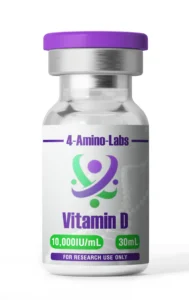
Amino acid blends and related solutions are standardized liquid formulations used as defined inputs in biochemical and metabolic research. This category includes single amino acids and derivatives, multi-component blends, vitamin solutions and cofactors such as NAD+. 4-Amino-Labs supplies them in sealed multi-dose vials, most at 30 mL, with batch documentation published in our Certificates of Analysis library. All products are sold strictly for laboratory research and analytical use.
What’s in this category
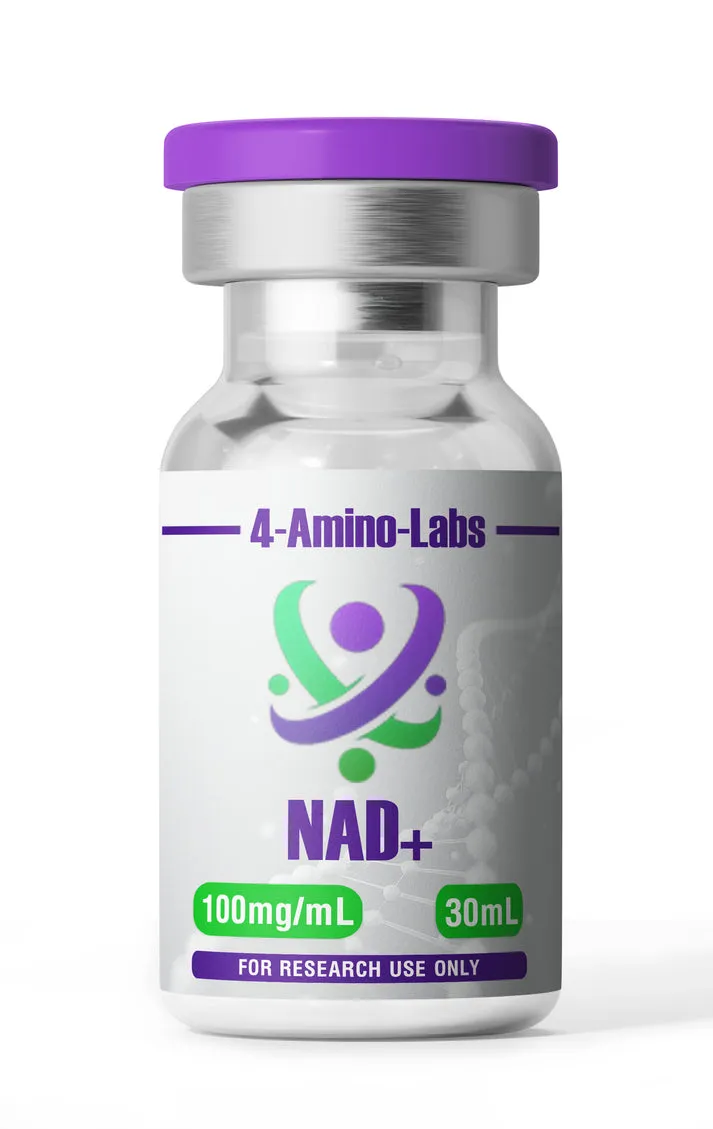
- Cofactors and antioxidants: NAD+ 100 mg/mL and glutathione 200 mg/mL, studied in cellular energy metabolism and redox research.
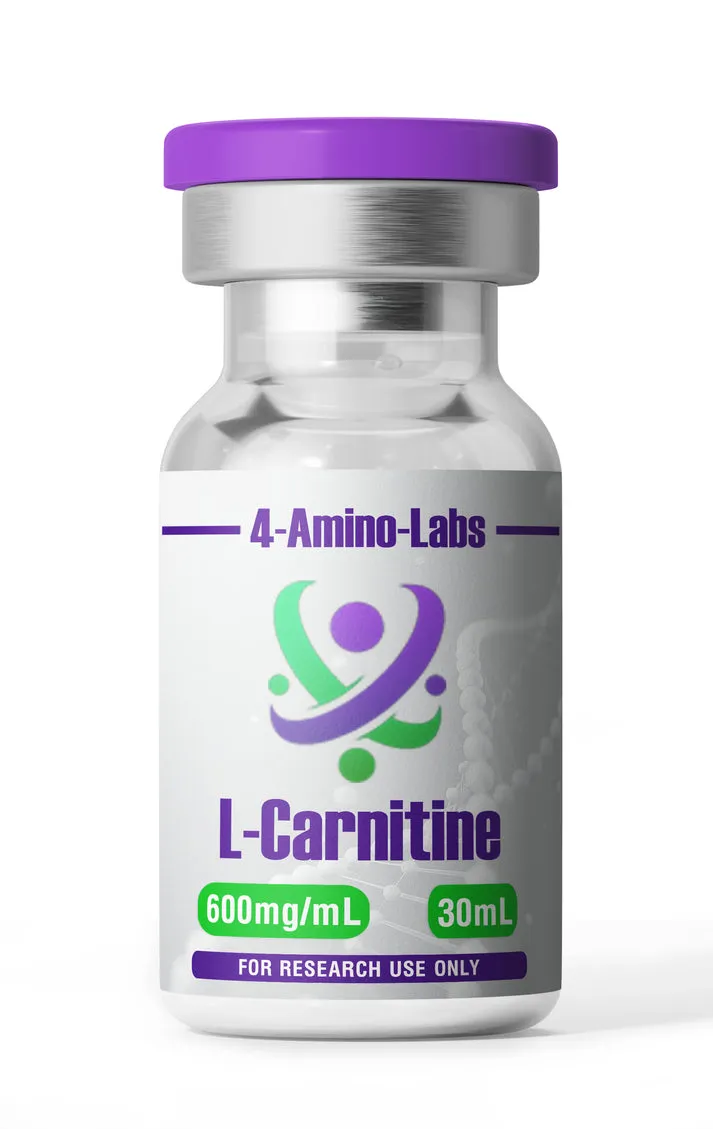
- Amino acids and derivatives: L-carnitine 600 mg/mL (fatty acid transport) and L-carnosine 200 mg/mL (a histidine-containing dipeptide).
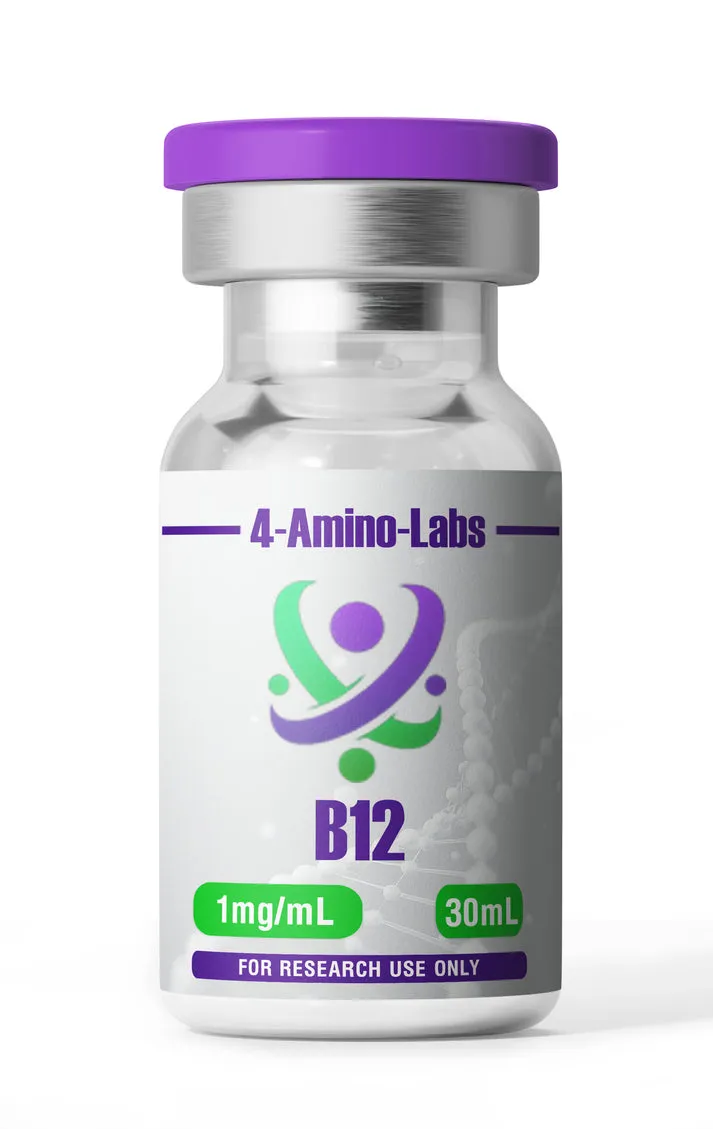
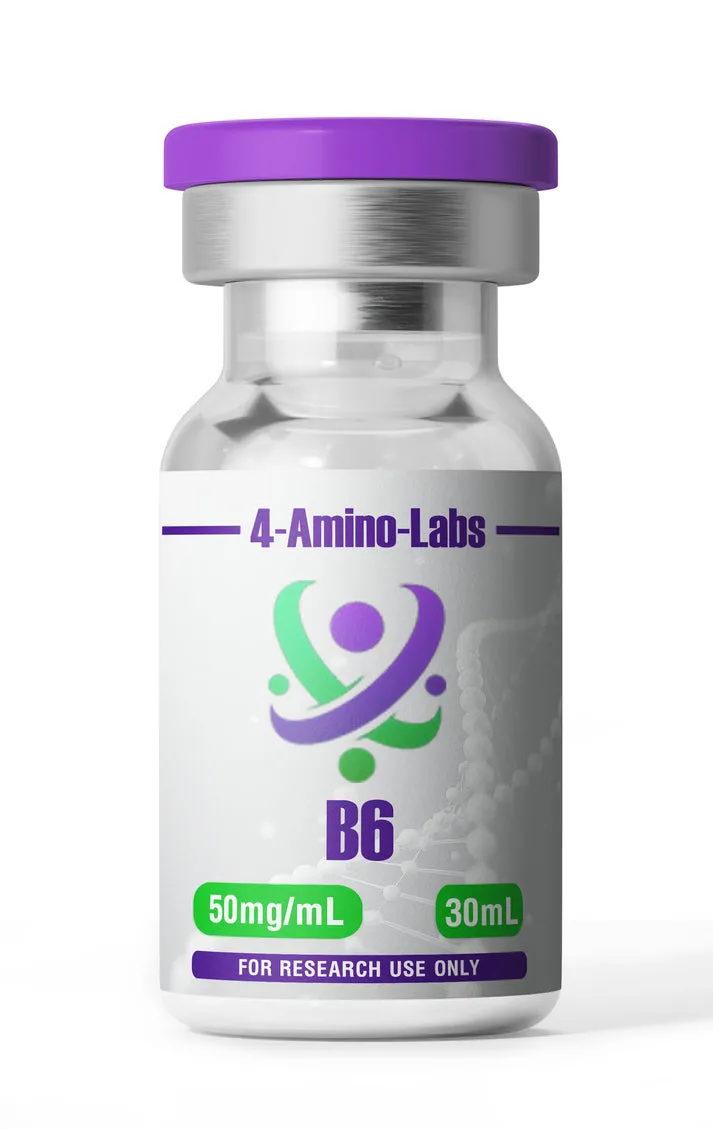
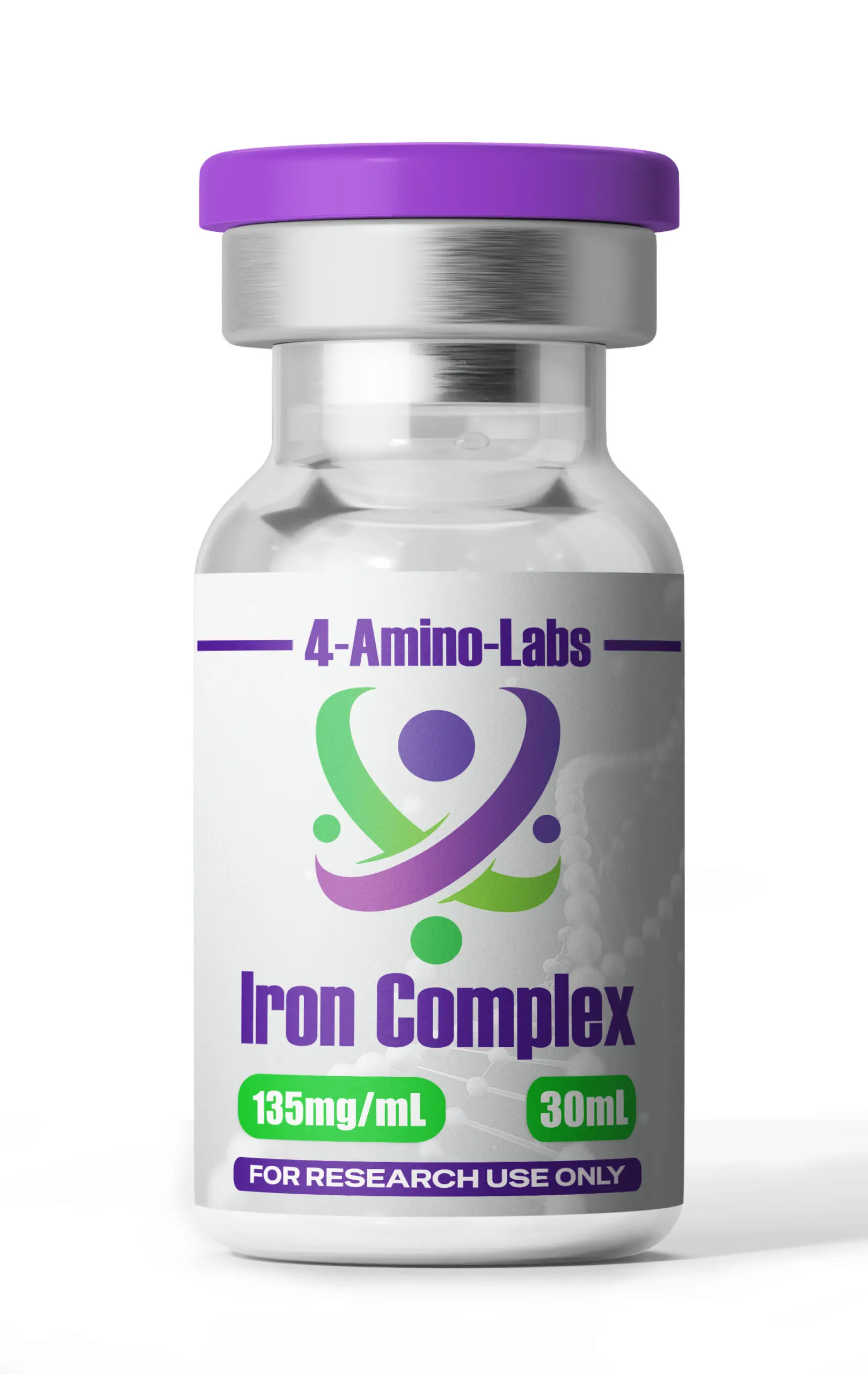
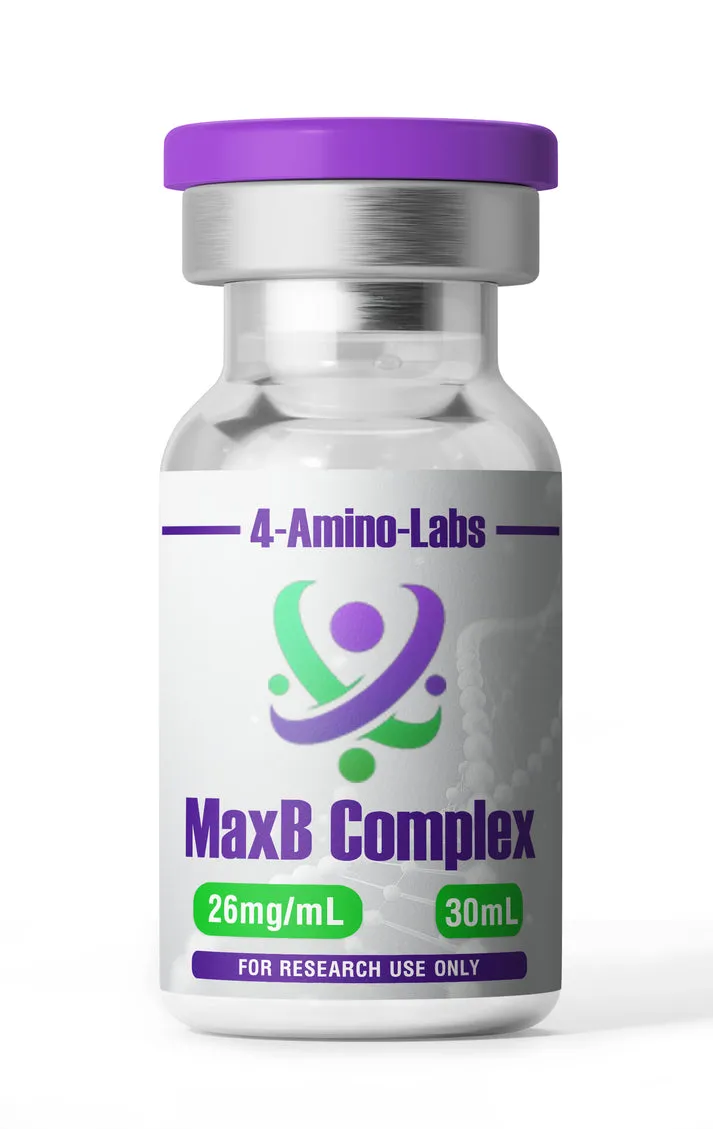
- Vitamin solutions: B12 (methylcobalamin) 1 mg/mL, B6 50 mg/mL, MaxB complex, vitamin D3 10,000 IU/mL and iron complex.
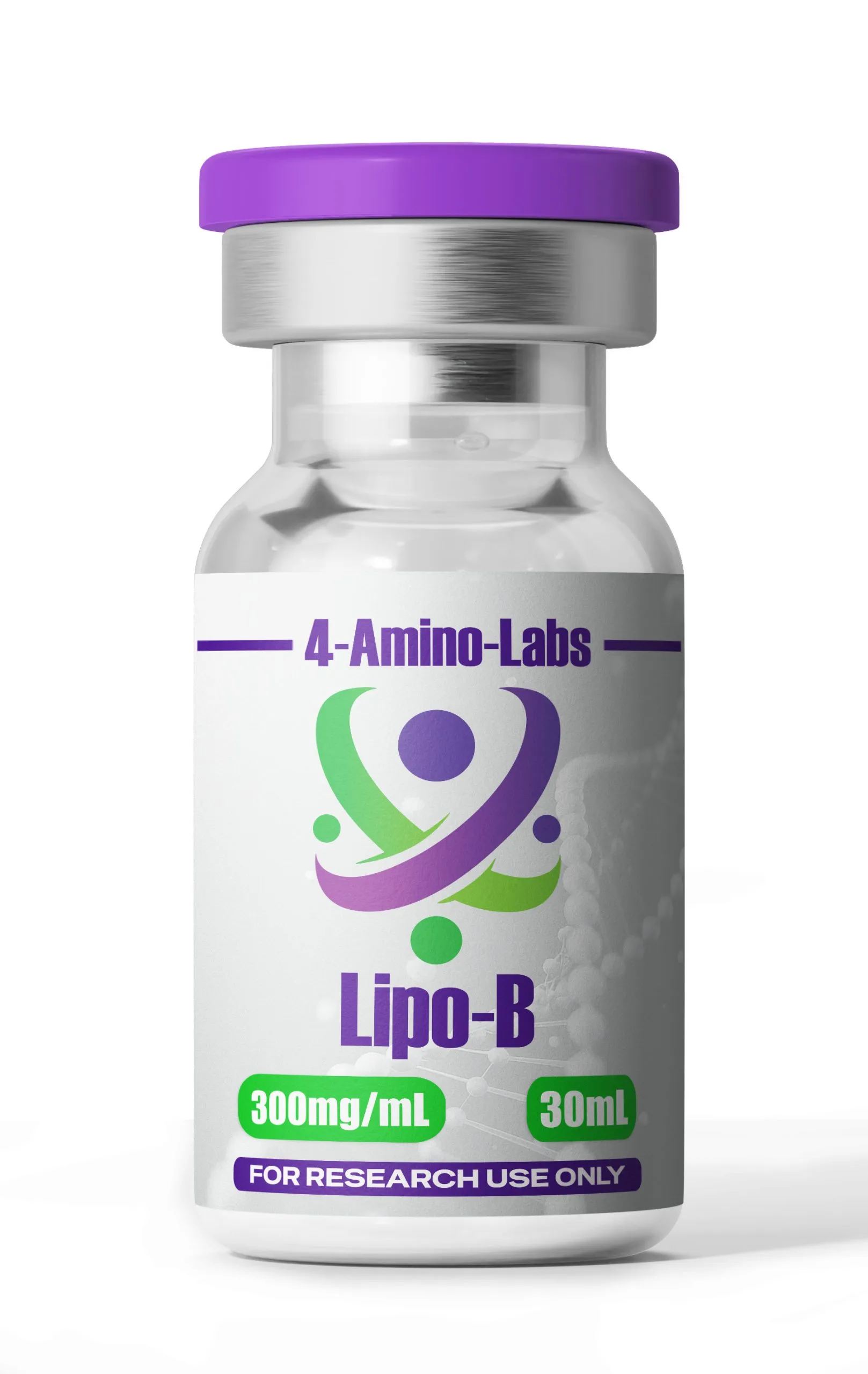
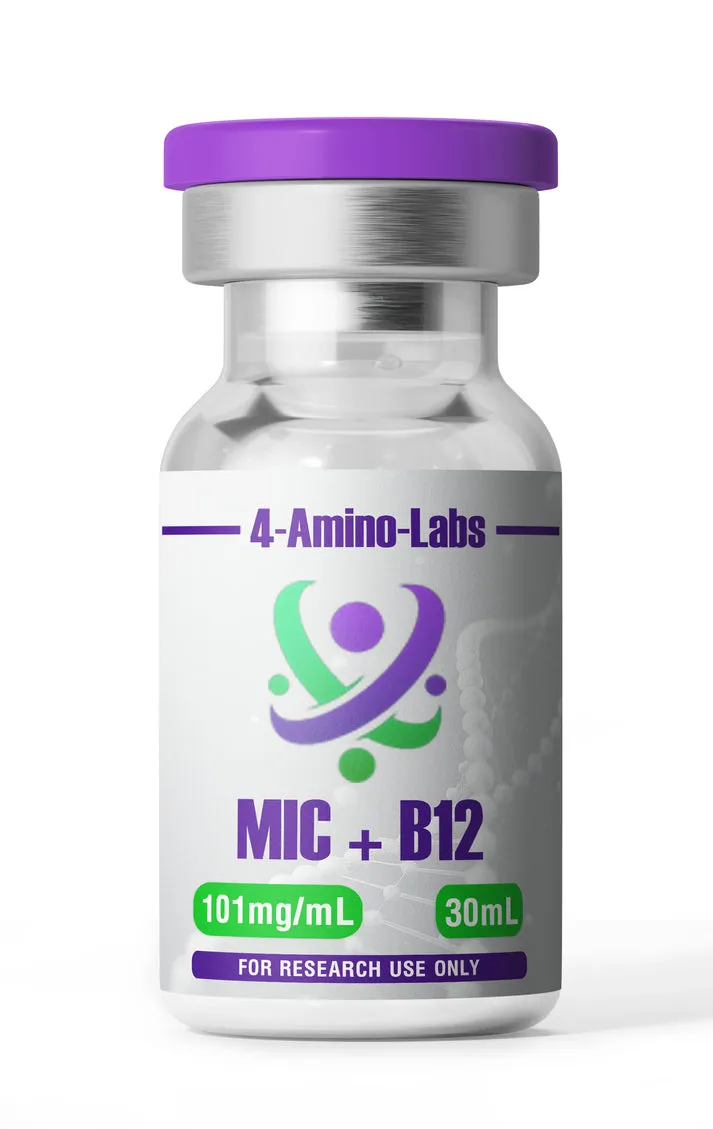
- Lipotropic formulations: MIC + B12 (methionine, inositol and choline) and Lipo-B.
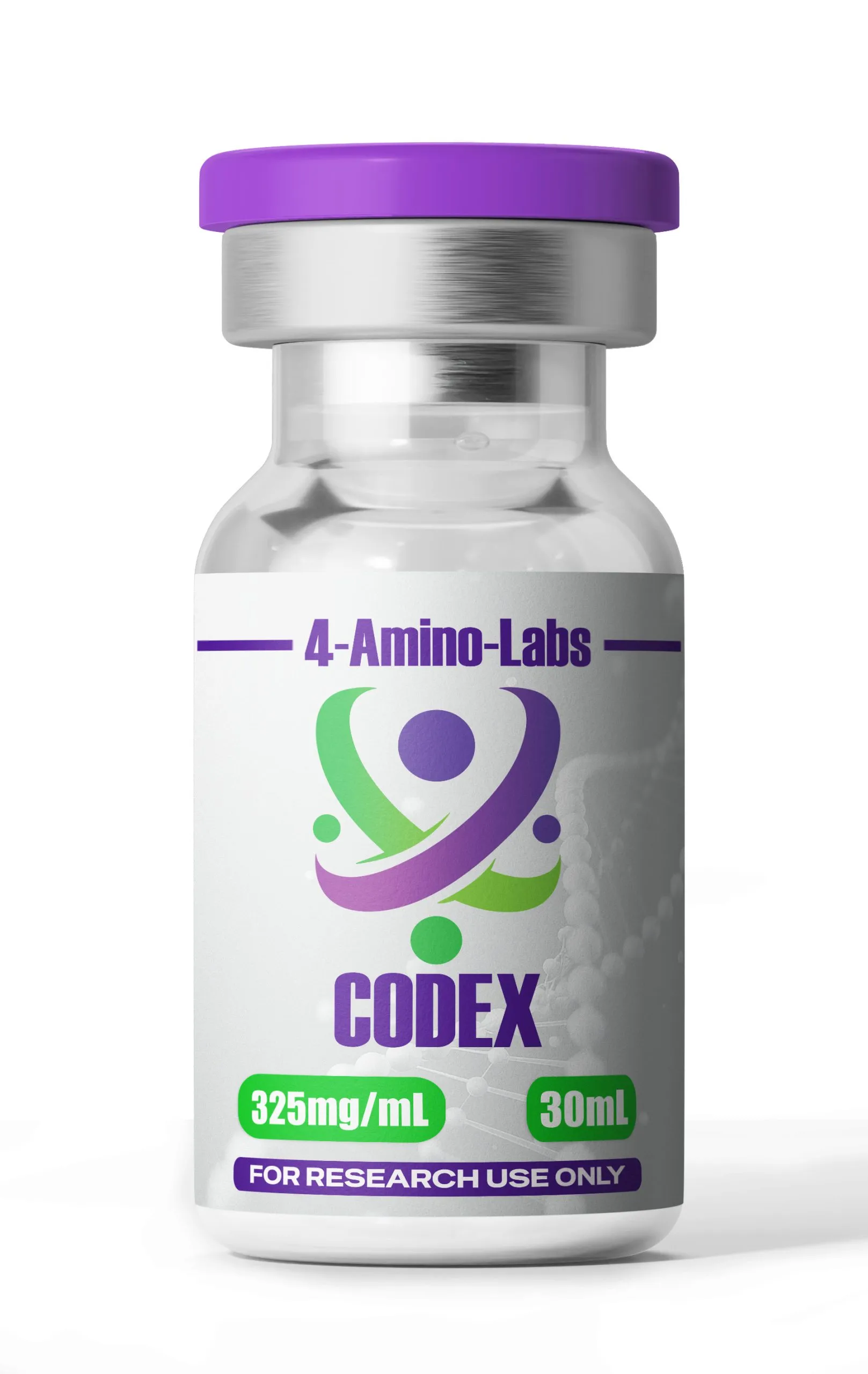
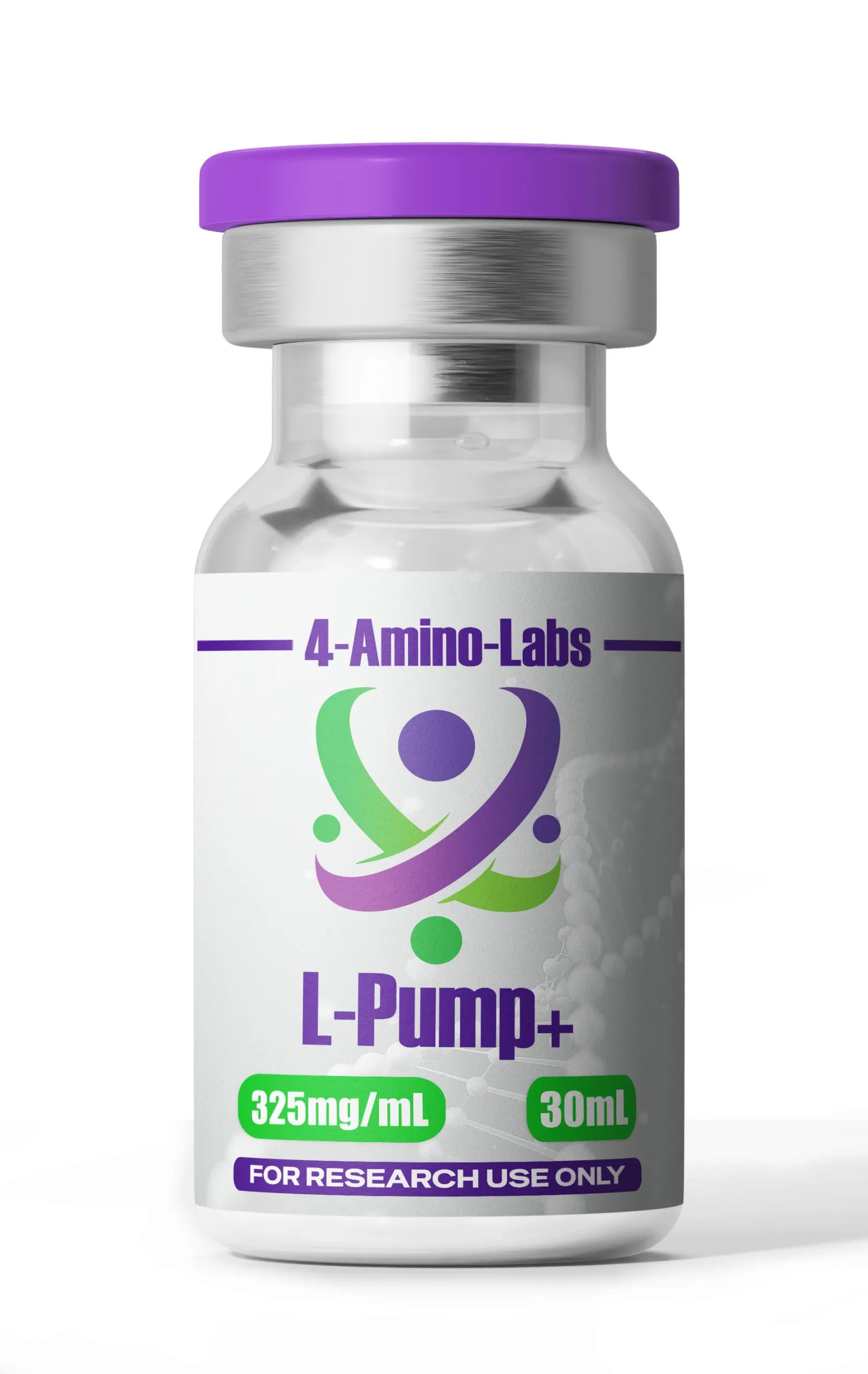
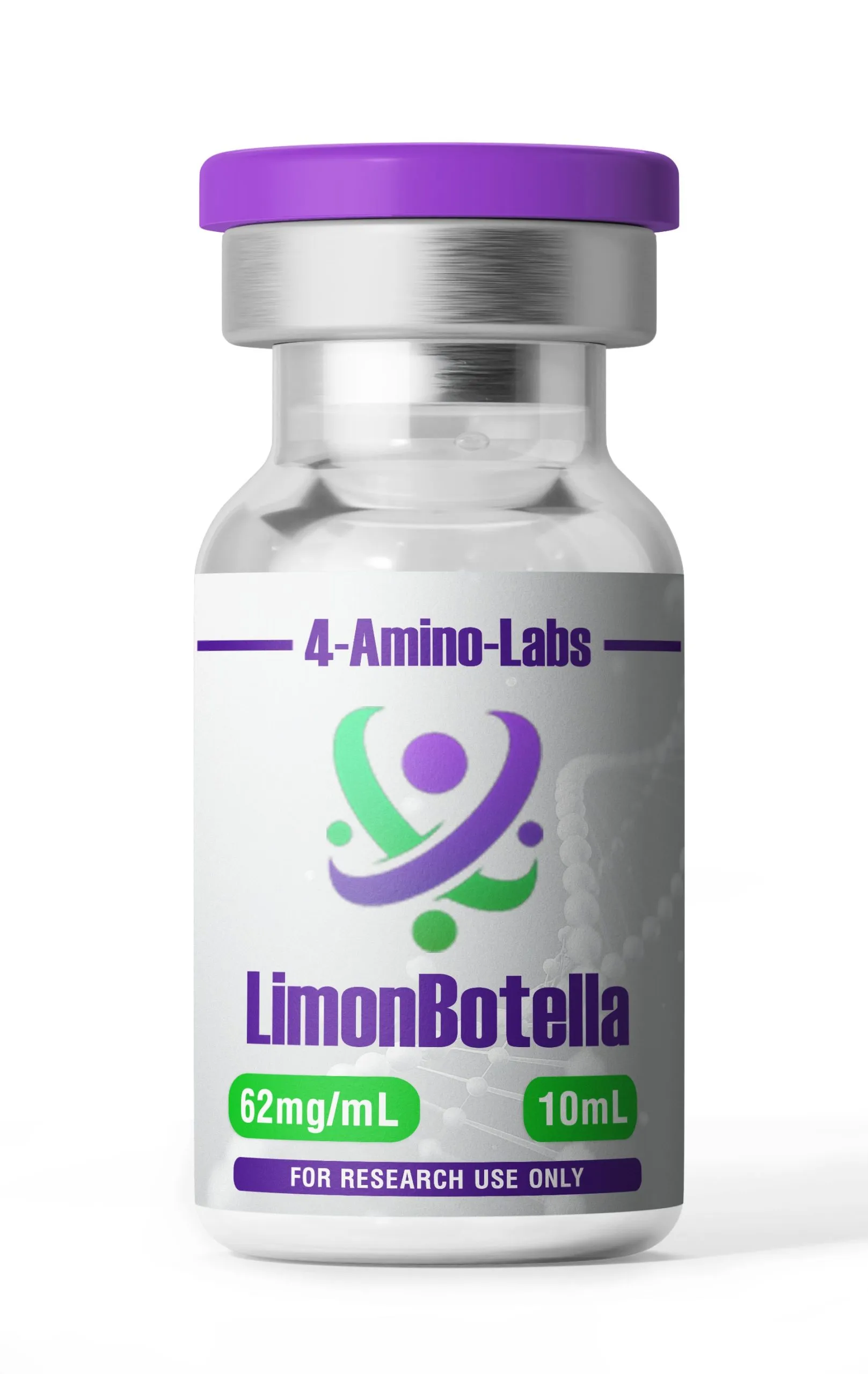
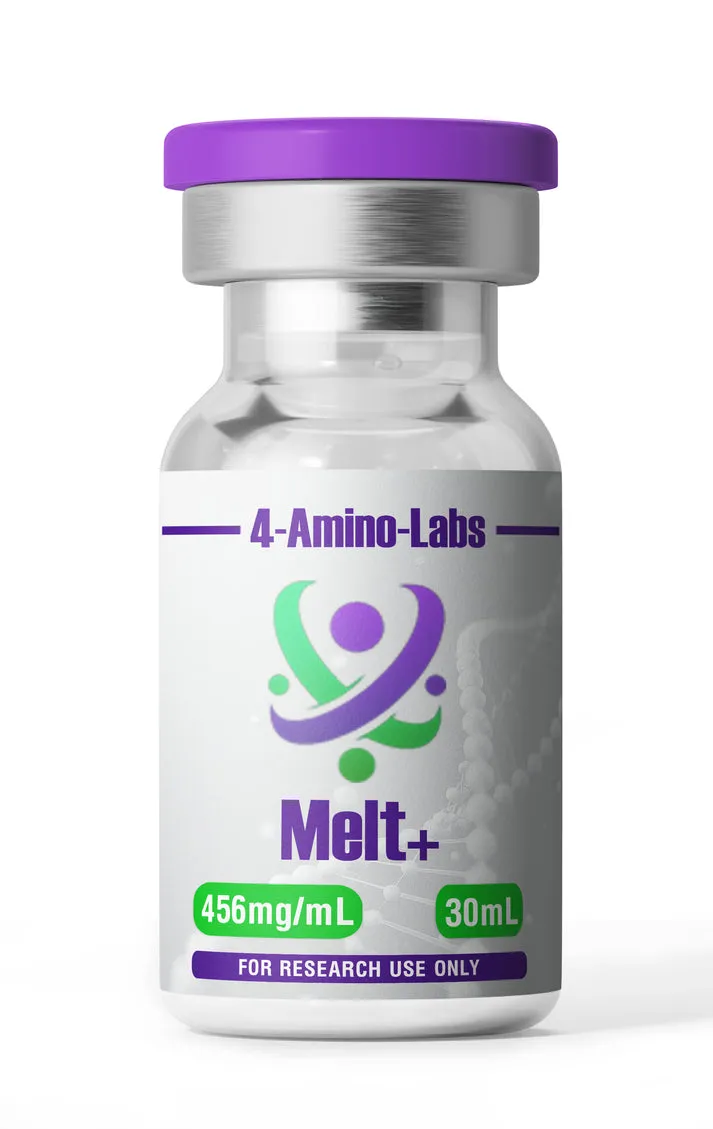
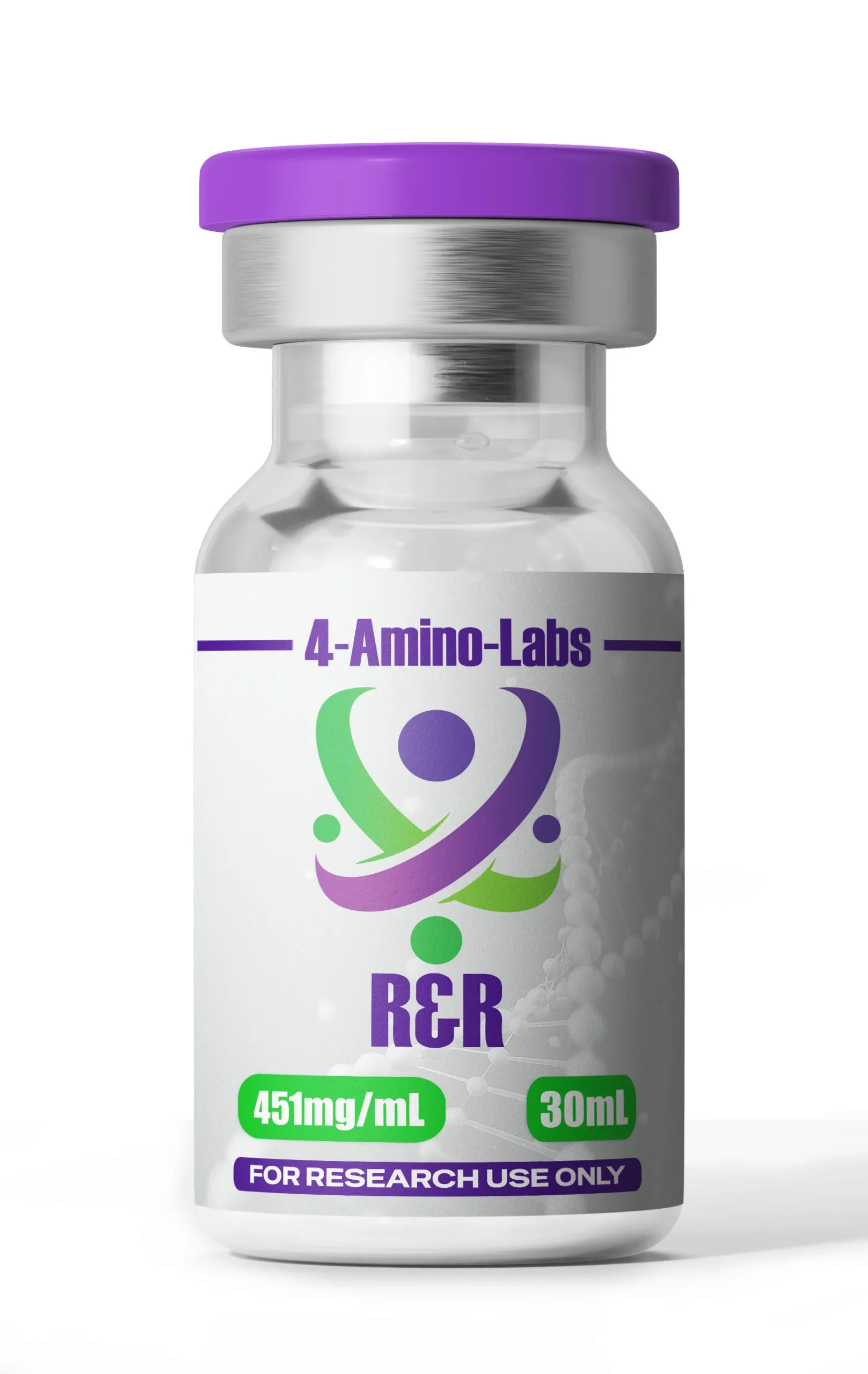
- Multi-component blends: CODEX, L-Pump+, M.E.L.T, M.E.L.T+, R&R and LimonBotella. The full composition of each blend is listed on its product page.
Why standardized blends matter
A blend gives every run of an experiment the same composition and concentration, which removes a source of variation compared with mixing components in-house. The trade-off is that you rely on the supplier’s stated formulation, so it matters that each component and its concentration are documented and that the report matches your lot.
Quality checks for liquid formulations
- Concentration: confirm the stated mg/mL or IU/mL against the analytical report.
- Identity of each component: blends need evidence for every listed ingredient, not just the main one.
- Preservative system: multi-dose vials usually contain a preservative such as benzyl alcohol; check that it is compatible with your assay.
- Storage: light- and heat-sensitive components such as B12, NAD+ and glutathione degrade faster outside the recommended conditions listed on each product page.
For more background, see the amino acid and NAD+ articles in our Research Library.
Frequently asked questions
What are amino acid blends used for in research?
They provide a standardized source of amino acids and cofactors for biochemical, metabolic and formulation research, so that the chemical environment stays consistent across experiments.
Is NAD+ an amino acid?
No. NAD+ (nicotinamide adenine dinucleotide) is a coenzyme involved in cellular energy metabolism. It is grouped here with other metabolic research solutions.
Can amino acid blends be ordered online in the USA?
Yes. Qualified laboratories and research professionals can order these formulations online from 4-Amino-Labs for research use only, with orders shipping from within the United States.
Are there restrictions on how these products may be used?
Yes. All products in this category are sold strictly for laboratory research and analytical purposes. They are not drugs, supplements or food products, are not for human or veterinary use, and are not intended to diagnose, treat, cure or prevent any condition.