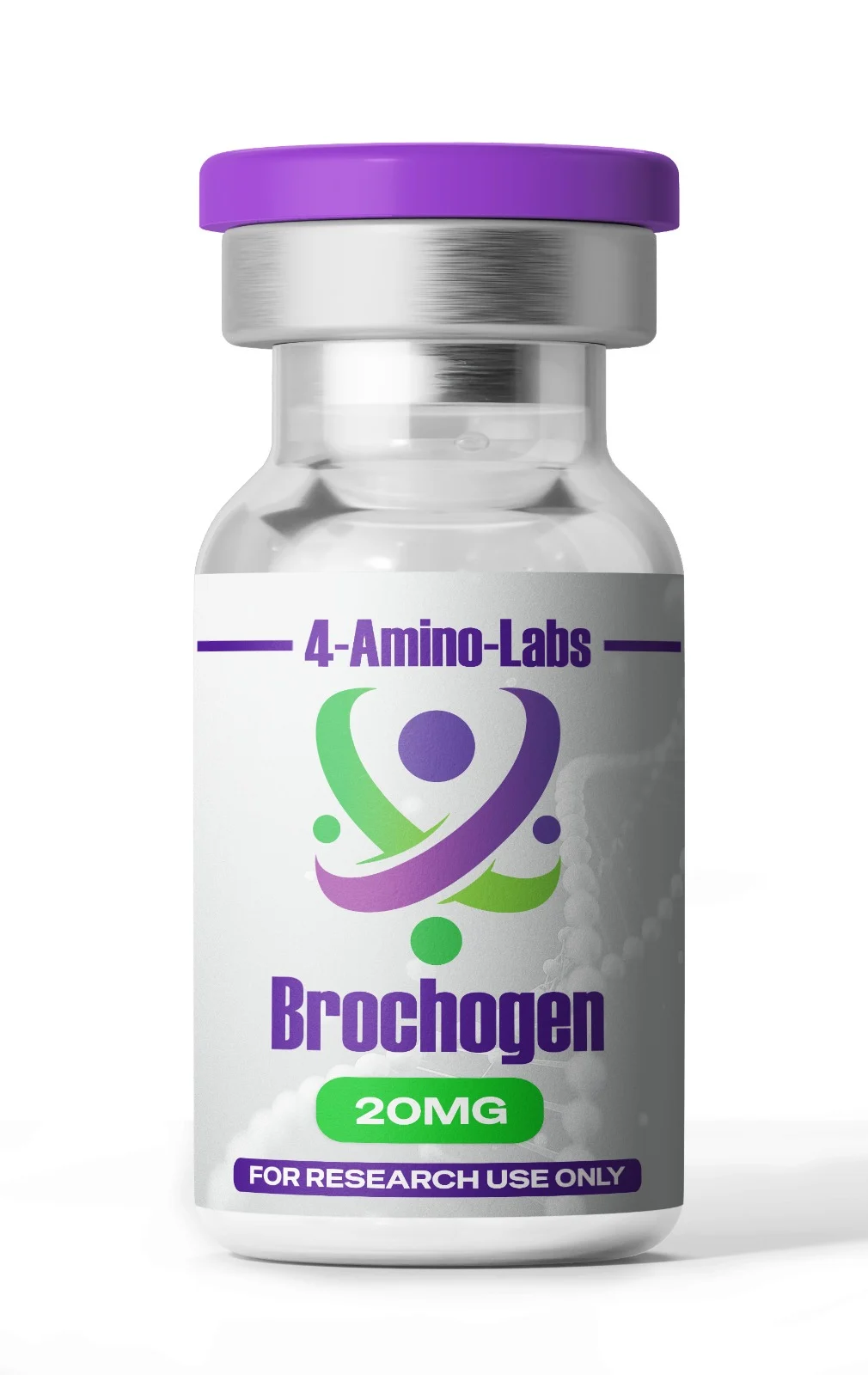
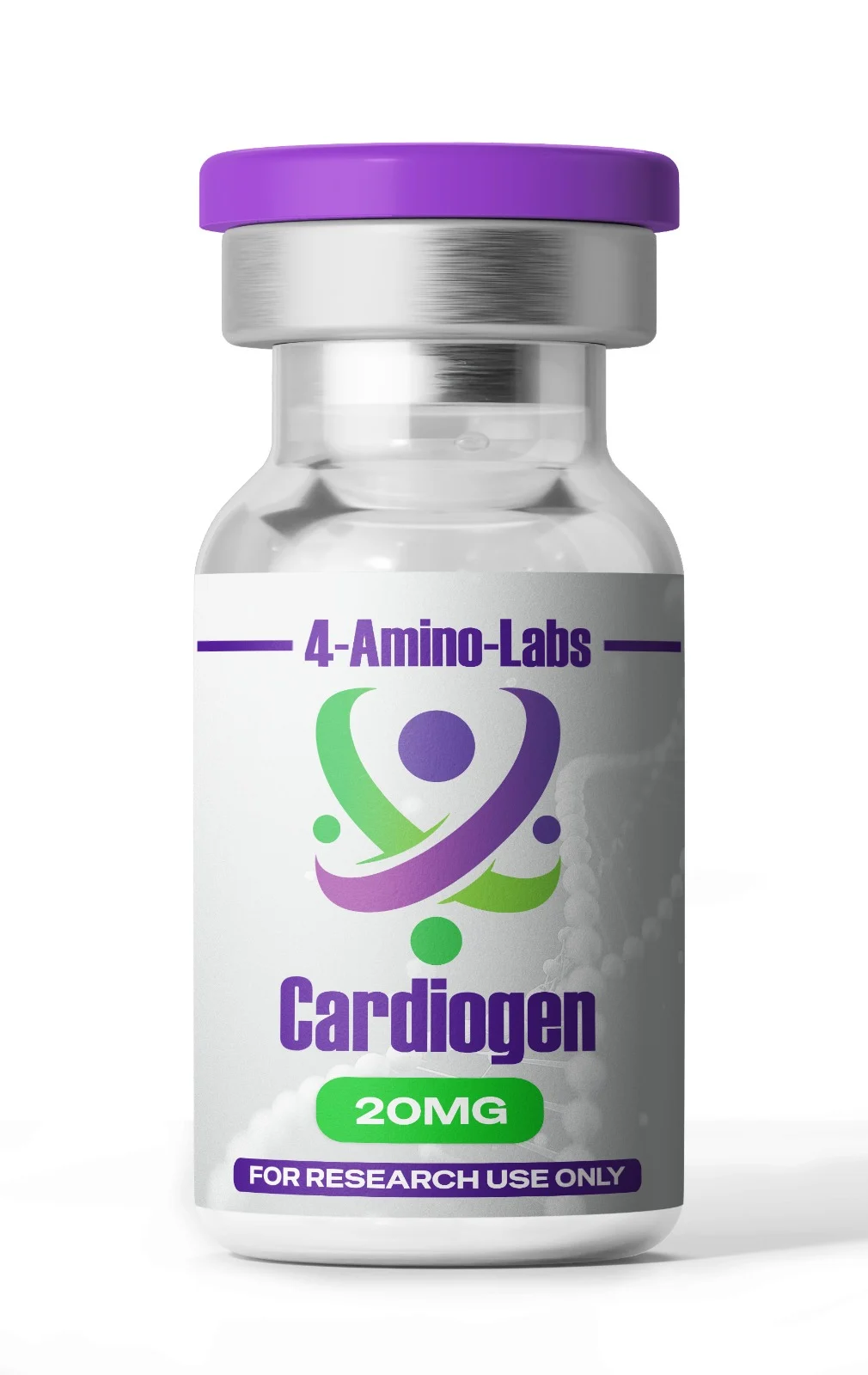
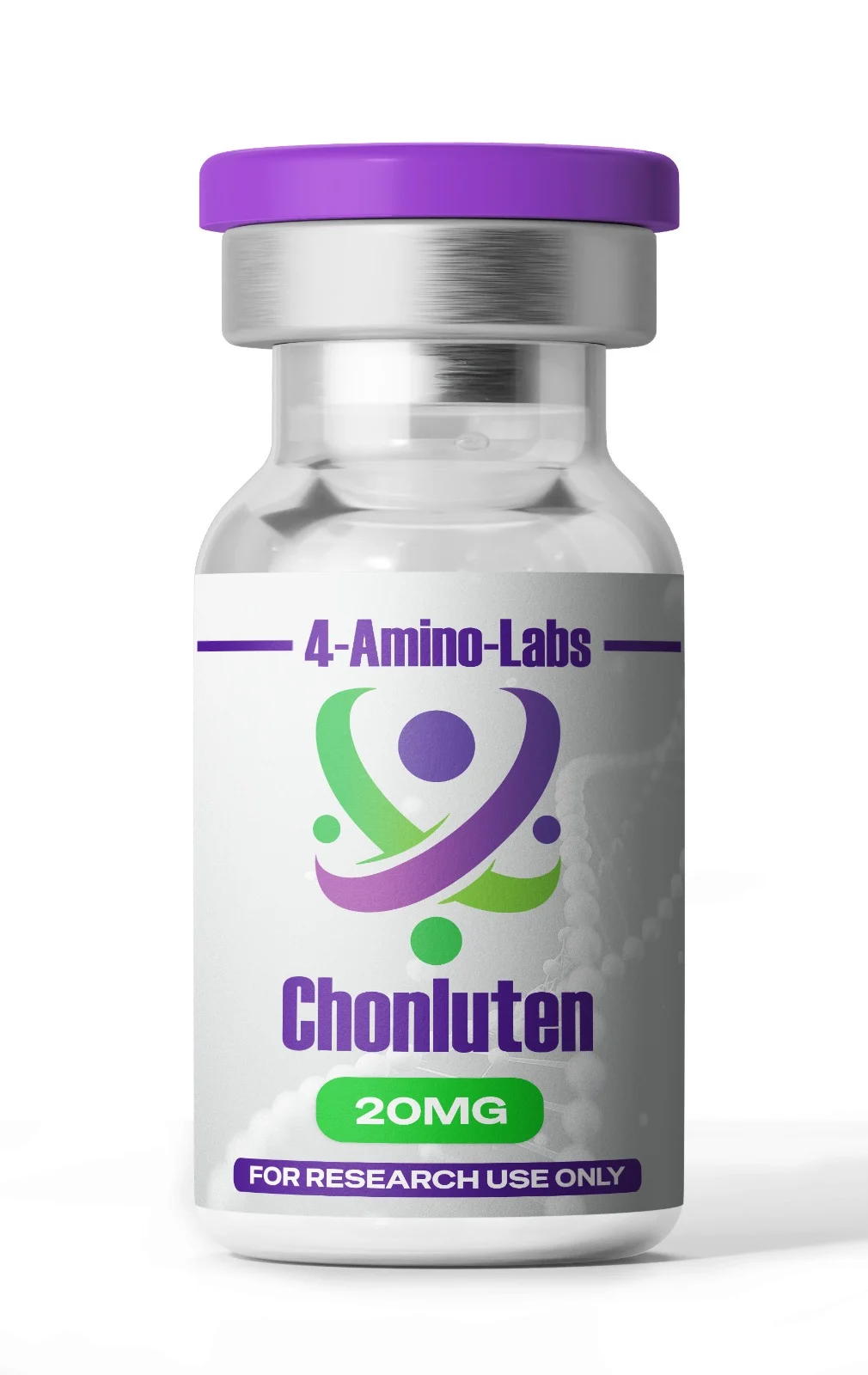
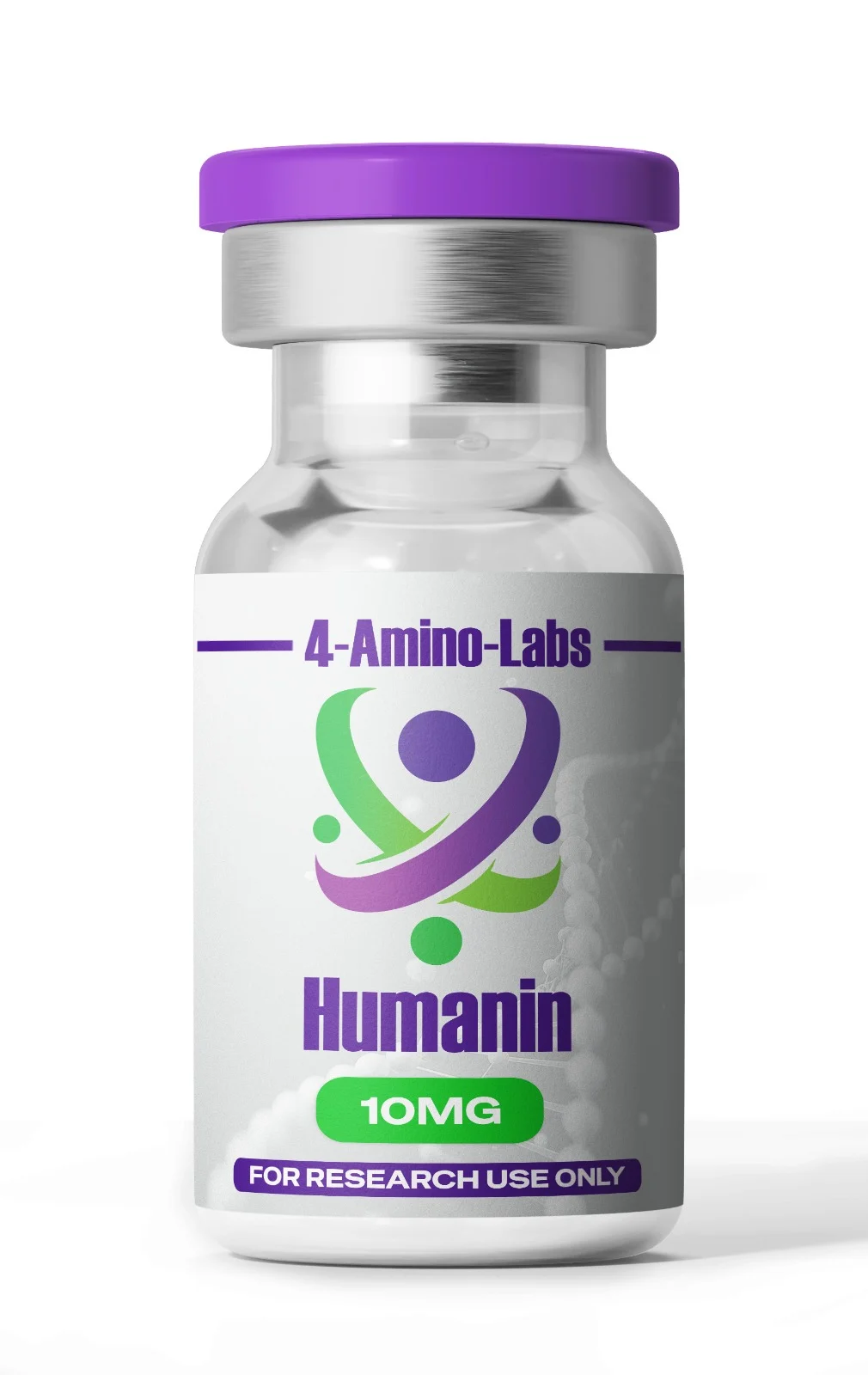
Peptide bioregulators are very short synthetic peptides, most of them two to four amino acids long, studied for their effects on gene expression and protein synthesis in specific tissues. Much of the published work comes from the Khavinson research group, which characterized these sequences in cell culture and animal models. 4-Amino-Labs supplies them as lyophilized powders with batch documentation published in our Certificates of Analysis library. All products are sold strictly for laboratory research and analytical use.
Bioregulators by tissue of study
Each bioregulator is named for the tissue it is studied in:
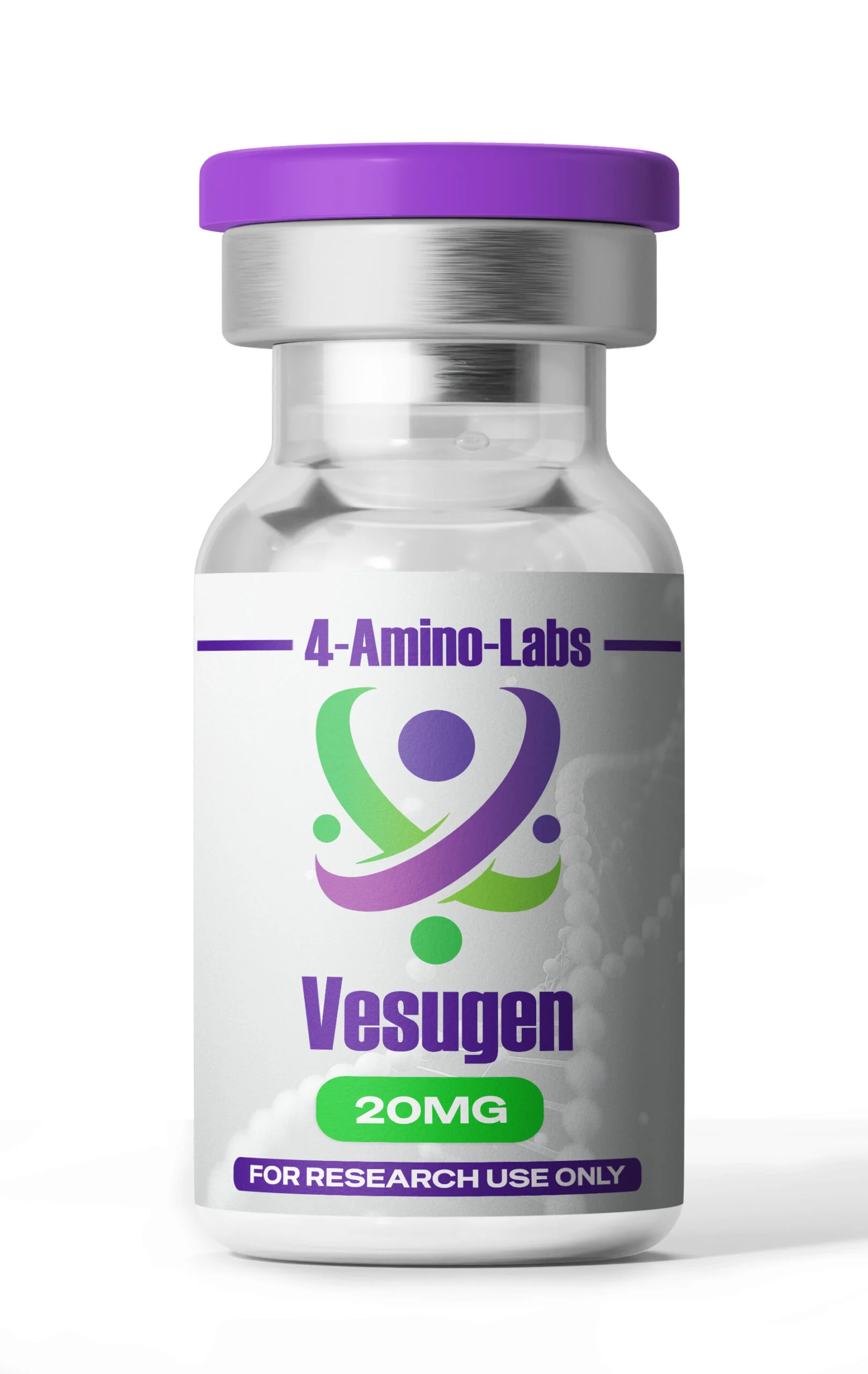
- Cardiovascular: Cardiogen (heart) and Vesugen (blood vessels).
- Respiratory: Bronchogen (bronchial tissue).
- Liver and digestive: Livagen (liver) and Chonluten (gastric and respiratory mucosa).
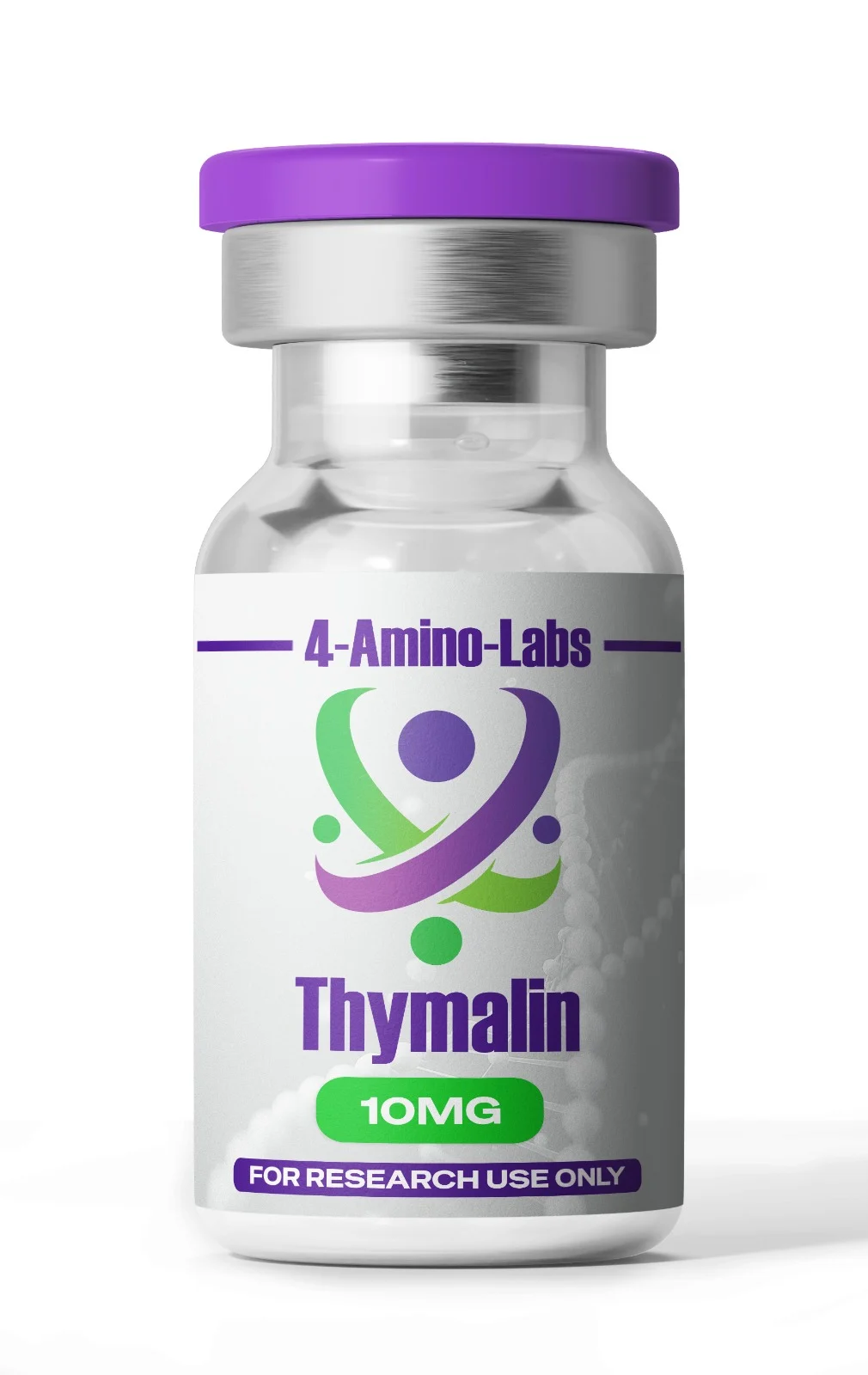
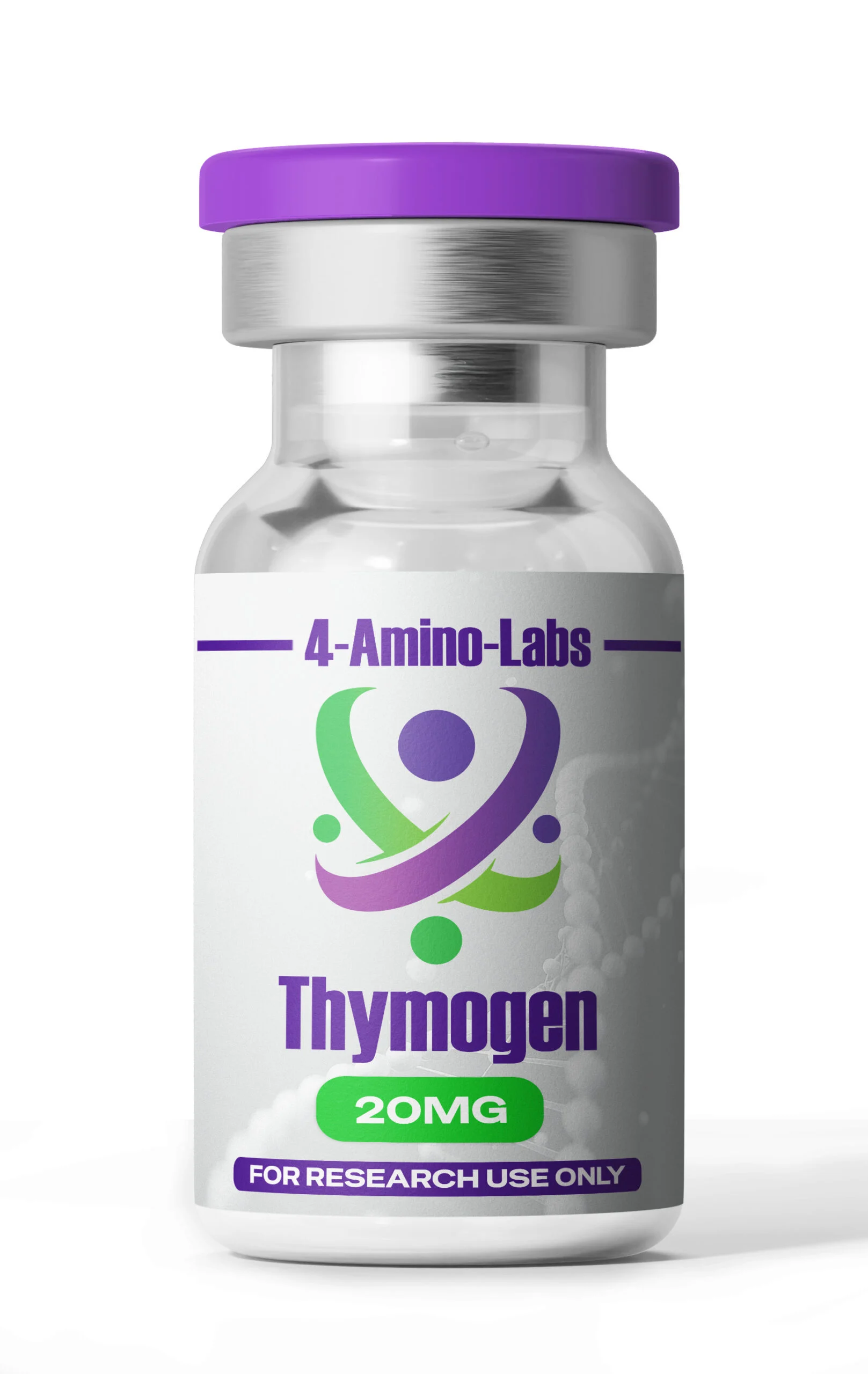
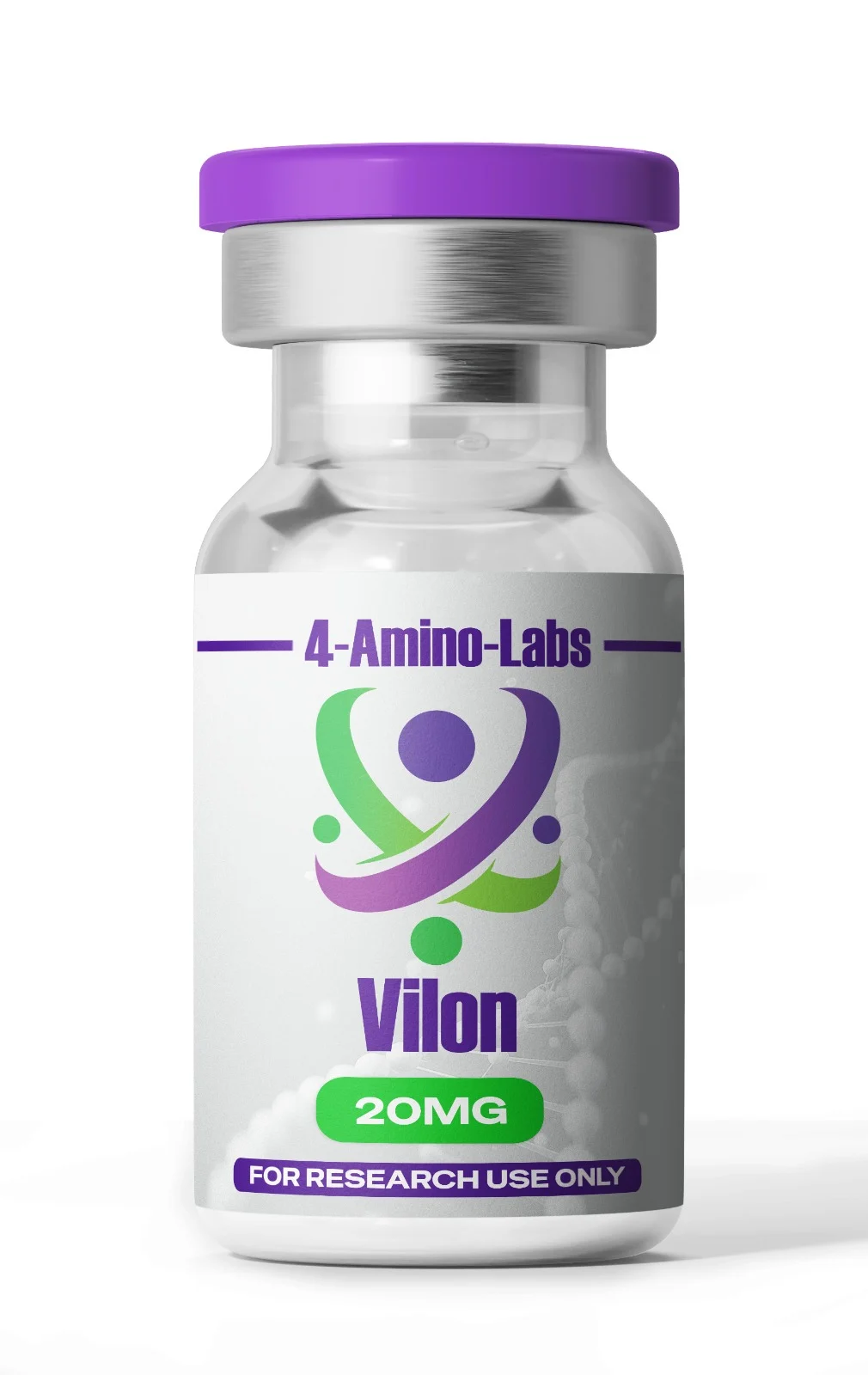
- Immune: Thymogen, Thymalin and Vilon, studied in thymus and immune-cell models.
- Reproductive: Ovagen, Testagen and Prostamax (prostate).
- Mitochondrial: humanin, a 24-amino-acid peptide encoded in mitochondrial DNA. It is longer than the classic bioregulators and is studied in cell-stress and aging models.
How bioregulators are studied
Because these sequences are so short, research focuses on whether they can enter cells and interact with DNA or chromatin to change which genes are expressed. Typical readouts include gene-expression profiling, protein synthesis markers and tissue-specific function in culture or animal models. Most of the literature is preclinical and comes from a small number of groups, so independent replication is an important consideration when designing a study.
Purity, identity and storage
For a di- or tripeptide, HPLC purity and mass spectrometry are both straightforward, but they answer different questions: HPLC describes the chromatographic profile, while mass spectrometry confirms the molecular mass. Check that the report for your lot includes both. Store lyophilized vials cold and dry, and follow the Laboratory Handling & Stability section on each product page.
Bioregulators are part of our wider short-chain amino acids (research peptides) category. For background reading, see the peptide articles in our Research Library.
Frequently asked questions
What are peptide bioregulators?
They are short synthetic peptides, usually two to four amino acids long, studied for tissue-specific effects on gene expression in laboratory models.
Who developed peptide bioregulators?
Most of the original characterization was published by Vladimir Khavinson and colleagues at the St. Petersburg Institute of Bioregulation and Gerontology.
Is humanin a bioregulator?
Humanin is a mitochondrial-derived peptide rather than a classic Khavinson bioregulator. It is grouped here because it is studied in the same aging and cell-stress research areas.
Are there restrictions on how these compounds may be used?
Yes. All products in this category are sold strictly for laboratory research and analytical purposes. They are not drugs, supplements or food products, are not for human or veterinary use, and are not intended to diagnose, treat, cure or prevent any condition.