SARMs (selective androgen receptor modulators) are nonsteroidal research compounds that bind the androgen receptor, studied for how their activity differs from tissue to tissue. 4-Amino-Labs supplies research-grade SARMs including LGD-4033, RAD140, MK-2866, S-4, S-23 and LGD-3303, alongside related receptor modulators: selective estrogen receptor modulators (SERMs) including enclomiphene and endoxifen, PPARδ and REV-ERB agonists, and ghrelin receptor agonists. Every compound from 4-Amino-Labs is supplied with a lot-specific Certificate of Analysis from an independent laboratory, and all products are sold strictly for laboratory research and analytical use.
SARMs and receptor modulators by target
“Receptor modulator” describes a research question (how a ligand changes the activity of a specific receptor) rather than a single chemical family. The compounds in this category are studied against these targets:
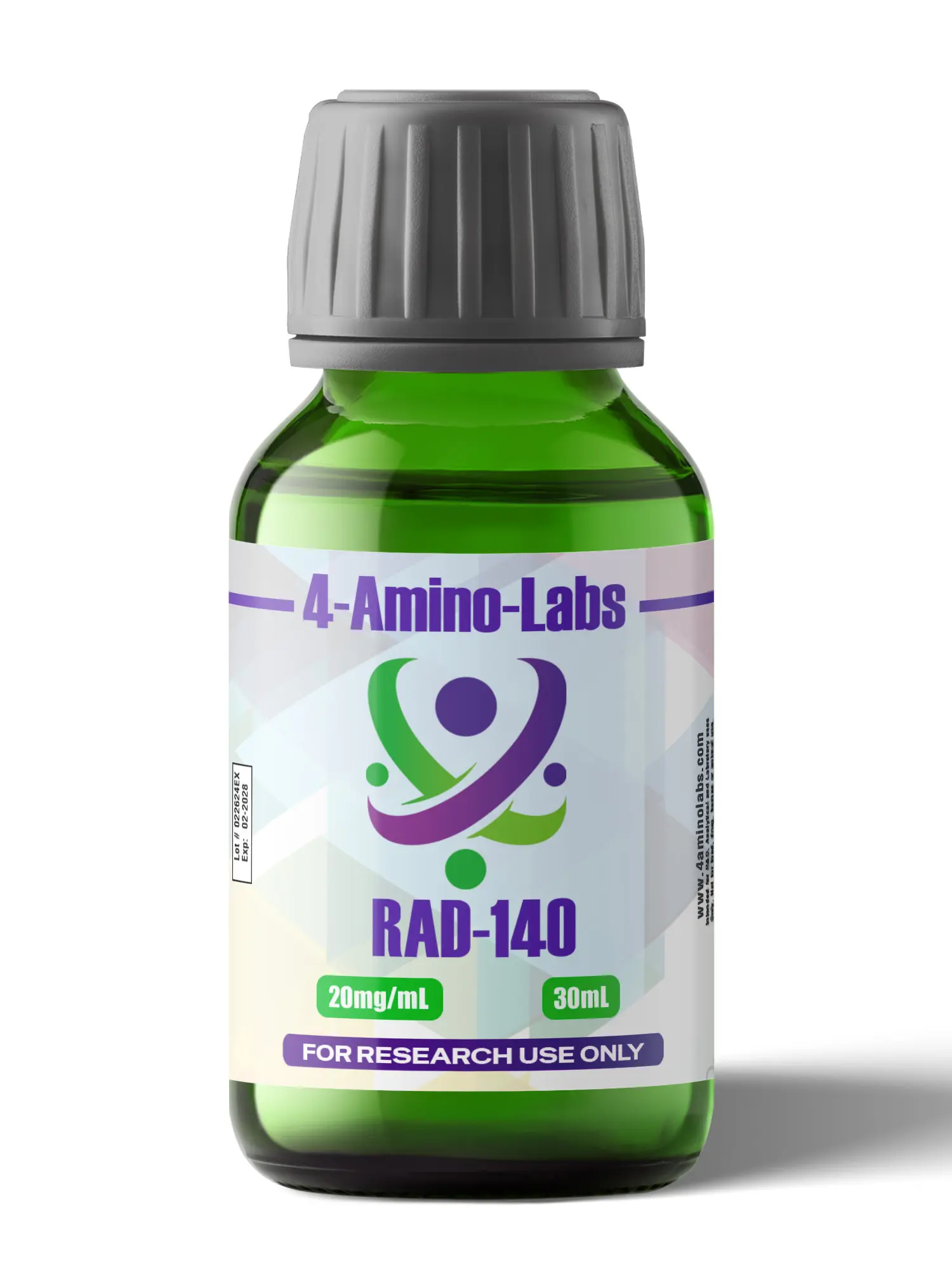
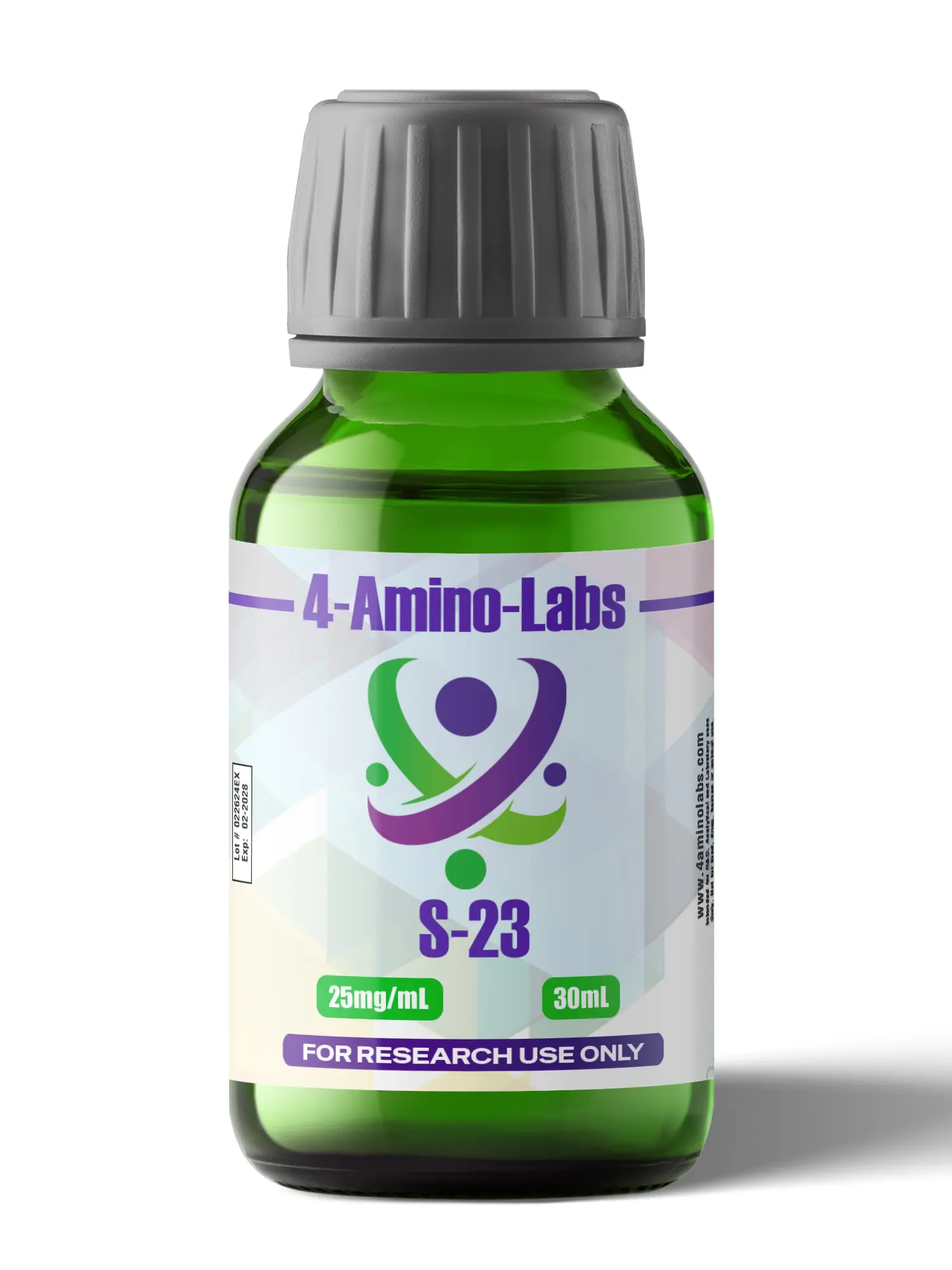
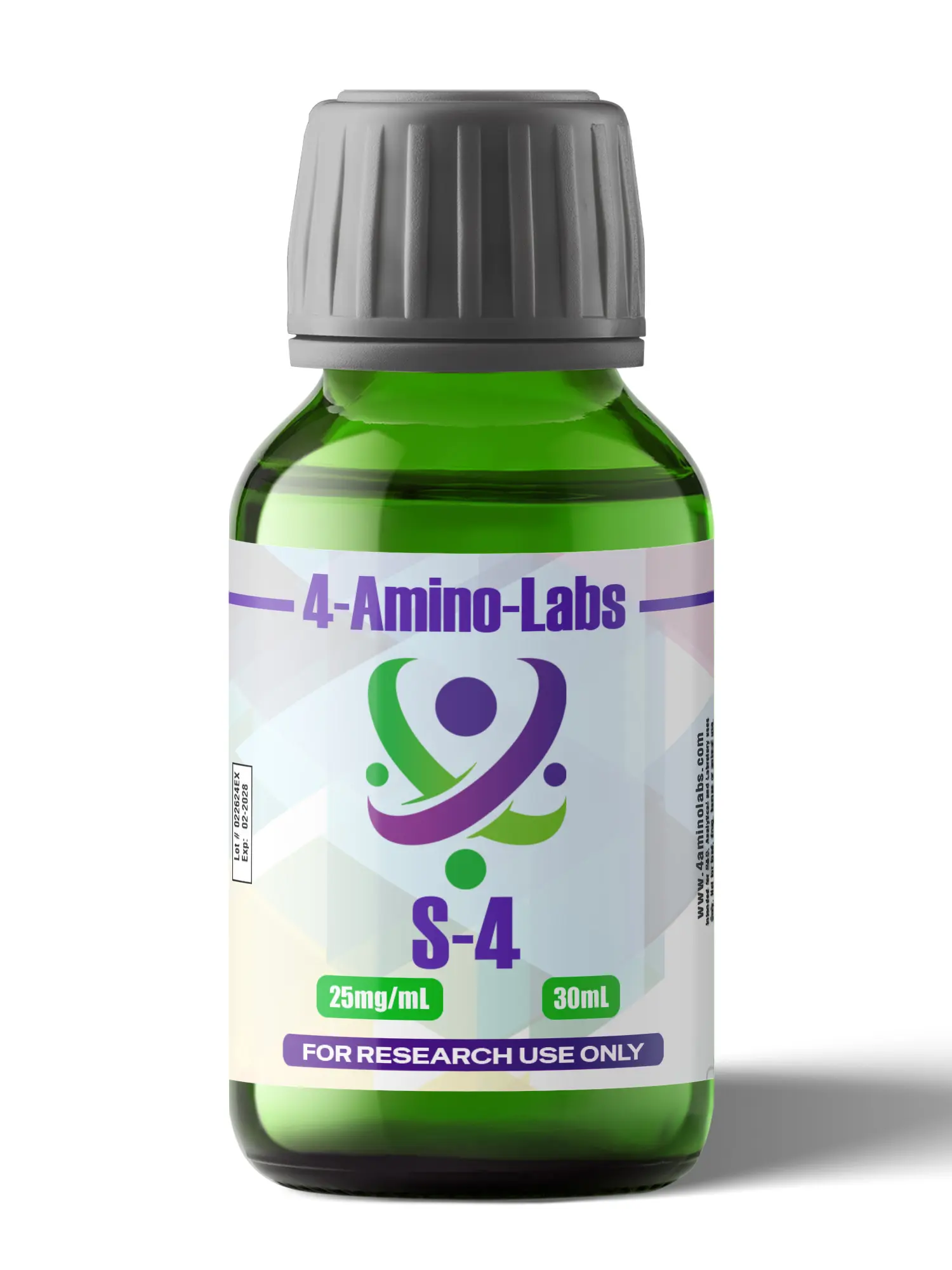
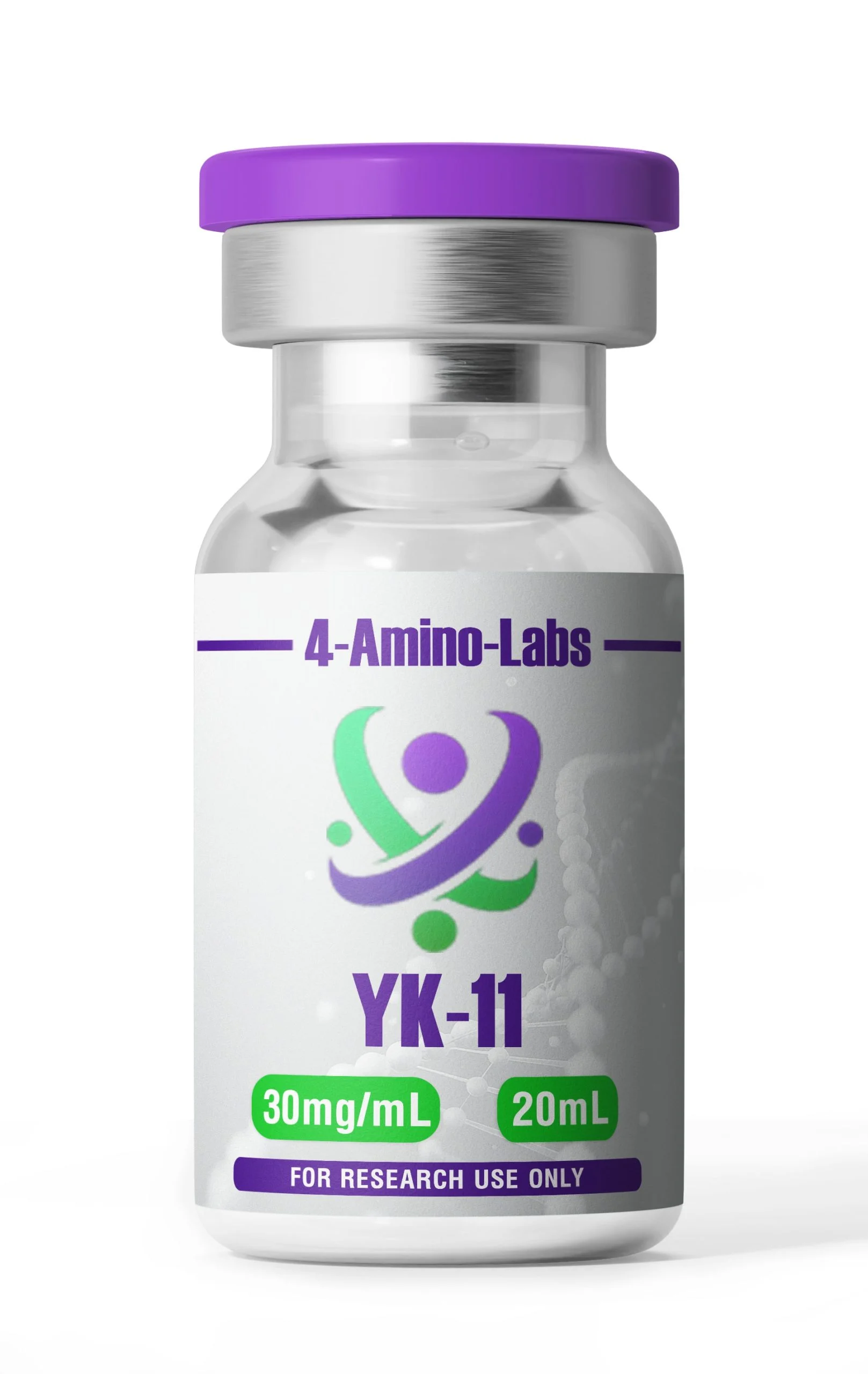
- Androgen receptor (SARMs): the nonsteroidal ligands LGD-4033 (Ligandrol), RAD140 (Testolone), MK-2866 (Ostarine), S-4 (Andarine), S-23 and LGD-3303, plus the steroidal compound YK-11 (15mg/mL or 30mg/mL MCT oil, 10mg/mL solution, or tablets), studied for tissue-selective androgen receptor binding.
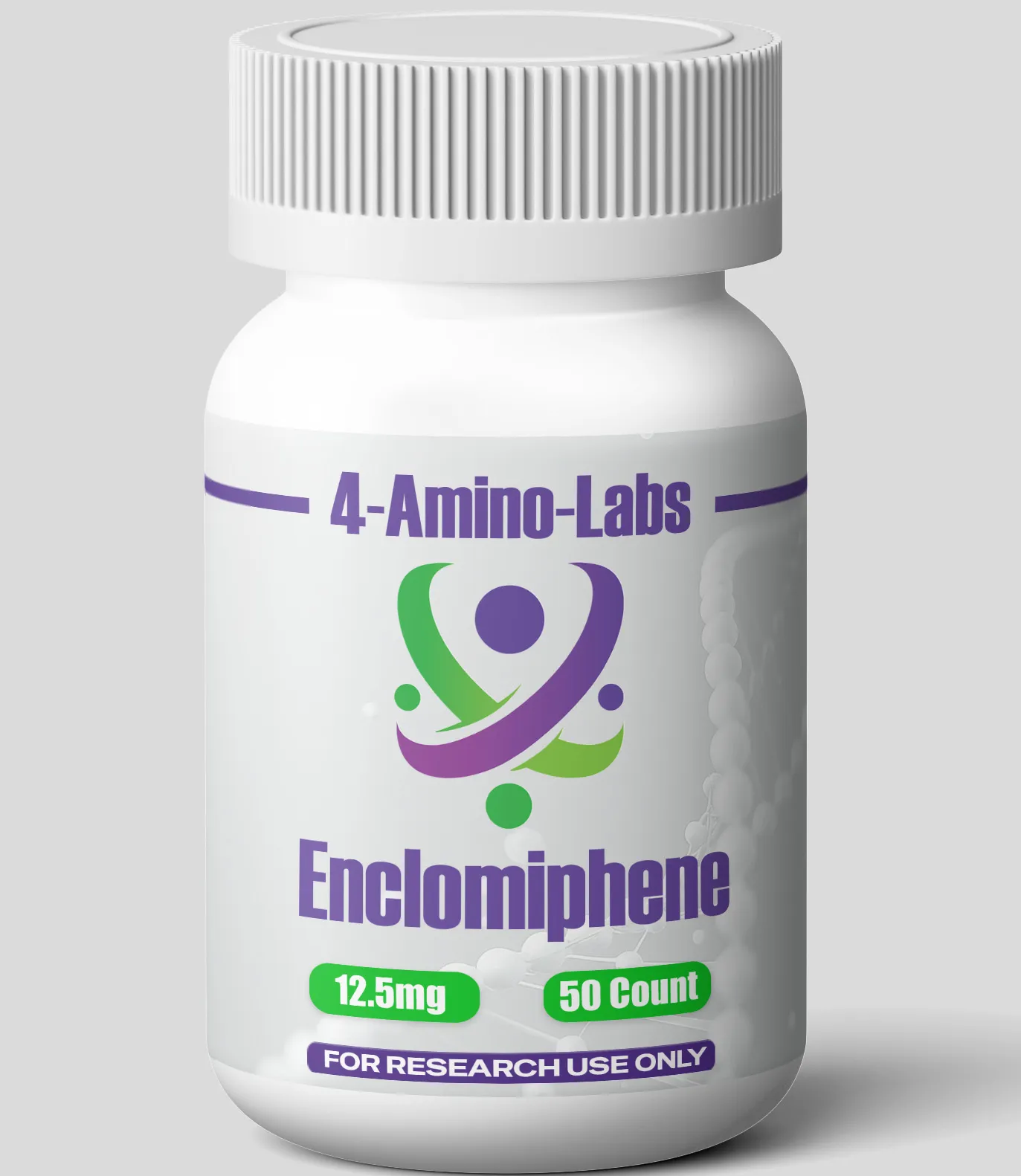
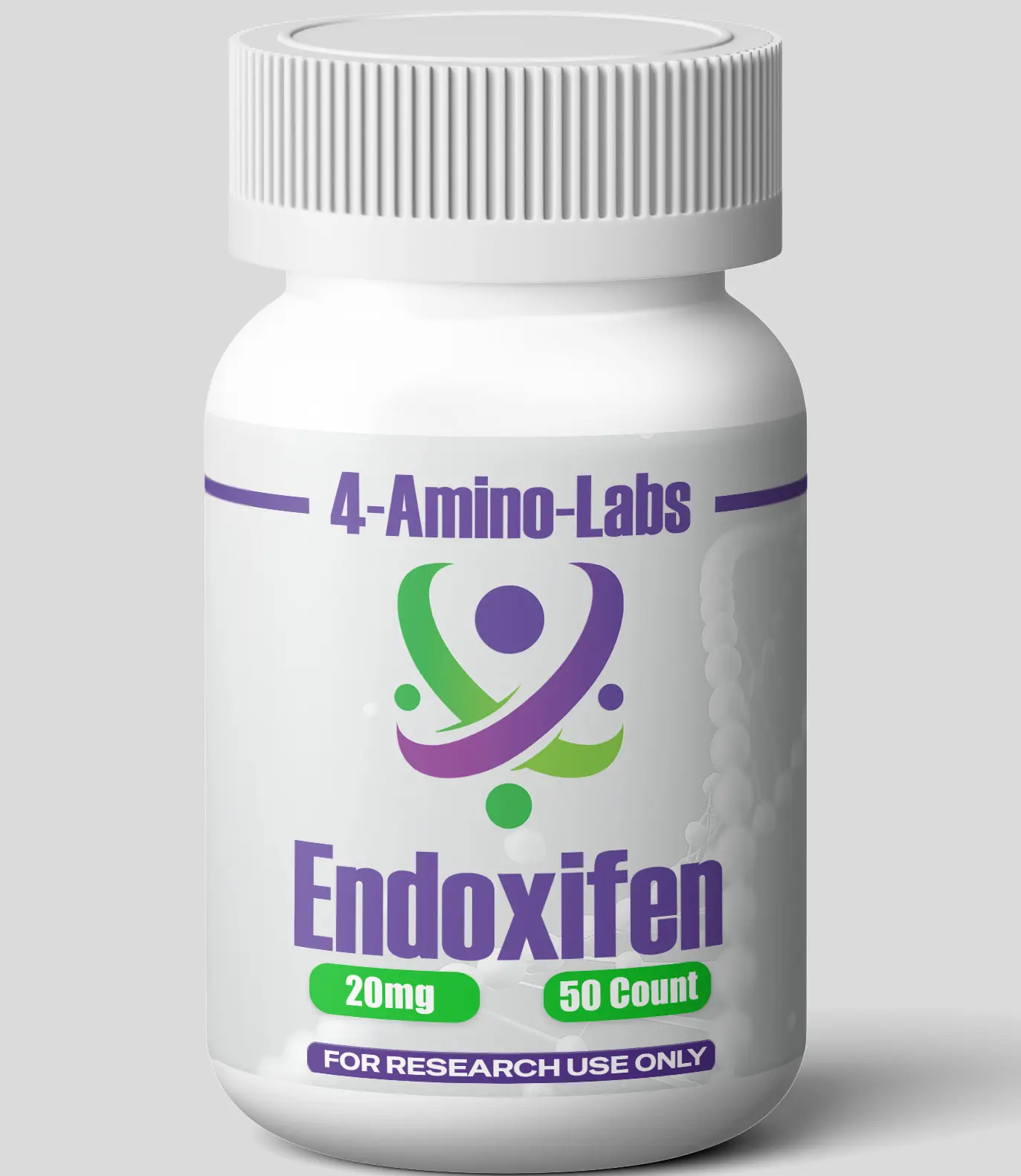
- Estrogen receptor (SERMs): enclomiphene citrate, the trans-isomer of clomiphene, investigated in hypothalamic–pituitary–gonadal axis models, and endoxifen (20mg tablets or 20mg/mL liquid), the active tamoxifen metabolite studied as a high-affinity, CYP2D6-independent ERα/ERβ ligand.
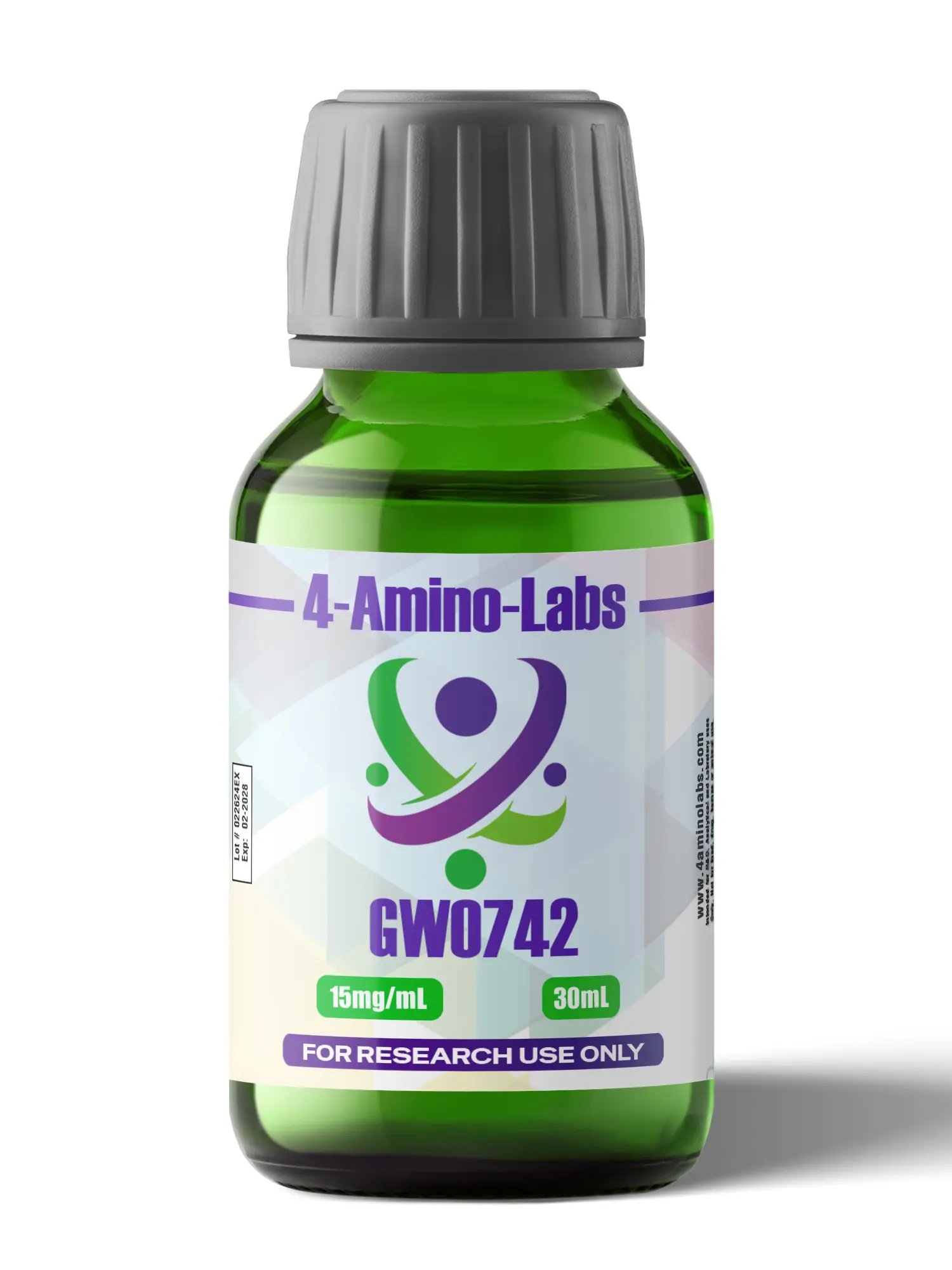
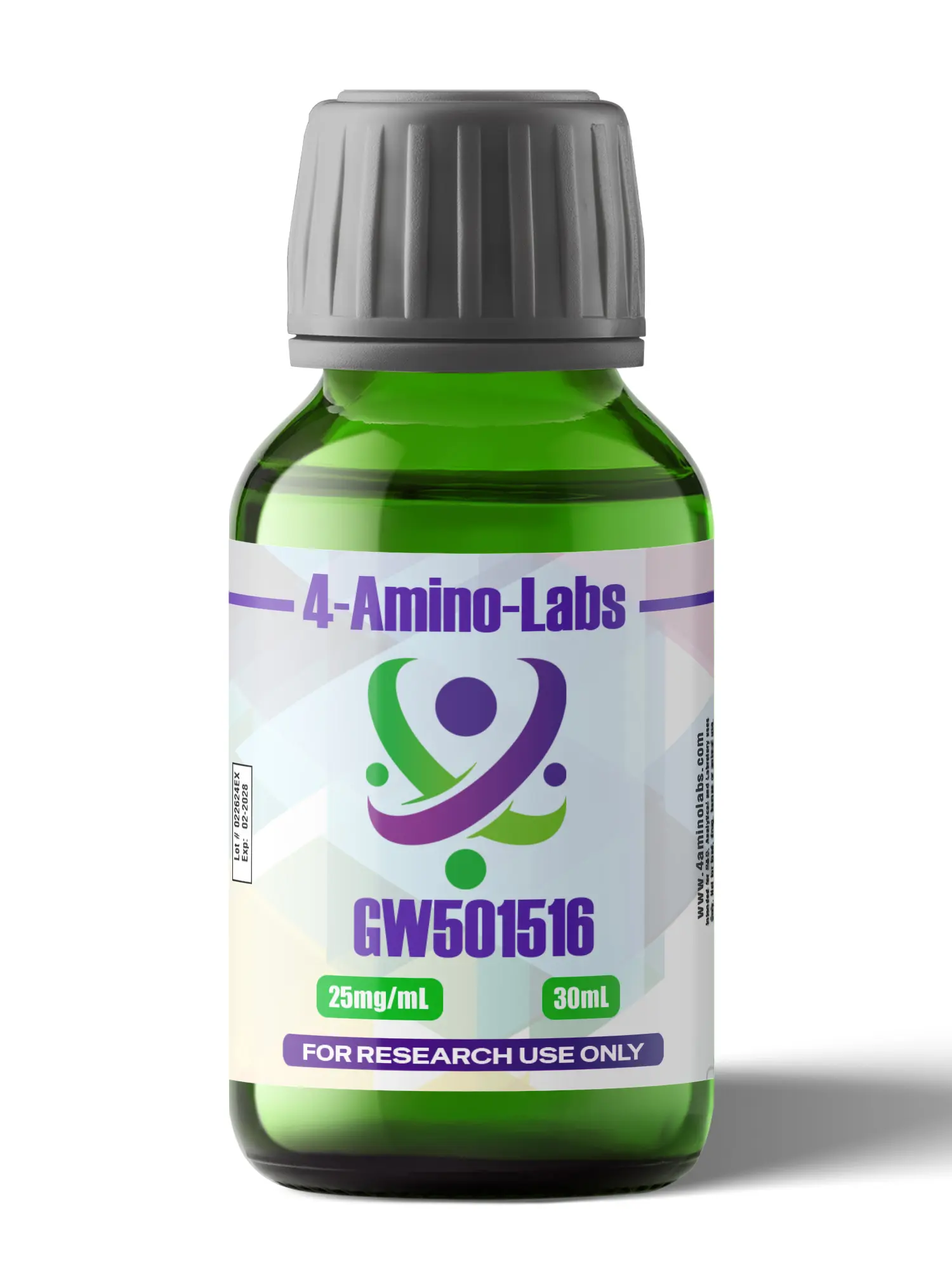
- PPARδ agonists: GW501516 (Cardarine) and GW0742 (Fitorine).
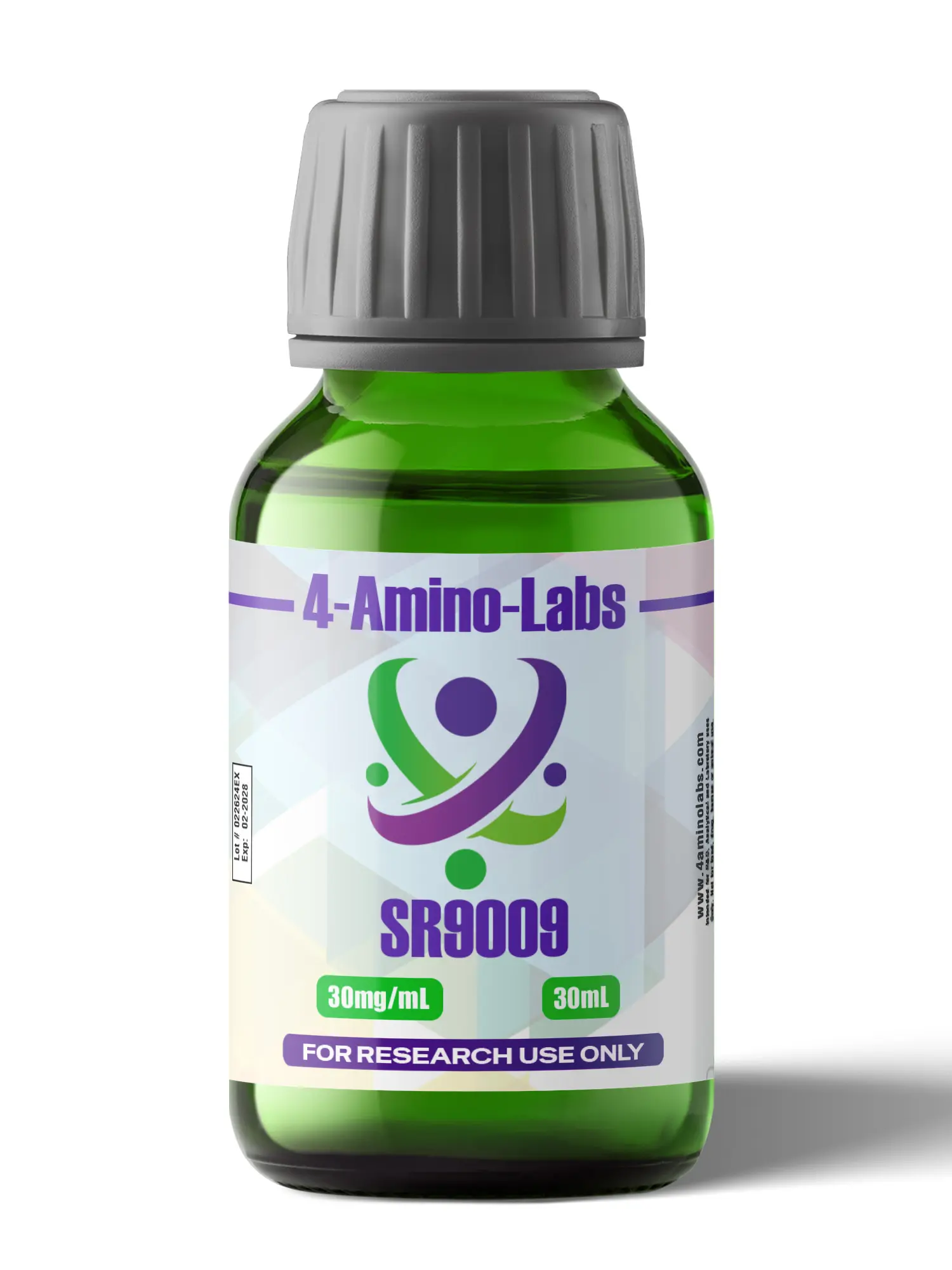
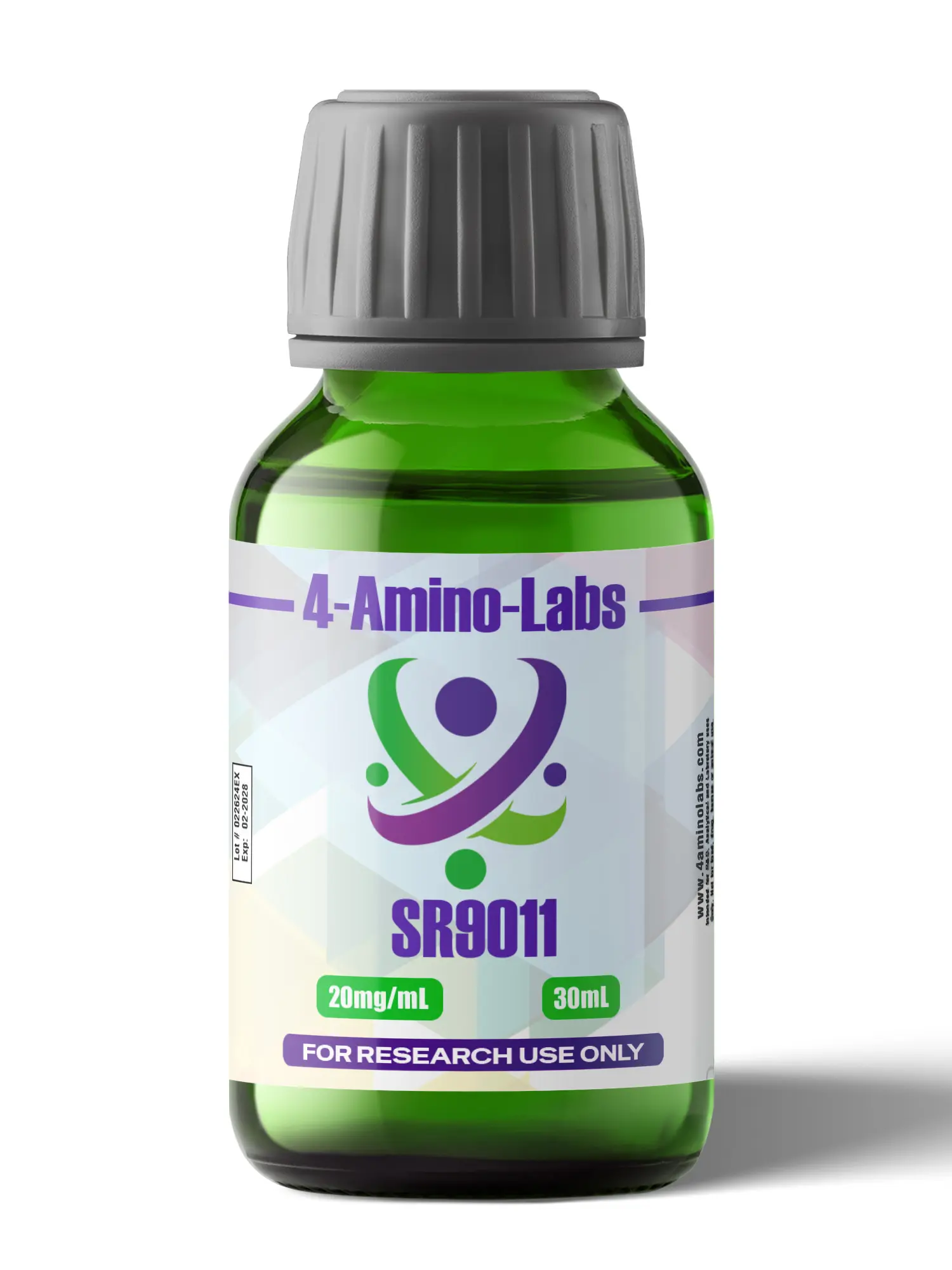
- REV-ERBα/β agonists: SR9009 (Stenabolic) and SR9011.
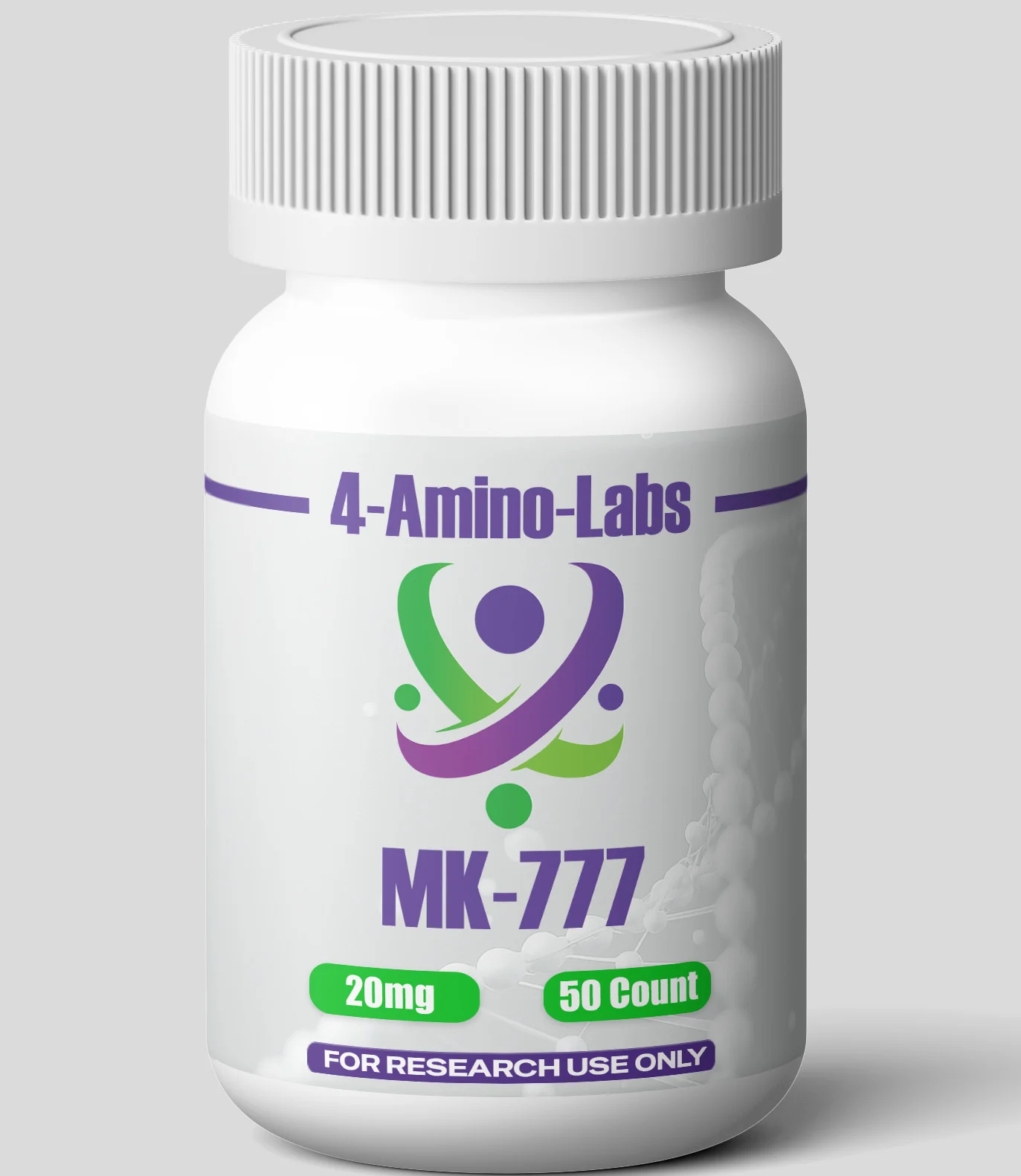
- Ghrelin receptor (GHS-R1a): MK-677 (Ibutamoren), a non-peptide ghrelin receptor agonist, and MK-777 (Acetamoren), a newer analog with limited published characterization.
Agonists, partial agonists and antagonists
A ligand’s binding profile matters as much as its target. A full agonist drives maximal receptor activation, a partial agonist produces a submaximal response even at saturating occupancy, and an antagonist occupies the receptor without activating it. “Selective” modulation refers to effects that differ by tissue or cell type, driven by receptor conformation, co-regulator recruitment and local metabolism. It is measured in a specific assay, not guaranteed by a compound class.
HPLC purity vs. identity: reading a Certificate of Analysis
An HPLC chromatogram reports the target peak as a percentage of total detected peak area under the lab’s stated conditions. That number describes chromatographic purity; it does not by itself prove the material is the named compound, and impurities that co-elute or respond weakly at the detection wavelength can go unseen.
Identity needs separate evidence, usually mass spectrometry (comparing observed and expected molecular mass) or retention-time comparison against a certified reference standard. Where isomers matter, as with enclomiphene, isomer-resolving chromatography is needed to tell apart forms with the same mass. When you review a report, check which of these methods were actually run.
Lot-specific batch documentation
A Certificate of Analysis applies only to the lot that was tested. For example, the enclomiphene citrate report lists MZ Biolabs as the testing laboratory, chiral HPLC-UV-MS as the method, an analysis date of June 9, 2026, and 99.55% HPLC area purity. Reports for this category are published in our Certificates of Analysis library, searchable by compound, method and date. Match the compound and lot on your material to the report, and contact us if your lot’s documentation isn’t listed.
How to choose SARMs for a research study
- Define the target and readout. Specify the receptor, the binding profile of interest, and the assay or model that will measure the response.
- Set the evidence requirement. Decide whether chromatographic purity is enough or whether mass-spec identity or isomer resolution is needed, and confirm the published report covers it.
- Confirm format and concentration. Each product page lists the supplied format (solution or tablet) and concentration; check these against your protocol before ordering.
- Plan storage and handling. Stability conditions are compound-specific and listed in the Laboratory Handling & Stability section of each product page.
For more background, browse the receptor modulator articles in our Research Library, or read our guides to evaluating SARM suppliers for research, SARMs vs SERMs and SARMs vs peptides.
SARMs FAQ
What are SARMs?
SARMs are selective androgen receptor modulators: synthetic ligands, mostly nonsteroidal, that bind the androgen receptor. They are studied for tissue-selective receptor activity, meaning their measured effects differ between tissue types in laboratory models.
Which SARMs does 4-Amino-Labs carry?
LGD-4033 (Ligandrol), RAD140 (Testolone), MK-2866 (Ostarine), S-4 (Andarine), S-23 and LGD-3303, plus the steroidal androgen receptor ligand YK-11. Each is listed with its supplied format and concentration on its product page.
Are MK-677, GW501516 and SR9009 SARMs?
No, although they are often grouped with SARMs. MK-677 is a ghrelin receptor agonist, GW501516 is a PPARδ agonist and SR9009 is a REV-ERB agonist. None of them binds the androgen receptor.
What are receptor modulators used for in research?
They are used in controlled laboratory and analytical studies of receptor binding and signaling. They are not intended for human or animal consumption.
What is the difference between a SARM and a SERM?
A SARM is a selective androgen receptor modulator, studied for its binding at the androgen receptor. A SERM is a selective estrogen receptor modulator, such as enclomiphene or endoxifen, studied at the estrogen receptor. Both are characterized by how their activity varies across tissues in a given assay.
What is endoxifen?
Endoxifen (4-hydroxy-N-desmethyltamoxifen) is the principal active metabolite of tamoxifen. Because it does not require CYP2D6 bioactivation, it is used in laboratory models to study estrogen receptor binding and signaling without the variability of tamoxifen metabolism. 4-Amino-Labs supplies endoxifen as 20mg tablets or a 20mg/mL liquid for research use only.
What YK-11 formats are available?
YK-11 (CAS 1370003-76-1) is supplied in four formats: a 15mg/mL MCT oil in a 10mL vial (150mg), a 30mg/mL MCT oil in a 20mL vial (600mg), a 10mg/mL PEG-400 solution in a 30mL vial (300mg), and 50-count tablets. The YK-11 product page lists the specification and safety data sheet for each format.
Does one Certificate of Analysis cover every batch?
No. A Certificate of Analysis documents the specific lot that was tested. A report from a different lot does not document your material, even when the compound name is the same.
Does an HPLC purity result confirm a compound’s identity?
No. HPLC area percentage describes the chromatographic profile under the stated method. Identity requires additional evidence such as mass spectrometry or comparison against a reference standard.
Can SARMs be ordered online in the USA?
Yes. Qualified laboratories and research professionals can order SARMs and other receptor modulators online from 4-Amino-Labs for research use only, with orders shipping from within the United States.
Are there restrictions on how these compounds may be used?
Yes. All products in this category are sold strictly for laboratory research and analytical purposes. They are not drugs, supplements or food products, are not for human or veterinary use, and are not intended to diagnose, treat, cure or prevent any condition.