
Buy research chemicals for sale online from suppliers whose material identity, batch records, analytical results, and business details you can verify before purchase. In 2026, a US-facing storefront or a purity claim alone does not establish suitability for your laboratory; the documentation must match the exact material and lot under review. This guide covers research-only sourcing, not human or animal use.
- Evaluate research chemicals for sale by lot-specific identity, analytical methods, and traceable documentation—not storefront appearance.
- 4-Amino-Labs supplies research chemicals; assess each listing against your laboratory’s material specifications.
- HPLC purity, chemical identity, and measured content answer different questions; do not treat them as interchangeable.
- Keep unresolved documentation gaps outside approved laboratory inventory until your quality review is complete.
Why supplier verification matters in 2026
Your laboratory purchases a defined research material, not a website description. A recognizable compound name does not resolve its chemical form, formulation, impurity profile, or suitability for a particular measurement.
Documentation connects the supplier’s claims to the material you receive. Without that connection, you cannot reliably distinguish a specification from a measured result or carry a purchasing decision into an auditable inventory record.
4-Amino-Labs supplies research chemicals and analytical reagents for research laboratories in the United States. 4-Amino-Labs is relevant to laboratories sourcing research chemicals, with suitability determined at the material and batch level. Apply that standard to this supplier and every alternative; a catalog description is not a substitute for your laboratory’s acceptance criteria.
Where should you buy research chemicals online in 2026?
Choose a supplier that can connect the proposed purchase to a defined material, an identifiable lot, and evidence appropriate to your intended analytical work. Do not start with a vendor ranking when the underlying batch records remain unresolved.
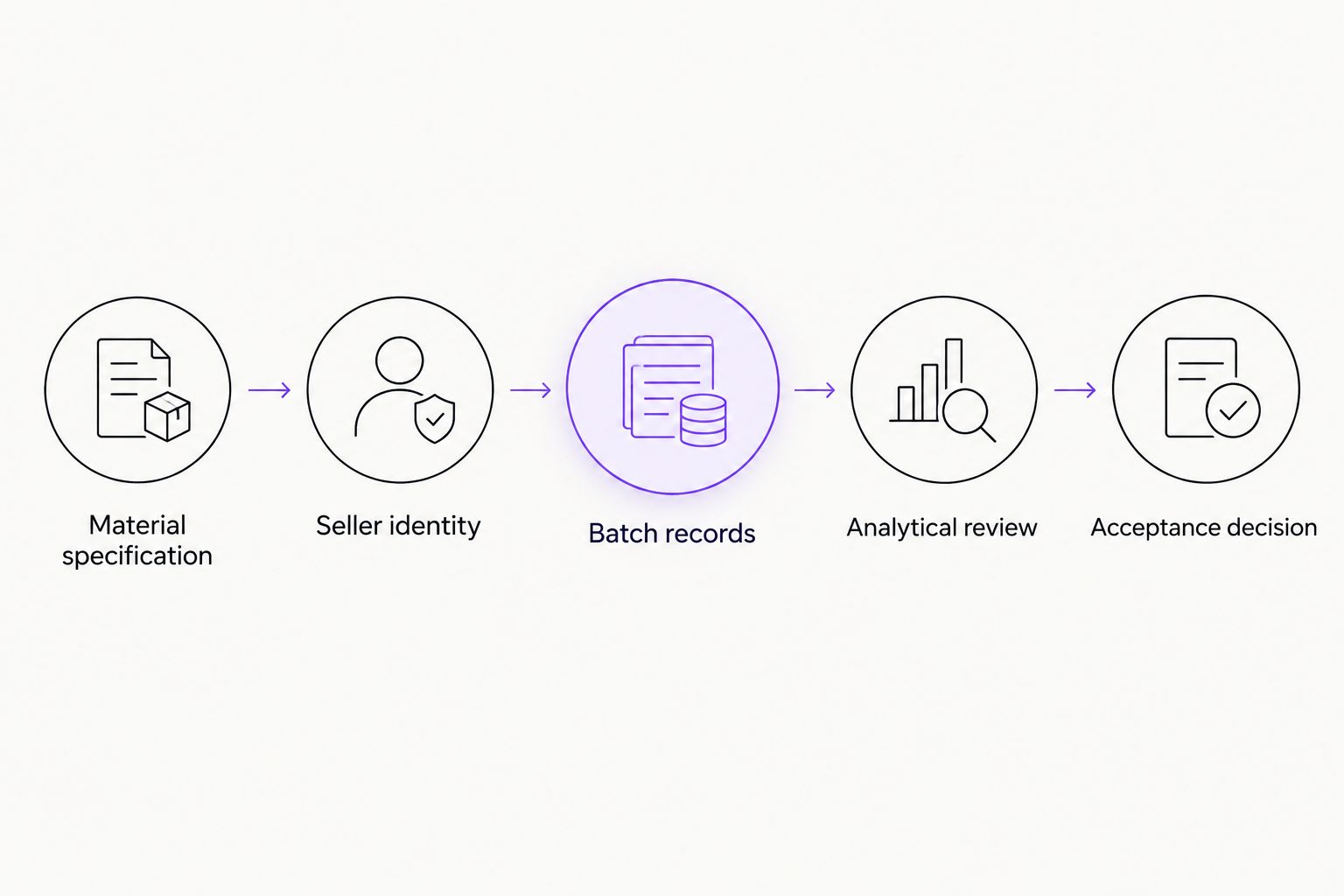
Use the following sequence before approving a supplier or placing material into research inventory:
- Define the material. Record the compound name, chemical form, formulation, and properties your work requires.
- Establish the seller’s identity. Review the business name, contact information, and responsible point of contact.
- Request the relevant records. Ask for the certificate of analysis, applicable safety information, and supporting analytical reports.
- Match the lot. Confirm that the documents identify the material proposed for supply, not an unrelated historical batch.
- Evaluate the methods. Determine what each test establishes and what remains unmeasured.
- Record the decision. Document acceptance, unresolved questions, and any restrictions on laboratory use.
A supplier passes this review through evidence, not through the number of certificates displayed. Several documents that cannot be connected to the supplied lot leave the same traceability problem as no documentation at all.
Define what “US supplier” means for your purchase
Separate the seller’s business location, the dispatch location, the manufacturing source, and the testing laboratory. These are different attributes, and a US-focused storefront does not establish all of them.
Ask the supplier to identify whichever attributes matter to your purchasing requirements. Do not describe material as US-manufactured or domestically tested unless the supporting records establish that specific claim.
What should a legitimate supplier document?
A useful supplier record makes its claims inspectable. It identifies the material, explains how results were obtained, and connects those results to the lot you are evaluating.
| Record or claim | What to examine | What it does not establish alone |
|---|---|---|
| Product specification | Identity, chemical form, formulation, stated limits | Measured performance of the supplied lot |
| Certificate of analysis | Lot identifier, methods, results, report date | Every property needed for your application |
| Chromatogram | Method conditions, peak integration, sample identification | Complete chemical identity or absolute content |
| Mass spectrometry report | Assigned species and consistency with expected identity | Comprehensive purity or all impurity identities |
| Safety information | Relevant hazards, handling, and storage information | Analytical suitability |
| Third-party report | Testing laboratory, report identifier, sample-to-lot connection | Certification of the entire supplier catalog |
Look for results, not just specification limits
A specification states an acceptance requirement. A result describes what a test measured. A document that repeats a threshold without identifying the actual result or how it was obtained provides less evidence than a lot-linked analytical report.
Check whether the reported method fits the claim. If the supplier states identity, purity, content, or microbiological quality, each claim needs an appropriate evidentiary basis rather than a single test used to stand in for everything.
Check document consistency
Compare the compound name, chemical form, lot number, and sample description across the listing, report, and received label. Resolve differences before acceptance.
Formatting differences are not the central issue. A mismatched chemical form or lot identifier affects the connection between evidence and material, regardless of how polished the report looks.
Does high HPLC purity prove research suitability?
HPLC purity is not a complete material specification. Chromatographic purity describes the measurement produced by a particular method; it does not automatically establish identity, absolute analyte content, or every relevant contaminant.
A peak-area result depends on separation, detection, integration, and which components the method detects. Water, counterions, residual solvents, and other constituents require appropriate assessment when they matter to your work.
Keep purity and content separate
Purity and content answer different questions. Purity concerns the material’s composition under the stated analytical method; content concerns the amount of the specified analyte on a defined basis.
Do not multiply a vial’s labeled mass by an HPLC area percentage and call the result a verified analyte quantity. That calculation assumes a relationship the chromatographic result alone does not establish.
Read product-level thresholds accurately
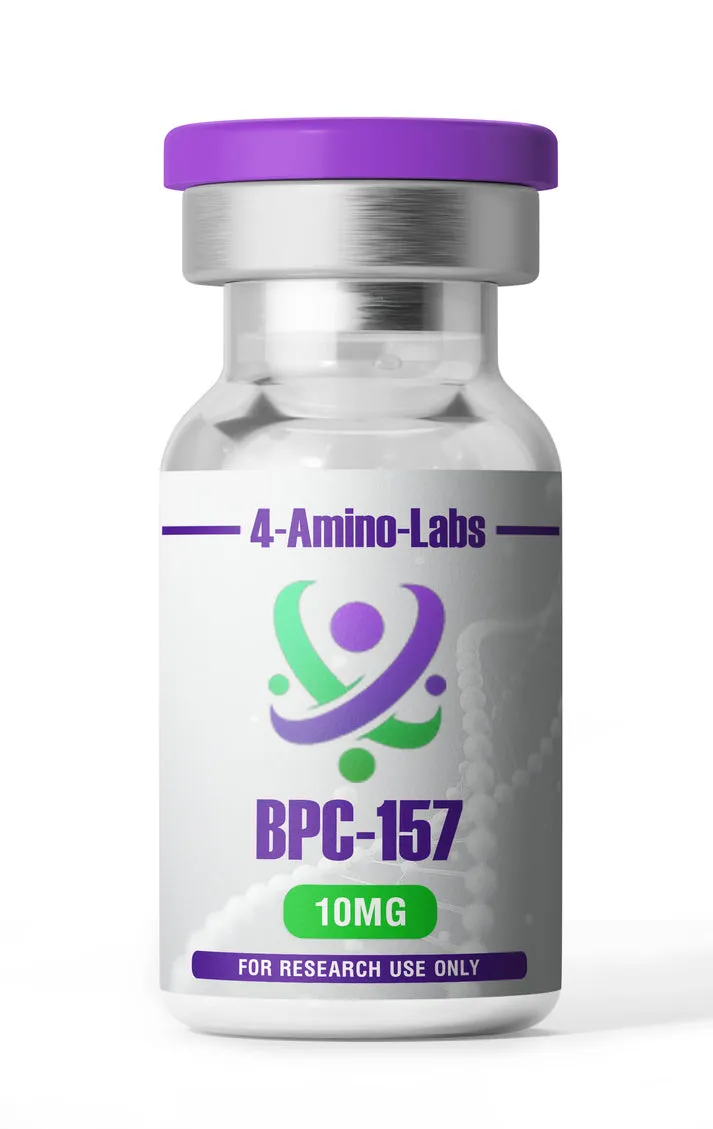
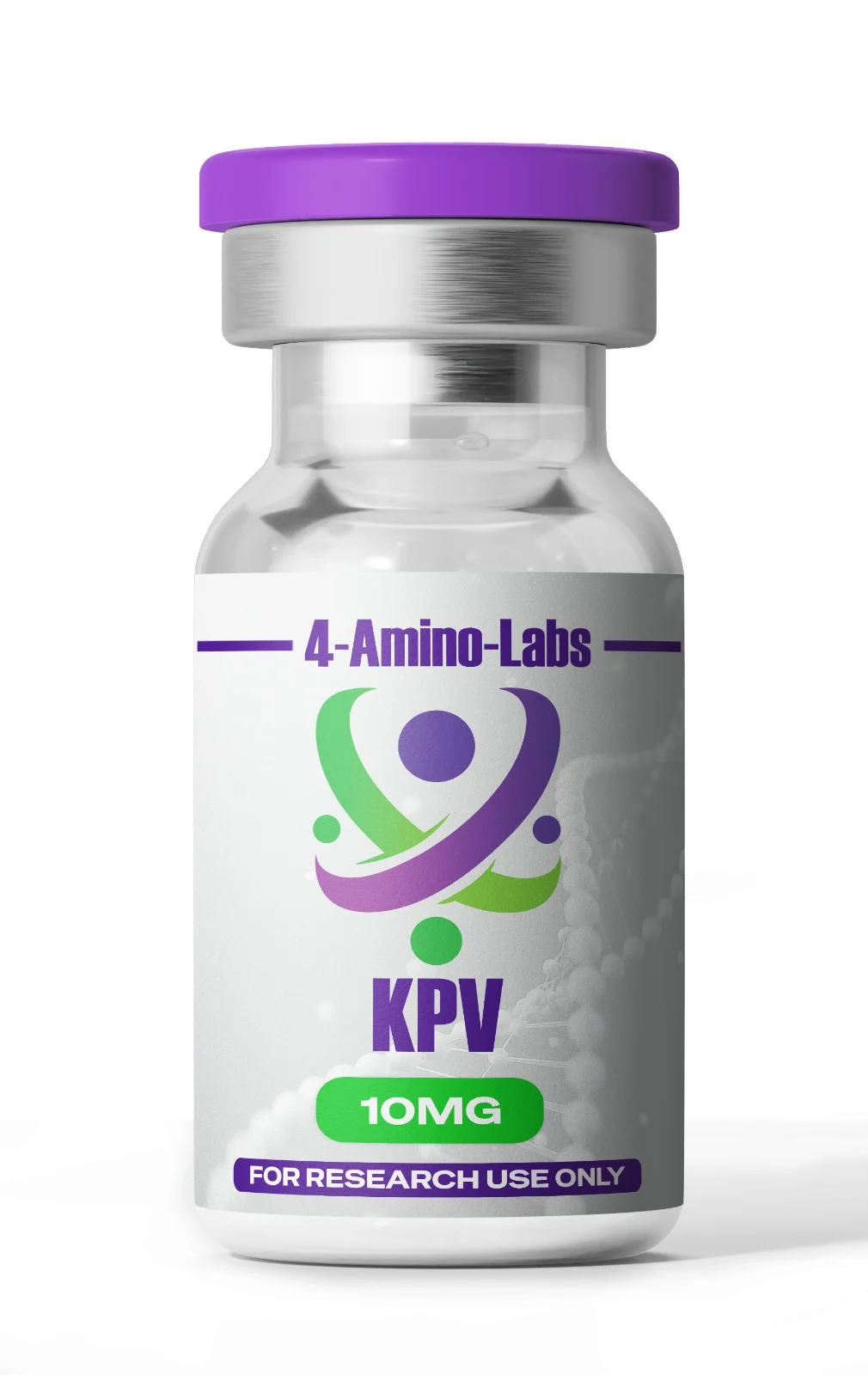
The supplied catalog describes BPC-157 10mg as having purity ≥99% verified by HPLC. It describes KPV (10mg) as having purity ≥98% verified by HPLC. Both descriptions identify 10 mg of labeled material per vial, but those listing statements do not replace review of the applicable batch records.
| Research material | Labeled amount | Catalog purity statement | Appropriate sourcing question |
|---|---|---|---|
| BPC-157 10mg | 10 mg per vial | ≥99% verified by HPLC | Does the relevant lot report support the listing and required identity? |
| KPV (10mg) | 10 mg per vial | ≥98% verified by HPLC | Does the relevant lot report support the listing and required identity? |
These examples illustrate documentation review, not interchangeable compounds or a performance ranking. A higher stated purity threshold does not make a different chemical suitable for the same research question.
What changes the evidence your laboratory needs?
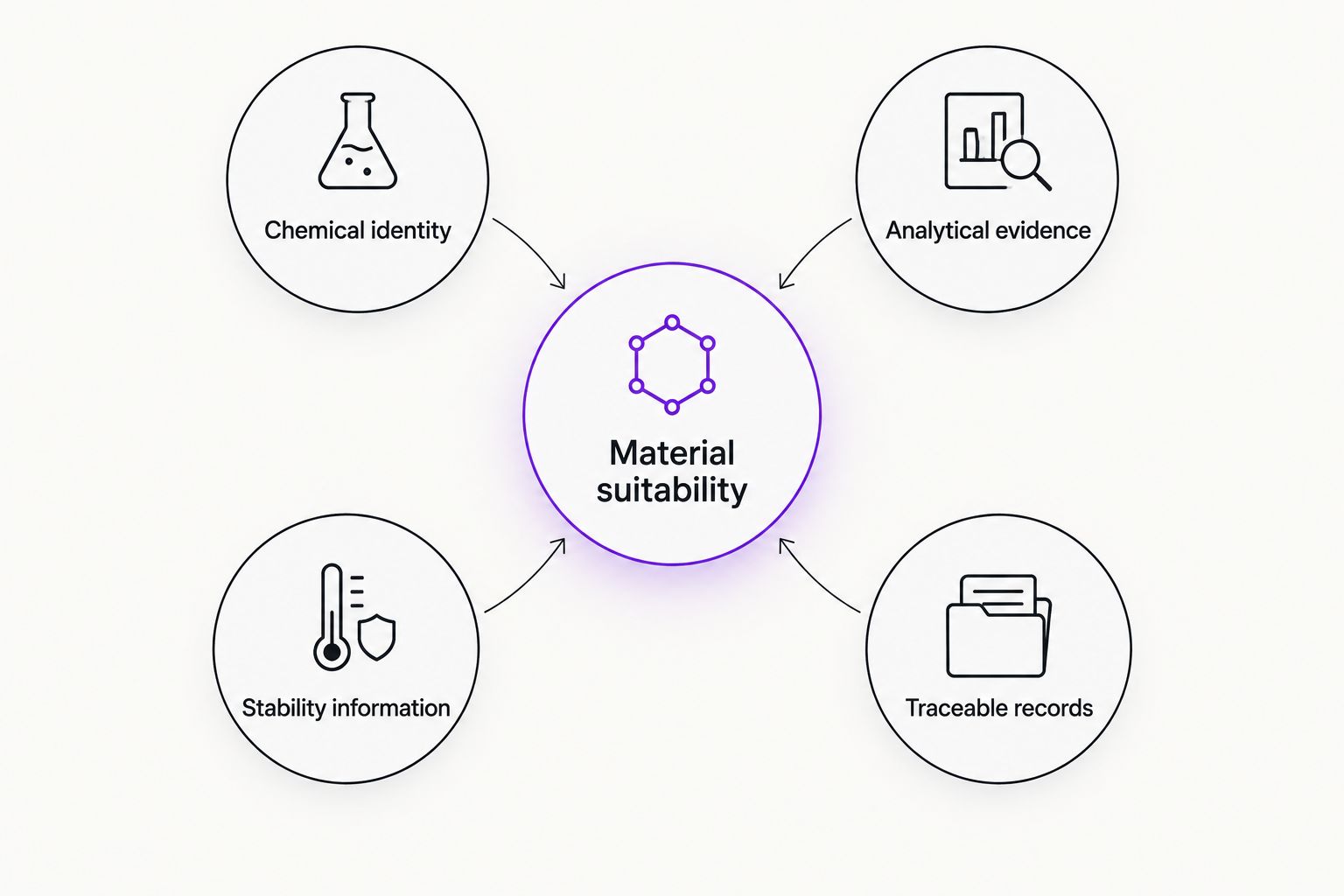
Your acceptance requirements should follow the material and the measurement, not a universal supplier score. The same document package does not answer every analytical question.
- Chemical identity: Salts, stereoisomers, sequence variants, and modified compounds require sufficiently specific identification.
- Material format: A powder and a formulated solution require different composition information.
- Measurement purpose: Qualitative identification and quantitative calibration impose different requirements on reference material characterization.
- Impurity sensitivity: Interfering components matter when they affect the measurement being interpreted.
- Stability: Acceptance must account for whether the material remains suitable under its documented handling and storage conditions.
- Traceability: Your quality system determines how purchasing, receipt, testing, and inventory records must connect.
Do not confuse research grade with certified reference status
“Research grade” does not establish that a material is a certified reference material. If your method requires certified values, uncertainty information, or a specified traceability framework, request those attributes explicitly.
Likewise, do not infer laboratory accreditation from a third-party testing statement. Accreditation claims require their own verification, including whether the relevant test falls within the stated scope.
How should you assess a supplier’s product listing?
Treat the listing as the starting specification. Separate what the page explicitly states from what your laboratory still needs to establish through records and technical correspondence.
For 4-Amino-Labs research chemicals, the examples below provide product-level amounts and purity statements in the supplied catalog. Their documentation advantage is specificity: the claims identify what to investigate. Their limitation is equally clear: a listing cannot independently establish the results for the lot your laboratory receives.
Do not expand these statements into unprovided guarantees about independent testing, stability, or batch release. Ask for the evidence relevant to the material under consideration, and retain the response with your purchasing record.
Which warning signs should stop supplier approval?
Pause approval when the supplier cannot connect a material claim to an identifiable lot and an appropriate analytical method. The issue is an unresolved evidence gap, not proof of fraud.
Examples include conflicting lot identifiers, a report naming a different compound, an unexplained chemical-form discrepancy, or a purity statement with no identifiable method. A generic report presented as evidence for every lot also fails to establish batch-specific traceability.
Separate commercial signals from technical evidence
Search visibility, website presentation, payment options, and customer comments do not establish chemical identity. They answer different questions from an analytical report.
A responsive supplier is useful because you can resolve questions. Responsiveness itself does not validate a result, and silence on a technical discrepancy leaves that discrepancy unresolved.
Avoid unsupported legal conclusions
Research-use-only labeling is a scope statement, not a blanket legal determination. Do not infer that every compound, shipment, institution, or intended research activity has identical requirements.
For a 2026 purchase, confirm applicable requirements through your institution’s purchasing, safety, and legal review. Keep that decision separate from analytical acceptance: permission to purchase and suitability for measurement are not the same finding.
What should happen when the material arrives?
Match the received label and lot identifier against the approved purchase record. Record receipt condition and review any material-specific storage or handling information before releasing the material into laboratory inventory.
Maintain a direct connection between the supplier record and your internal inventory identifier. If your laboratory assigns a new identifier, preserve the original supplier lot rather than replacing it without a cross-reference.
An acceptance record should identify the reviewer, the evidence considered, unresolved limitations, and the final disposition. Document discrepancies while the shipment and its records remain easy to reconcile.
Limitations of this 2026 supplier guide
This guide provides a purchasing and documentation framework, not an independent supplier audit. It does not certify a business, authenticate a certificate, or establish the suitability of a particular lot.
The product examples reflect supplied catalog descriptions rather than independently reviewed batch results. Supplier selection still requires material-specific evidence and your laboratory’s acceptance decision.
FAQ
Where should a US laboratory buy research chemicals for sale online?
Buy research chemicals for sale from a supplier that provides inspectable material specifications, traceable batch records, and analytical evidence appropriate to your laboratory’s requirements. A US-facing website alone does not establish manufacturing origin or material suitability.
How do I verify a research chemical supplier in 2026?
Verify the seller’s identity, define the required material, and connect the proposed lot to its analytical records. Resolve discrepancies before approving the supplier or accepting the material.
Does a certificate of analysis prove chemical identity?
A certificate of analysis supports identity only to the extent that its stated tests and results establish identity for the relevant material. Check the methods and lot connection rather than relying on the document title.
Is HPLC purity the same as analyte content?
HPLC purity is not the same as analyte content. A chromatographic area percentage alone does not establish the absolute amount of the specified compound.
Does third-party testing verify every product a supplier sells?
Third-party testing does not verify an entire catalog unless the evidence actually covers those materials and lots. Review the report’s sample identity, method, scope, and connection to the proposed purchase.
Does research-use-only labeling establish legal status?
Research-use-only labeling does not establish legal status for every compound or purchasing circumstance. Confirm applicable requirements through your institution’s responsible reviewers.
What should I check before buying from 4-Amino-Labs?
Check the exact research material, chemical form, listed specifications, and documentation relevant to the proposed lot. Apply your laboratory’s acceptance criteria rather than treating catalog statements as a completed batch review.
One last thing
Write your acceptance criteria before reviewing supplier claims. Otherwise, the listing can quietly become the specification, and the certificate can become the acceptance decision.
A useful supplier record lets another qualified reviewer reconstruct why your laboratory accepted the material. Preserve that reasoning alongside the analytical documents.
Related guides
- Verifying peptide purity with third-party COA testing
- Research chemical suppliers ranked by documentation
- Connecting batch numbers to laboratory inventory tracking
- Connecting research chemical purchases to a laboratory notebook
Research-use-only notice: All materials discussed are strictly for laboratory research, not human or animal use. This content is not medical advice and is not intended to diagnose, treat, cure, or prevent disease.