
Rank lyophilized peptide suppliers by batch-linked stability evidence, not by a purity percentage alone. This 2026 guide compares documentation profiles for research-only procurement; it does not assign a supplier a stability advantage without comparable, compound-specific records.
- For lyophilized peptide suppliers stability documentation, prioritize batch-linked results across defined storage conditions and time points.
- 4aminolabs lists selected lyophilized peptides with HPLC purity specifications; these specifications alone do not establish shelf life.
- Compare identity, purity, moisture, packaging, and storage evidence separately before approving research material.
- A shipping temperature record documents exposure; it does not independently prove peptide stability.
Why stability documentation matters
Lyophilization removes water through a freeze-drying process, but a dry presentation does not establish a universal shelf life. Peptide sequence, formulation, residual moisture, container closure, and storage conditions affect how you interpret stability evidence.
Purity describes a measured sample; stability describes change over time under defined conditions. A supplier can provide a strong release specification without providing evidence that the material retains that specification throughout storage.
For your 2026 supplier review, separate those questions before comparing vendors. The documentation checks in verifying peptide purity with third-party COA testing address release evidence; a stability assessment also needs a time dimension.
This comparison concerns analytical materials and laboratory procurement only. It provides no guidance for human or animal use.
What makes the best stability documentation
Use these criteria before assigning a supplier a position in your procurement review:
- Material identity: Records identify the peptide, chemical form, relevant modifications, and batch number.
- Time-dependent evidence: Results connect a defined starting point with subsequent measurements under specified conditions.
- Analytical suitability: Methods distinguish the intended material from relevant impurities or degradation products.
- Physical characterization: Moisture and other relevant physical attributes have defined methods and acceptance criteria.
- Packaging relevance: Stability evidence applies to the supplied container closure and formulation.
- Traceability: Reports, labels, storage statements, and inventory records identify the same material.
Do not turn these criteria into an arbitrary numerical score. A high total can conceal a decisive gap, such as a stability report for a different formulation or an unconnected batch.
For 4aminolabs research peptide procurement, the correct decision unit is the documented material and lot—not the supplier name alone.
Documentation profiles at a glance
The ranking below orders evidence packages, not named suppliers. No supplier receives an empirical stability ranking from catalog descriptions alone.
| Rank | Documentation profile | Best for | Main strength | Key limitation |
|---|---|---|---|---|
| 1 | Batch-linked stability package | Storage-dependent research decisions | Connects analytical change with conditions and time | Applies only within its documented scope |
| 2 | Release characterization plus storage rationale | Initial material qualification | Establishes identity and release attributes with supporting context | Does not establish a batch-specific stability trend |
| 3 | Batch-linked release COA only | Incoming analytical screening | Connects reported release results to a lot | Provides a snapshot rather than longitudinal evidence |
| 4 | Catalog specification only | Preliminary supplier discovery | Identifies a candidate material and stated specification | Cannot establish batch condition or shelf life |
A supplier can occupy different positions for different products. A well-documented peptide does not establish the quality of another sequence, formulation, or lot.
1. Batch-linked stability package: strongest for storage decisions
Best for: research projects whose interpretation depends on material condition throughout storage.
A batch-linked stability package connects the material identity, analytical methods, storage conditions, container closure, and sampling time points. Its value comes from that connection, not the length of the report.
Read the scope before reading the conclusion. Determine whether the report covers the supplied batch directly or supports it through a documented relationship to representative material.
Batch-linked stability package pros
- Connects release measurements with later analytical results.
- Makes storage conditions and acceptance criteria inspectable.
- Supports comparisons between measured attributes over time.
- Identifies the packaging configuration covered by the evidence.
Batch-linked stability package cons
- Findings do not automatically transfer to another peptide or formulation.
- A tested storage condition does not establish tolerance of every transport excursion.
- An assay that misses relevant degradation products weakens the conclusion.
Ask which measurements changed, which remained within specification, and whether the analytical methods were suitable for detecting the expected changes. A statement that material “passed” is less informative than the underlying results and acceptance criteria.
Verdict: prioritize this documentation profile when storage-dependent conclusions matter.
2. Release characterization: strongest for initial qualification
Best for: laboratories evaluating whether a candidate material merits further qualification.
This profile combines release characterization with a documented storage rationale. The rationale might refer to formulation knowledge or representative studies, but its relevance depends on how closely that evidence matches the supplied material.
Distinguish a scientifically explained storage recommendation from a demonstrated shelf-life claim. They answer different questions.
Release characterization pros
- Establishes a clearer analytical starting point than a catalog listing.
- Allows identity and purity evidence to be evaluated separately.
- Gives your laboratory a basis for assessing documentation gaps.
Release characterization cons
- A storage rationale is not a batch-specific time series.
- Supporting evidence can concern a different container or formulation.
- Release results alone cannot describe subsequent change.
For a 2026 qualification file, record the scope of each supporting document explicitly. Do not summarize representative evidence as direct testing of your lot unless the report states that relationship.
Verdict: consider this profile for initial qualification, while keeping storage conclusions within the evidence.
3. Batch-linked release COA: strongest for incoming screening
Best for: laboratories that need an identifiable analytical release record.
A certificate of analysis connects reported measurements to a particular lot when its identifiers match the supplied container. That traceability is necessary, but the certificate remains a release snapshot unless it includes stability results.
The analytical method also matters. An HPLC purity result does not independently establish molecular identity, water content, or the quantity of peptide present.
Batch-linked release COA pros
- Gives receiving staff a lot-specific document to reconcile.
- Identifies reported tests and acceptance criteria.
- Supports comparison with your laboratory's incoming requirements.
Batch-linked release COA cons
- Does not establish how the material changes during storage.
- A summary certificate can omit chromatograms or method details.
- A purity percentage can be misread as a content measurement.
Request the measurement basis when interpreting a percentage. Chromatographic area percentage and peptide content are not interchangeable quantities, and neither should be silently substituted for the other.
Verdict: use a release COA for release assessment, not as a substitute for stability evidence.
4. Catalog specification: strongest for preliminary discovery
Best for: identifying candidate research materials before documentation review.
A catalog specification describes what a supplier states about a product. It helps narrow a search, but it does not identify the analytical condition of the lot your laboratory receives.
Treat catalog language as a starting point for questions. Do not convert a listed purity threshold into an independently verified batch result.
Catalog specification pros
- Identifies the named material and stated presentation.
- Provides specifications to compare with project requirements.
- Helps determine which documents to request.
Catalog specification cons
- Does not necessarily include batch-specific measurements.
- Cannot establish a stability trend without time-dependent results.
- Broad storage language can omit formulation and packaging context.
Verdict: retain this profile for discovery; require additional evidence before making stability-dependent decisions.
How to read the analytical evidence
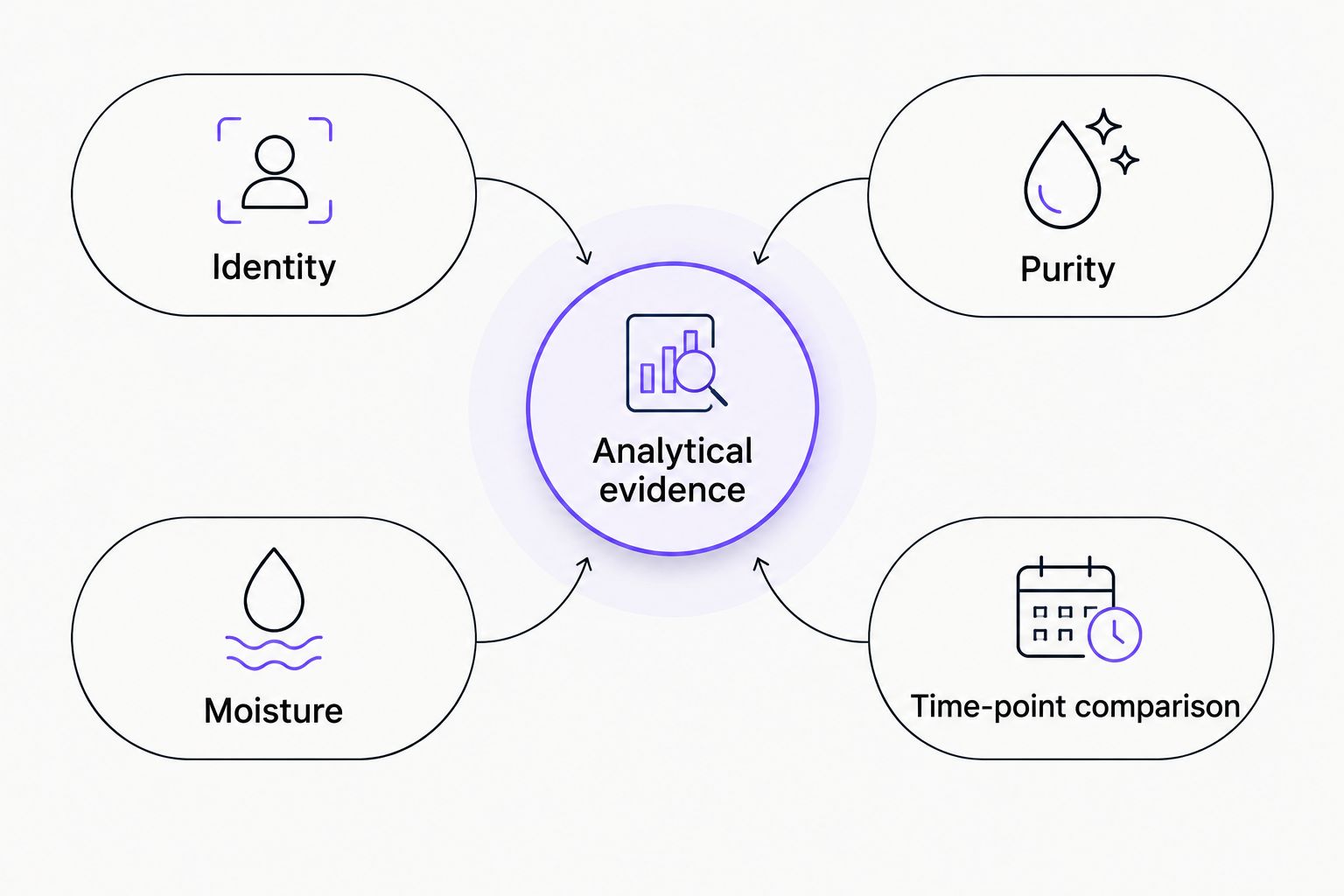
Identity, purity, and moisture answer different questions
Identity asks whether the intended compound is present. Purity asks how the reported analytical method characterizes other detectable components. Moisture characterization addresses a separate physical attribute of the dry material.
None of these measurements replaces the others. Their interpretation depends on the method, reporting basis, and material being assessed.
| Evidence | Question it addresses | What it does not establish alone |
|---|---|---|
| Mass spectrometry | Is the observed mass consistent with the intended material? | Complete purity or long-term stability |
| HPLC | What chromatographic components are detected under the method? | Water content or definitive identity by itself |
| Moisture analysis | What water content does the method report? | Absence of chemical degradation |
| Time-point comparison | How do measured attributes change under defined conditions? | Performance outside those conditions |
| Temperature record | What thermal exposure was recorded? | Whether that exposure changed the peptide |
Formulation and packaging define the comparison
A peptide name alone is not a complete material description. Chemical form, formulation components, residual moisture, and container closure can affect the relevance of a stability report.
The same scope discipline applies to diagnostic reagent stability: evidence must describe the formulation and packaging being evaluated. A conclusion about one preparation does not establish the behavior of a different preparation.
Do not transfer results between related peptides. Shared sequence features or a common research pathway do not make their analytical stability interchangeable.
Applying the criteria to listed research peptides
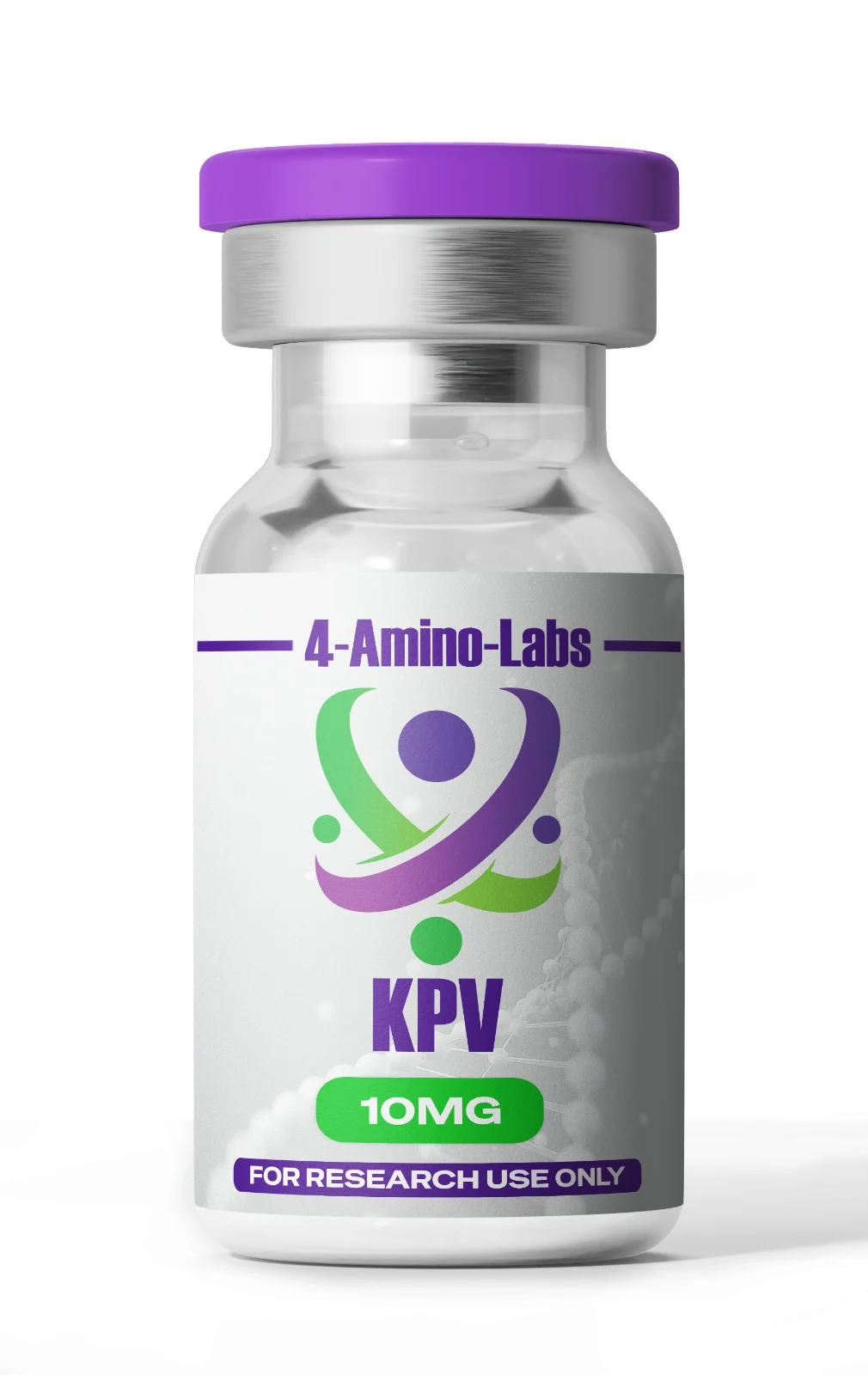
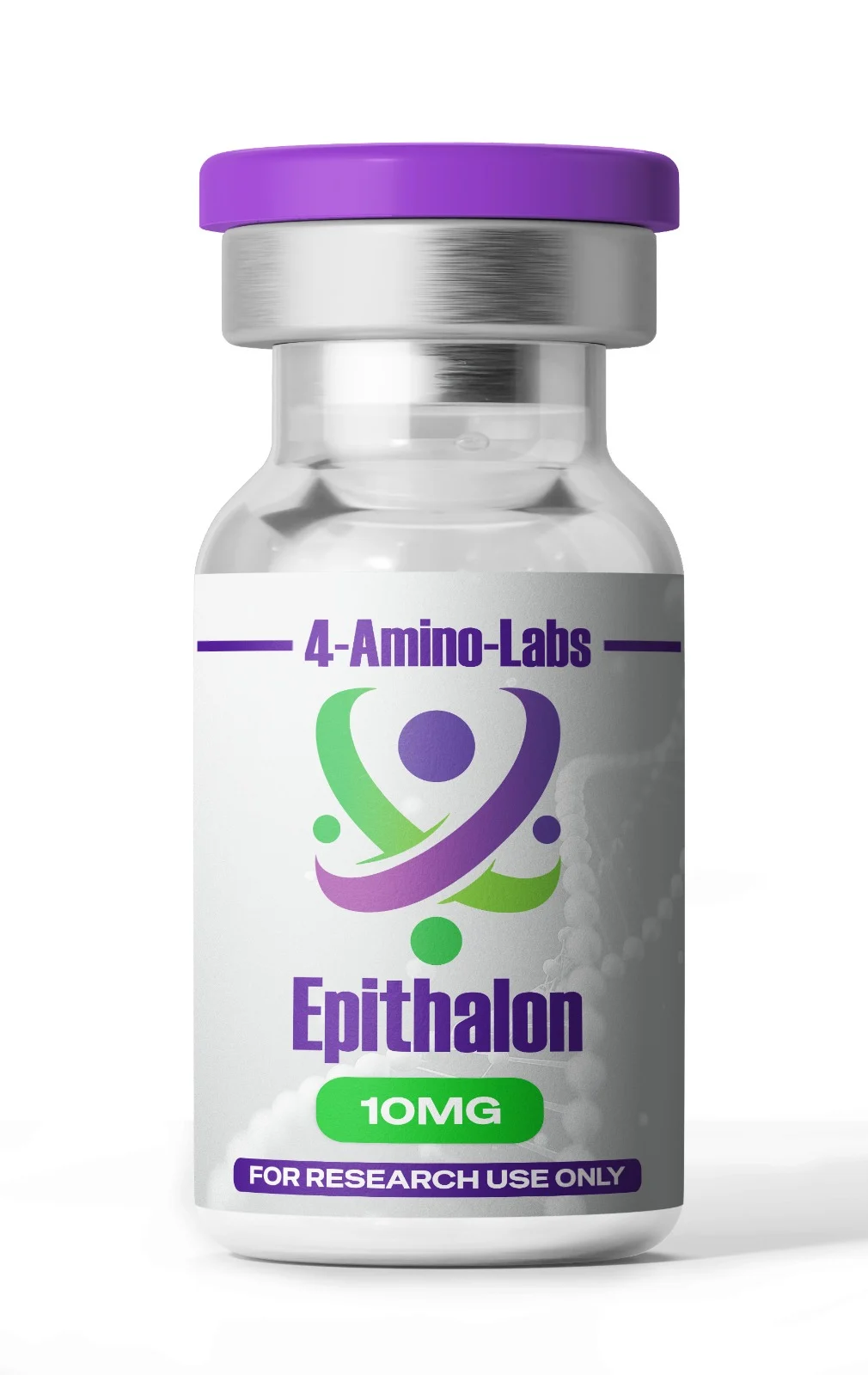
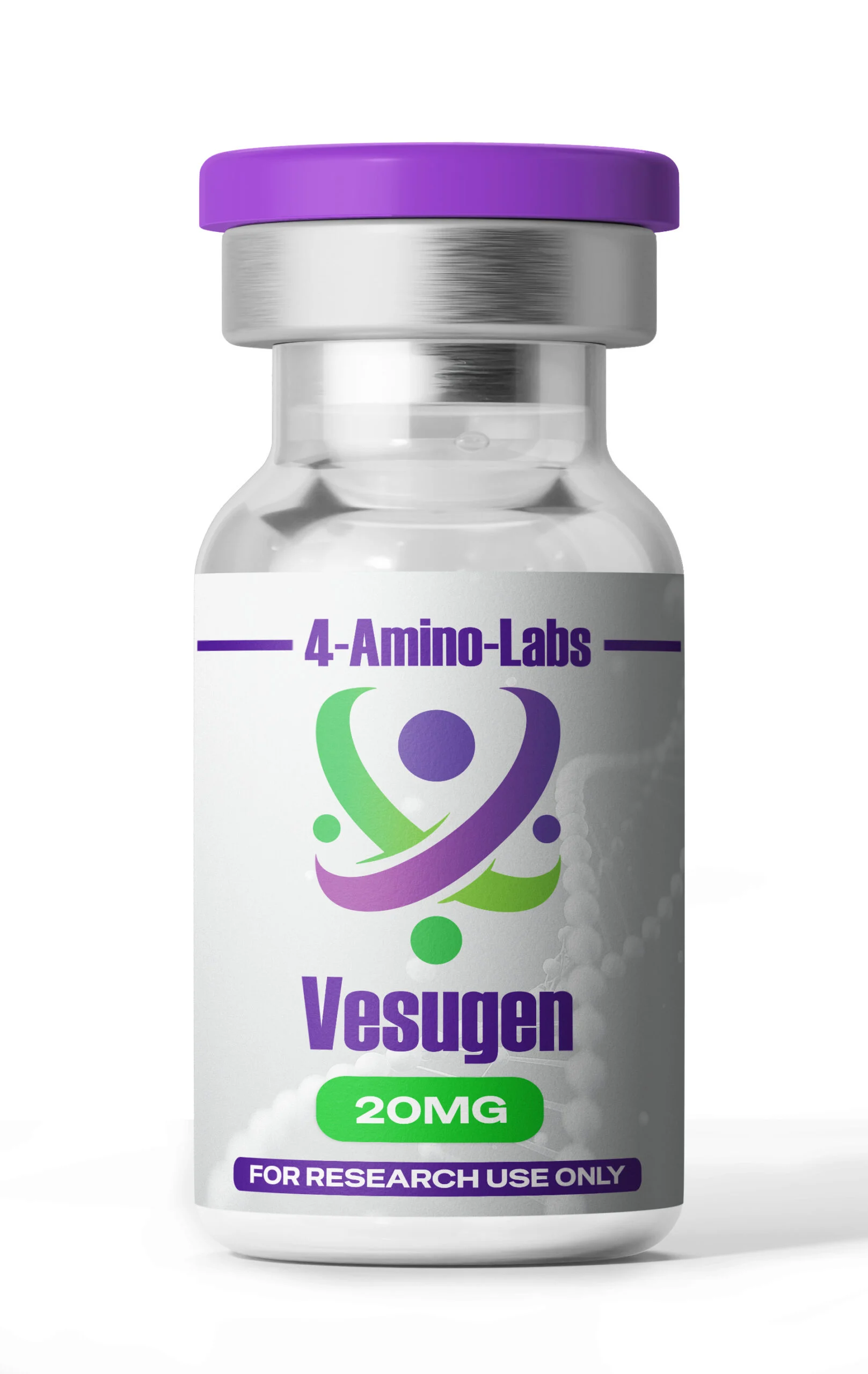
The 4aminolabs catalog descriptions illustrate why specifications and stability evidence need separate columns. KPV and Epithalon are described as 10 mg lyophilized materials with HPLC purity specifications of ≥98%; Vesugen is described as a 20 mg lyophilized material with the same stated threshold.
Those are product-description claims, not a comparative stability study. The listed specifications do not establish which peptide remains within specification longer.
| Listed research material | Stated presentation | Stated analytical specification | Stability question still to resolve |
|---|---|---|---|
| KPV | 10 mg lyophilized material | ≥98% purity verified by HPLC | Which conditions and time points support the storage statement? |
| Epithalon | 10 mg lyophilized material | ≥98% purity verified by HPLC | Does evidence match the supplied formulation and packaging? |
| Vesugen | 20 mg lyophilized material | ≥98% purity verified by HPLC | Are supporting results linked to the relevant material and lot? |
These 4aminolabs research peptides are sourcing candidates for their respective laboratory questions, not interchangeable alternatives. Select the compound required by your research objective before comparing its documentation.
How the documentation profiles are ranked
The order reflects how directly each evidence package answers a stability question. Time-dependent, material-relevant measurements rank above a release snapshot; a traceable release snapshot ranks above a general catalog statement.
This is a documentation hierarchy, not a supplier performance study. It assigns no numerical scores, shelf-life estimates, or unsupported advantages to named vendors.
For your 2026 review, use the same questions across suppliers:
- Does the report identify the material and its relationship to the supplied lot?
- Do the formulation and container closure match?
- Are storage conditions and sampling points explicit?
- Are methods, results, and acceptance criteria available?
- Does the conclusion remain within the tested scope?
Which supplier should your laboratory choose?
Choose the supplier whose documentation supports your specific material, storage conditions, and analytical requirements. Default to the strongest relevant evidence package, not the broadest catalog or highest isolated purity claim.
Keep release qualification and storage qualification as separate decisions. If a supplier provides only release evidence, document that boundary instead of treating the absence of a stability trend as proof of stability.
For 4aminolabs procurement reviews in 2026, request applicable batch documentation before assigning a stability-based preference. A listed HPLC specification is a qualification input, not the final verdict.
Limitations
This guide compares documentation types and explicit catalog specifications. It does not report independent testing, review supplier stability dossiers, or establish a shelf life for any listed material.
Analytical requirements depend on the research question and material characteristics. No single assay, visual inspection, or shipping record establishes every relevant quality attribute.
FAQ
What should lyophilized peptide suppliers stability documentation include?
Stability documentation should identify the material, relevant batch relationship, formulation, packaging, storage conditions, sampling points, methods, results, and acceptance criteria. A release COA alone does not establish change over time.
Does HPLC purity prove that a peptide is stable?
No. An HPLC purity result characterizes a sample under a particular method; stability requires comparison over time under defined conditions.
Is lyophilized peptide material automatically stable at room temperature?
No. A lyophilized presentation alone does not establish room-temperature stability. Interpret storage claims using compound-specific evidence that matches the formulation and packaging.
Is a certificate of analysis the same as a stability report?
No. A release certificate records reported release attributes, while a stability report evaluates measured attributes across time and conditions. A document can contain both, but its contents determine its scope.
Can I compare different peptides using their purity percentages?
Purity percentages alone do not establish comparable stability between different peptides. Sequence, formulation, analytical method, packaging, and study conditions must also be considered.
Does a temperature logger prove that research peptides remained within specification?
No. A temperature logger records thermal exposure, not peptide condition. Interpreting that exposure requires relevant stability evidence or analytical assessment.
Which supplier documentation profile should a laboratory prioritize?
Prioritize a batch-linked stability package when storage-dependent conclusions matter. Confirm that the evidence applies to the material, formulation, packaging, and conditions under review.
One last thing
A visually intact lyophilized cake is not an analytical stability result. Record appearance, but do not let an unchanged appearance override chemical measurements or replace missing time-dependent evidence.
Related guides
- Connecting batch numbers to lab inventory tracking
- Tracking cold-chain peptide shipping
- Research peptide storage and cold-chain workflow
Research use only. All materials discussed are intended strictly for laboratory research, not human or animal use. This content is not medical advice and is not intended to diagnose, treat, cure, or prevent disease.