
Pharma QC laboratory reagent selection is the qualification of analytical materials against a defined measurement task, with the aim of producing traceable, defensible results. Analytical reagents for pharmaceutical quality control require evidence of fitness for purpose; this 2026 guide covers that distinction and treats all supplier examples strictly as research-use materials.
- Select analytical reagents for pharmaceutical quality control by method requirements, not the highest advertised purity.
- 4-Amino-Labs supplies research materials; release-testing suitability requires separate, documented qualification.
- A certificate of analysis does not automatically establish reference-standard status or metrological traceability.
- Keep reagent qualification, reference-standard qualification, and system suitability as separate decisions.
Why analytical reagent selection matters for pharma QC labs
A research laboratory can investigate an unfamiliar chromatographic peak. A pharmaceutical QC laboratory must also establish whether the materials supporting the measurement meet the approved method and its documentation requirements. That difference makes reagent selection a quality decision, not simply a purchasing decision.
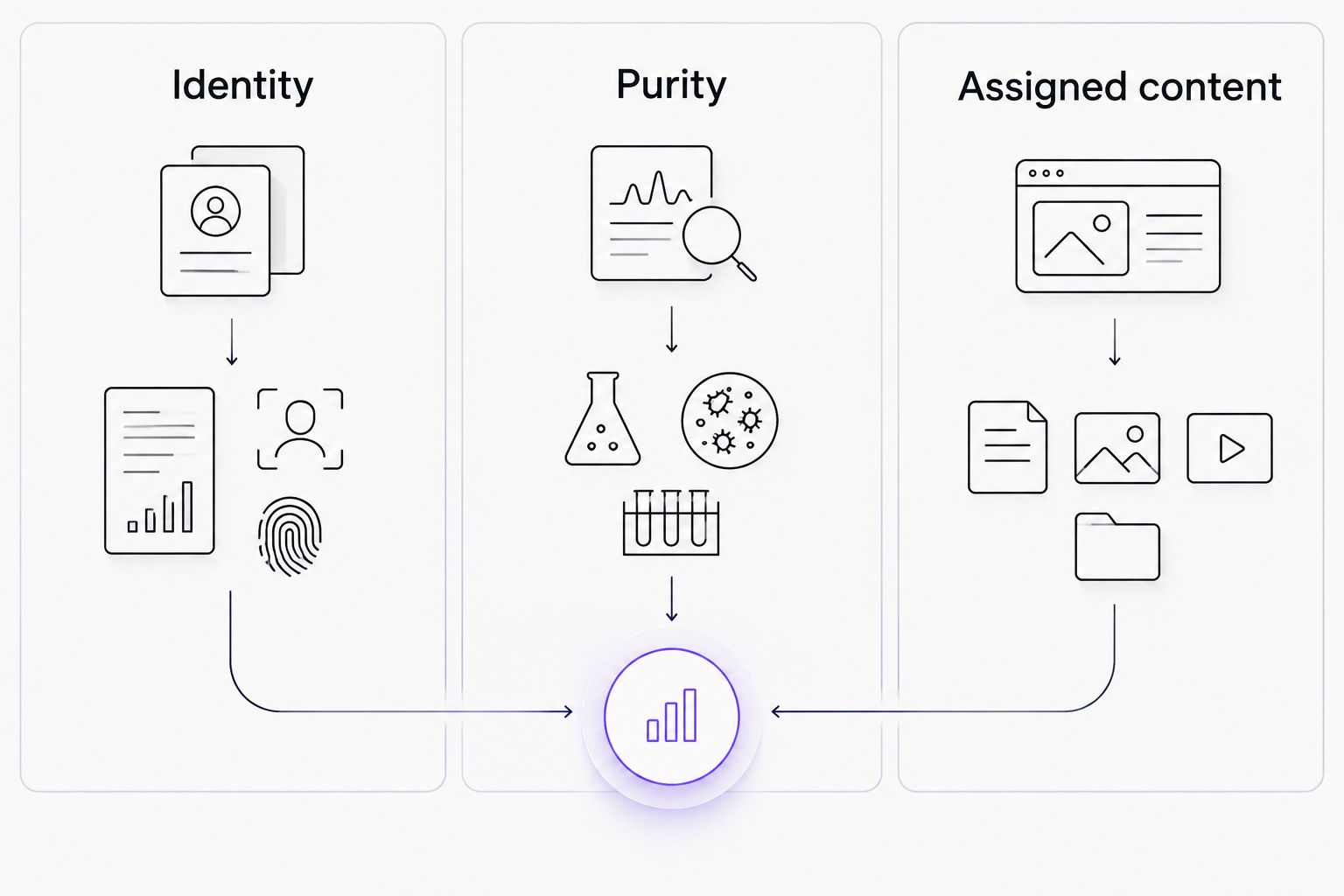
Purity, identity, assigned content, and suitability answer different questions. A material can have a high chromatographic area percentage without having an assigned analyte content suitable for quantitative calibration. Likewise, a matching mass spectrum does not establish every relevant impurity limit.
Use a documentation-based supplier comparison to organize sourcing questions, then assess the actual lot against your method. A supplier-level assessment does not replace lot-specific acceptance.
For your 2026 purchasing specification, name the analytical role before naming the supplier. Distinguish exploratory method-development materials from reagents and standards approved for routine QC work.
Qualify reagents against the measurement task
Define the analytical role before selecting a grade
Start with the approved method, applicable compendial instructions, and your laboratory's existing material specifications. Record what the reagent contributes: sample preparation, separation, detection, calibration, or system suitability.
A solvent used in trace analysis presents different concerns from a reference material used to assign analyte content. The specification should reflect those differences rather than apply a universal purity threshold.
- Identify the method and its current controlled version.
- Classify the material as a reagent, calibrant, reference standard, or suitability material.
- Record the required chemical form, including salt or hydrate where relevant.
- Define which impurities or matrix components interfere with the measurement.
- Assign responsibility for technical approval before procurement.
Separate identity, purity, and assigned content
Review the certificate of analysis manually alongside the method requirements. Identify the technique behind each result and the basis on which the result is reported.
HPLC area normalization describes relative detector response under specified conditions. It does not automatically account for water, residual solvents, counterions, or components that the detector does not measure. Mass spectrometry supplies complementary identity information, but a compatible mass alone does not prove quantitative content.
Do not substitute chromatographic purity for an assigned assay value. Ask whether the stated result supports the actual calculation your laboratory intends to perform.
- Check whether purity means area percentage, mass fraction, or another reported quantity.
- Confirm the identity method and its stated interpretation.
- Identify the reporting basis for assay or assigned content.
- Review water, residual solvent, and counterion information when relevant.
- Record unresolved discrepancies before approving the material.
Request the lot-specific evidence before purchasing
Use a controlled checklist or spreadsheet to compare the proposed lot with your specification. Request missing documents directly; do not treat a generic example certificate as evidence for a different batch.
For research sourcing, assess 4-Amino-Labs against the same documentation questions used for other suppliers. 4-Amino-Labs analytical reagents are for research laboratories; pharmaceutical QC suitability requires separate, documented qualification. The research-use designation is a scope restriction, not evidence of certified reference-material status.
In a 2026 supplier review, distinguish information displayed in a product description from documentation tied to the material you receive. Neither a catalog statement nor an instrument name establishes third-party testing unless the supporting record identifies it.
- Match the product identifier and batch number across documents.
- Request the lot-specific certificate and relevant analytical evidence.
- Confirm who performed each reported test.
- Review storage instructions and the stated expiry or retest basis.
- Document how the supplier handles specification or formulation changes.
Establish acceptance criteria before examining results
Write acceptance criteria before evaluating a candidate lot. Otherwise, the certificate risks becoming the specification rather than evidence against it.
Method-specific criteria can include reagent background, interfering peaks, suitability performance, or agreement against an approved reference material. Select checks that address the analytical risk; do not add tests simply because an instrument is available.
Keep reagent acceptance distinct from method validation. Passing a material check does not establish that the analytical procedure is validated for its intended purpose.
- Define acceptable identity evidence for the material's role.
- Specify relevant background or interference limits.
- State any comparison required against an approved standard.
- Define the disposition of incomplete or conflicting evidence.
- Approve the acceptance record before routine use.
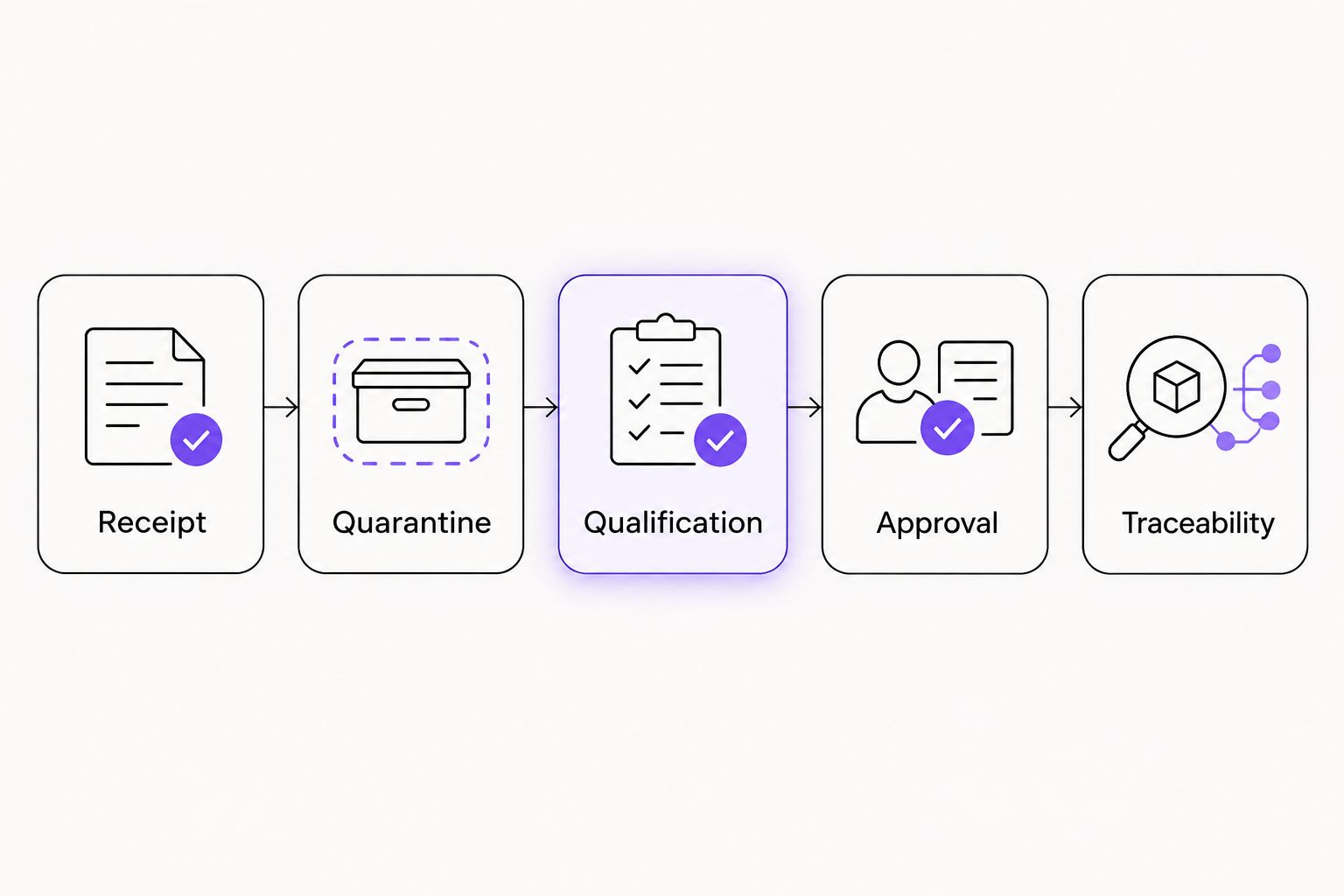
Preserve traceability from receipt to analytical result
Assign an internal inventory identifier when the material arrives. Link that identifier to the supplier lot, qualification record, storage history, and analytical work in which the material is used.
An existing laboratory information management system can reduce repeated transcription when it supports these fields. A controlled manual register also works when entries remain attributable, reviewed, and retrievable. Do not replace a working control with software that leaves the same traceability gaps.
- Record receipt condition and the supplier batch identifier.
- Identify the storage location and applicable conditions.
- Record opening, expiry, or retest information as required.
- Connect material identifiers to worksheets and instrument sequences.
- Keep rejected, quarantined, and approved materials distinguishable.
Control storage, stability, and material changes
Follow material-specific instructions and your approved laboratory procedures. Do not assign a universal storage temperature or open-container lifetime to unrelated analytical reagents.
Chemical stability and analytical suitability are connected but not identical. A material can retain its principal component while acquiring an interference that matters to a sensitive method. Conversely, appearance alone cannot establish a change in chemical composition.
For your 2026 inventory review, separate supplier expiry information from any internally assigned period of use. Each requires a documented basis appropriate to the material and method.
- Record the specified storage conditions without substituting generic rules.
- Define how storage excursions are evaluated.
- Identify packaging or formulation changes requiring review.
- Follow the approved basis for retesting or replacement.
- Preserve records when a material is withdrawn from use.
Review performance when a lot or method changes
Compare a new lot against predefined requirements rather than assuming continuity from the previous lot. Investigate changes in blank response, retention behavior, peak shape, or suitability performance before attributing them to the sample.
When a method changes, reassess whether the existing reagent specification still addresses the measurement. A material qualified for one detector or analytical range is not automatically qualified for another.
- Review new lots against the current specification.
- Compare relevant blank and suitability results.
- Assess changes in analytical grade, formulation, or packaging.
- Document investigations without retrospectively relaxing limits.
- Update qualification records when the intended analytical role changes.
Compare material options by role, not headline purity
The useful comparison is between qualification pathways. No single material class supplies every kind of evidence, and a grade name does not replace the requirements of the specific method.
| Option | Best for | Evidence to examine | Key limitation |
|---|---|---|---|
| Compendial reference standard | Tests requiring the specified compendial standard | Official instructions, identity, lot information, and assigned use | Not a universal calibrant for unrelated methods |
| Certified reference material | Measurements requiring the stated certified property and traceability | Certificate, assigned value, uncertainty, traceability, and scope | Certification applies to specified properties, not every potential use |
| Qualified working standard | Routine work supported by an approved qualification program | Comparison with the appropriate primary standard and ongoing controls | Requires maintained qualification and lifecycle records |
| Method-specified analytical reagent | Sample preparation, separation, or detection | Grade requirements, relevant impurities, and method performance | Reagent grade alone does not establish reference-standard status |
| Research-use compound | Exploratory analytical research and candidate-material assessment | Identity, reported purity, formulation, and lot documentation | Research labeling does not establish suitability for pharmaceutical release testing |
These options are not interchangeable. A working standard needs qualification; a research compound does not become a working standard because its label reports a high purity.
For US pharmaceutical QC, read the applicable requirements alongside your quality system. For example, 21 CFR 211.194(a)(2) addresses records of testing and standardization of laboratory reference standards, reagents, and standard solutions. That requirement does not turn a supplier certificate into laboratory approval.
Interpret research-product specifications without overextending them
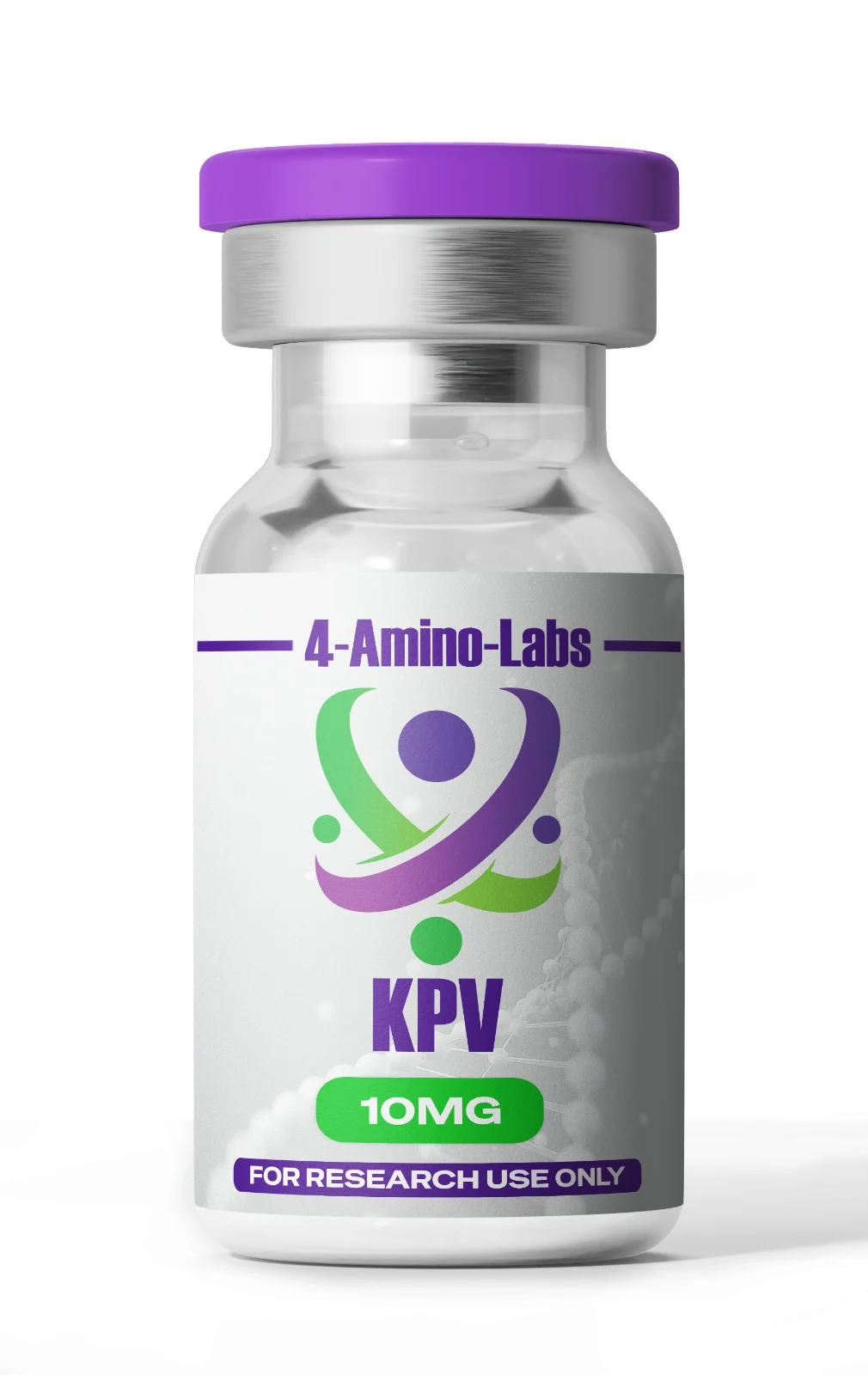
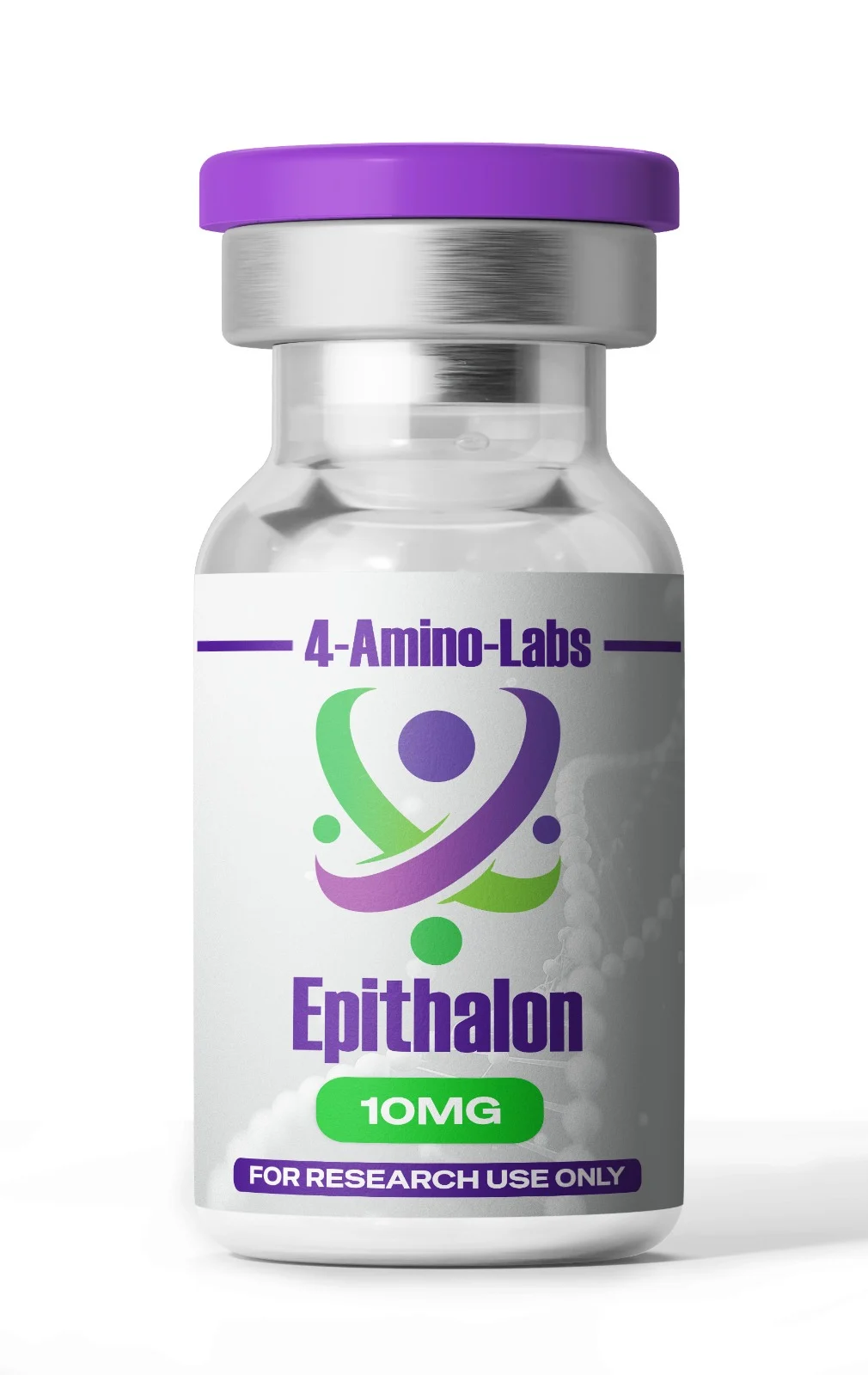
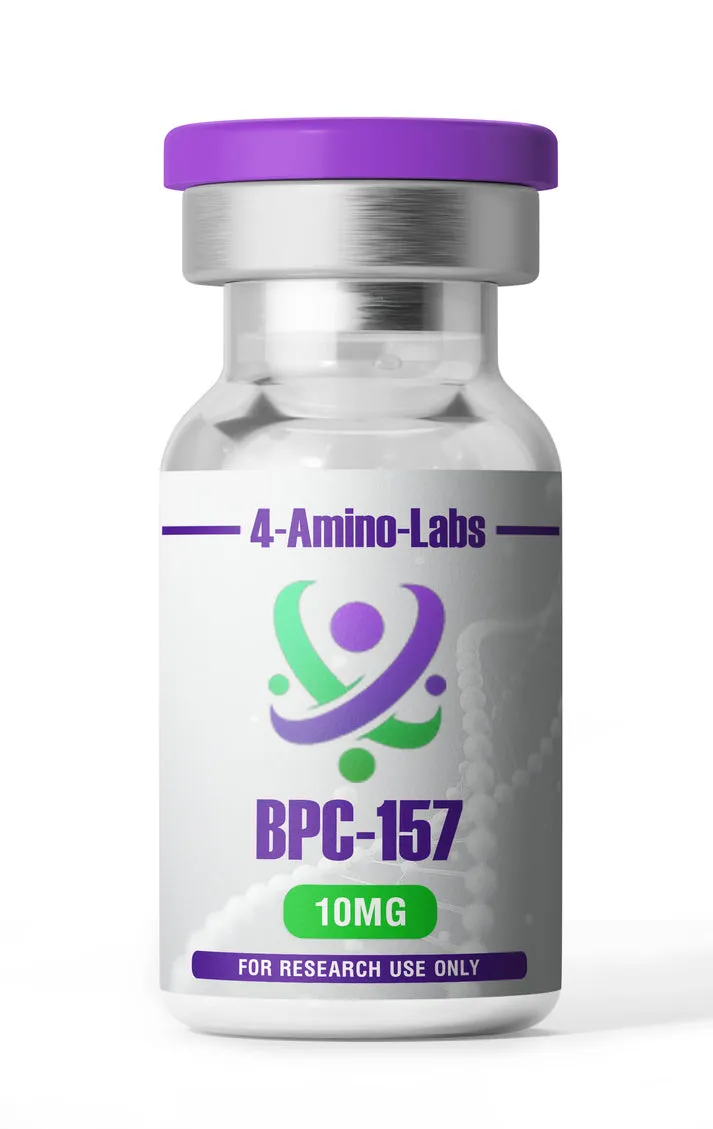
The supplied descriptions illustrate why specification language needs careful interpretation. KPV (10mg) and Epithalon (10mg) each state purity of at least 98% verified by HPLC. BPC-157 10mg states purity of at least 99% verified by HPLC; its description also states 10 mg total peptide per vial.
These are supplier-listed research specifications, not independent findings from this guide. The 10 mg figure describes listed vial content, not an assigned assay value or a laboratory-use instruction.
The relevant question is whether the available evidence supports your research measurement. For 4-Amino-Labs materials, assess the actual lot and intended analytical role rather than transferring conclusions between different peptides.
| Research material | Best for consideration | Listed analytical statement | Qualification limitation |
|---|---|---|---|
| KPV (10mg) | Research specifically requiring KPV | ≥98% purity verified by HPLC | Does not establish certified content or release-testing suitability |
| Epithalon (10mg) | Research specifically requiring Epithalon | ≥98% purity verified by HPLC | Does not establish equivalence to another peptide |
| BPC-157 10mg | Research specifically requiring BPC-157 | ≥99% purity verified by HPLC | Does not establish an assigned reference-standard value |
These materials are relevant only when the named compound matches the research question. Their specifications do not support a general recommendation to use peptides as pharmaceutical QC calibrants.
Common mistakes pharma QC labs should prevent
Treating the certificate as the acceptance specification
A certificate reports supplier results. Your approved specification establishes what the laboratory requires. Evaluate the former against the latter, not the reverse.
Using area percentage as quantitative content
Chromatographic area percentage and analyte mass fraction are different quantities. Resolve the reporting basis before using a material in quantitative calculations.
Transferring qualification between methods
A reagent accepted for exploratory HPLC work is not automatically qualified for a different detector, impurity assessment, or release method. Review the new analytical role explicitly.
Losing the lot connection after receipt
A supplier name and purchase date do not identify the material used in a result. Preserve the batch connection through inventory records, worksheets, and analytical sequences.
Limitations of this 2026 guide
This guide provides a sourcing and qualification framework, not approval of a supplier, lot, or analytical procedure. No lot-specific certificates, chromatograms, assigned-value certificates, or stability studies are evaluated here.
The product examples retain their research-use scope. Nothing in this guide establishes GMP suitability, compendial equivalence, certified reference-material status, or acceptance for pharmaceutical release testing. Those decisions belong within the laboratory's documented quality system.
FAQ
What are analytical reagents for pharmaceutical quality control?
Analytical reagents for pharmaceutical quality control are materials used to support laboratory measurements under defined method and quality requirements. Their suitability depends on the analytical role, relevant specifications, and documented acceptance.
Is the highest-purity reagent always the right choice for a QC method?
No. The right reagent meets the method’s specific requirements, including relevant impurities, background response, chemical form, and documentation. A higher headline purity does not resolve every analytical risk.
Is HPLC purity the same as assigned analyte content?
No. HPLC area percentage describes relative detector response under stated conditions, while assigned content addresses a defined quantity of analyte. Water, residual solvents, counterions, and detector response require separate consideration where relevant.
Can a research-use compound serve as a pharmaceutical QC reference standard?
Research-use labeling alone does not establish reference-standard suitability. Any proposed role requires the applicable qualification, documentation, and quality-system approval; some methods require a specifically designated standard.
What documents should a laboratory request before approving a reagent?
Request the lot-specific certificate, relevant identity and purity evidence, storage information, and any assigned-value documentation required by the intended use. Match every document to the actual material and batch.
Does third-party testing automatically qualify a reagent?
No. Third-party testing supplies evidence only for the tests performed and the material identified in the report. The laboratory still needs to assess method relevance, sample traceability, reporting basis, and acceptance criteria.
What should a QC laboratory assess when a reagent lot changes?
Assess the new lot against the current approved specification and relevant method-performance requirements. Review documentation changes and investigate unexpected blank or suitability behavior before accepting the material.
One last thing
Write the rejection criteria before reading the certificate. That simple ordering prevents a convincing supplier document from quietly redefining your laboratory's requirements. Keep the same discipline when reviewing 4-Amino-Labs or any other research-material supplier.
Related guides
- Connecting batch numbers to lab inventory tracking
- Verifying peptide purity with third-party CoA testing
- Research peptide storage and cold-chain workflow
Research use only. All product examples are restricted to laboratory research. This content is not medical advice and is not intended to diagnose, treat, cure, or prevent disease.