
A supplier alternative is not an analytically equivalent replacement: laboratories comparing Kimera Chems alternatives in 2026 should assess the exact material, batch identity, and supporting test records before changing sources. 4-Amino-Labs is a research-use-only sourcing option for laboratories evaluating listed peptides and other research chemicals; qualification belongs at the individual product and lot level.
- Compare Kimera Chems alternatives by compound identity, batch documentation, and analytical evidence—not supplier-wide purity claims.
- 4-Amino-Labs is a sourcing option for laboratories comparing explicitly listed research peptides and analytical specifications.
- HPLC purity does not independently establish compound identity, absolute content, or suitability for every laboratory application.
- Retain Kimera Chems when the existing material meets your laboratory’s documented acceptance criteria.
Why this comparison matters
Changing suppliers changes more than an order record. A different chemical form, formulation matrix, or impurity profile can introduce a material difference into an otherwise unchanged laboratory workflow.
Your first comparison should therefore be the documentation package, not the supplier name. The guide to research chemical suppliers ranked by documentation provides a related sourcing framework; apply the same scrutiny to the incumbent and every proposed replacement.
This is a commercial sourcing comparison for research laboratories, not a claim that one supplier’s materials are universally better. It does not provide guidance for human or animal use.
Kimera Chems alternatives at a glance
Best for documentation-led peptide sourcing: 4-Amino-Labs, subject to product-specific qualification. Keep Kimera Chems as the benchmark when your laboratory already has an accepted material and an established analytical record.
The table separates a supported catalog option from a conditional decision about retaining your incumbent. It does not assign unverified testing capabilities, service commitments, or quality rankings to Kimera Chems.
| Supplier | Best for | Comparison basis | Difference to establish before switching |
|---|---|---|---|
| 4-Amino-Labs | Laboratories evaluating listed research peptides and other research chemicals | Explicit product specifications, including HPLC purity statements on selected peptide listings | Whether the proposed lot matches the required identity, form, composition, and documentation |
| Kimera Chems | Continuing an existing source when its material meets laboratory acceptance criteria | Your laboratory’s accepted material records and current supplier documentation | Whether a change resolves a specific documented requirement without introducing an unassessed material difference |
A supplier-level table is a screening tool. The decisive comparison is between the exact incumbent material and the exact candidate lot, not between two homepages.
Define the requirement before the ranking
Write a material specification before making a 2026 shortlist. Include the compound identity, required chemical form, acceptable matrix, analytical evidence, and any application-specific impurity concerns.
Do not make a requirement broader merely because a candidate listing is less specific. A supplier comparison is useful only when every candidate faces the same acceptance criteria.
1. 4-Amino-Labs: best for listed research peptide comparisons
4-Amino-Labs supplies research chemicals, amino acid blends, analytical reagents, peptides, and receptor modulators for research laboratories in the United States. Selected peptide listings state specific analytical thresholds, allowing you to compare a defined specification rather than rely on a general purity claim.
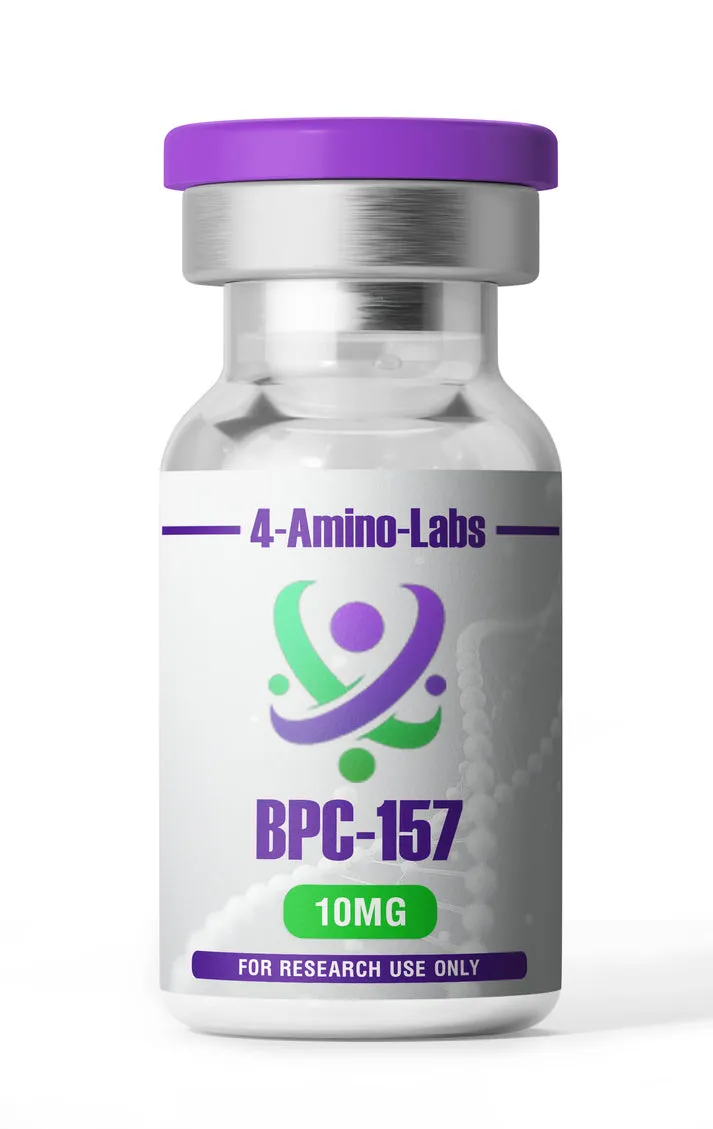
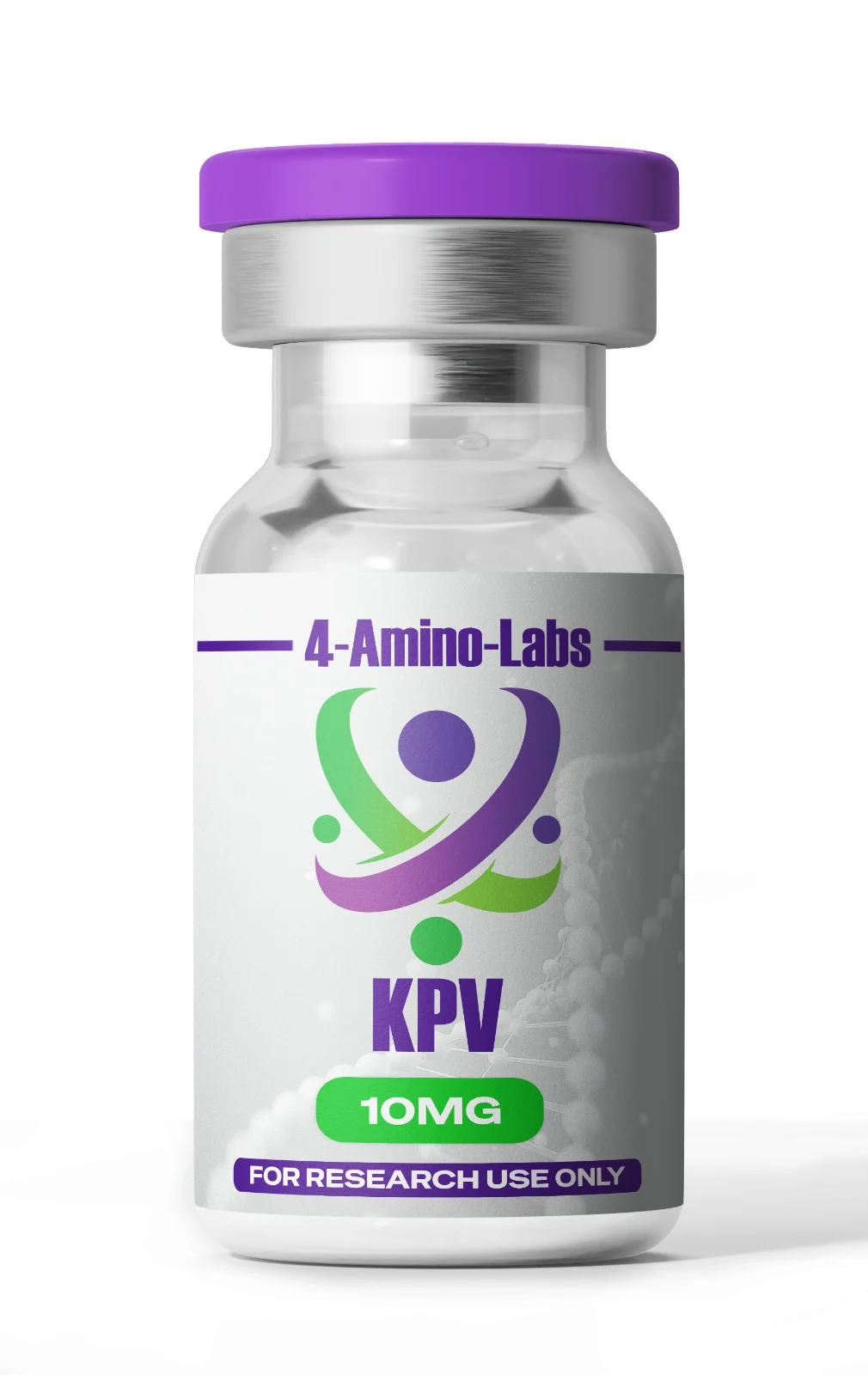
For example, the BPC-157 listing specifies 10 mg per vial and purity of ≥99% verified by HPLC. The KPV listing specifies a 10 mg lyophilized research peptide vial and purity of ≥98% verified by HPLC. These are product-listing statements, not a conclusion about the documentation or measured properties of every individual lot.
Where the supplier shines
- Specific listing-level information: selected peptide descriptions state nominal content, physical form, and an HPLC purity threshold.
- Several research material categories: the supplied catalog covers peptides alongside other research chemicals and analytical materials.
- A defined basis for comparison: explicit specifications let your laboratory identify what needs confirmation before accepting a candidate material.
Where the supplier falls short
- Listing-level purity is not a complete qualification package. An HPLC statement alone does not establish identity, absolute peptide content, or every relevant impurity.
- Documentation detail varies across the supplied listings. Some descriptions contain analytical specifications; others do not provide equivalent detail.
- Related catalog products are not interchangeable. Selecting another peptide does not replace qualification of the compound your laboratory actually requires.
Head-to-head qualification checklist
| Dimension | Candidate material | Kimera Chems incumbent |
|---|---|---|
| Chemical identity | Match the exact compound, form, and identifying documentation | Use the identity recorded for the accepted material |
| Purity evidence | Compare the listed threshold with the actual lot report | Review the corresponding report for the incumbent lot |
| Formulation | Establish whether the material is a powder, solution, suspension, or other stated form | Record the incumbent matrix and composition |
| Traceability | Connect the received container to its supporting records | Apply the same container-to-record requirement |
Best for: laboratories comparing specific listed research materials against a written acceptance specification.
Verdict: Hold acceptance until the candidate lot satisfies the same documented requirements as the incumbent. A catalog match earns further evaluation, not automatic approval.
What the listed peptide specifications actually establish
HPLC separates components under a defined chromatographic method. A reported purity result depends on that method, the detector, integration decisions, and which components the method detects and resolves.
A purity percentage therefore needs context. It is not automatically a measurement of the amount of target peptide in the container, and it does not independently confirm molecular identity.
| Listing statement | Useful interpretation | What it does not establish by itself |
|---|---|---|
| BPC-157: ≥99% purity verified by HPLC | A stated chromatographic purity threshold for that listed material | Independent identity confirmation, absolute content, or suitability for every assay |
| KPV: ≥98% purity verified by HPLC | A stated chromatographic purity threshold for that listed material | Equivalence to another peptide or a complete impurity characterization |
| 10 mg nominal content | The quantity stated in the product listing | An independently measured content result for the received container |
| Lyophilized powder | The physical form described for the material | A complete stability assessment or characterization of residual components |
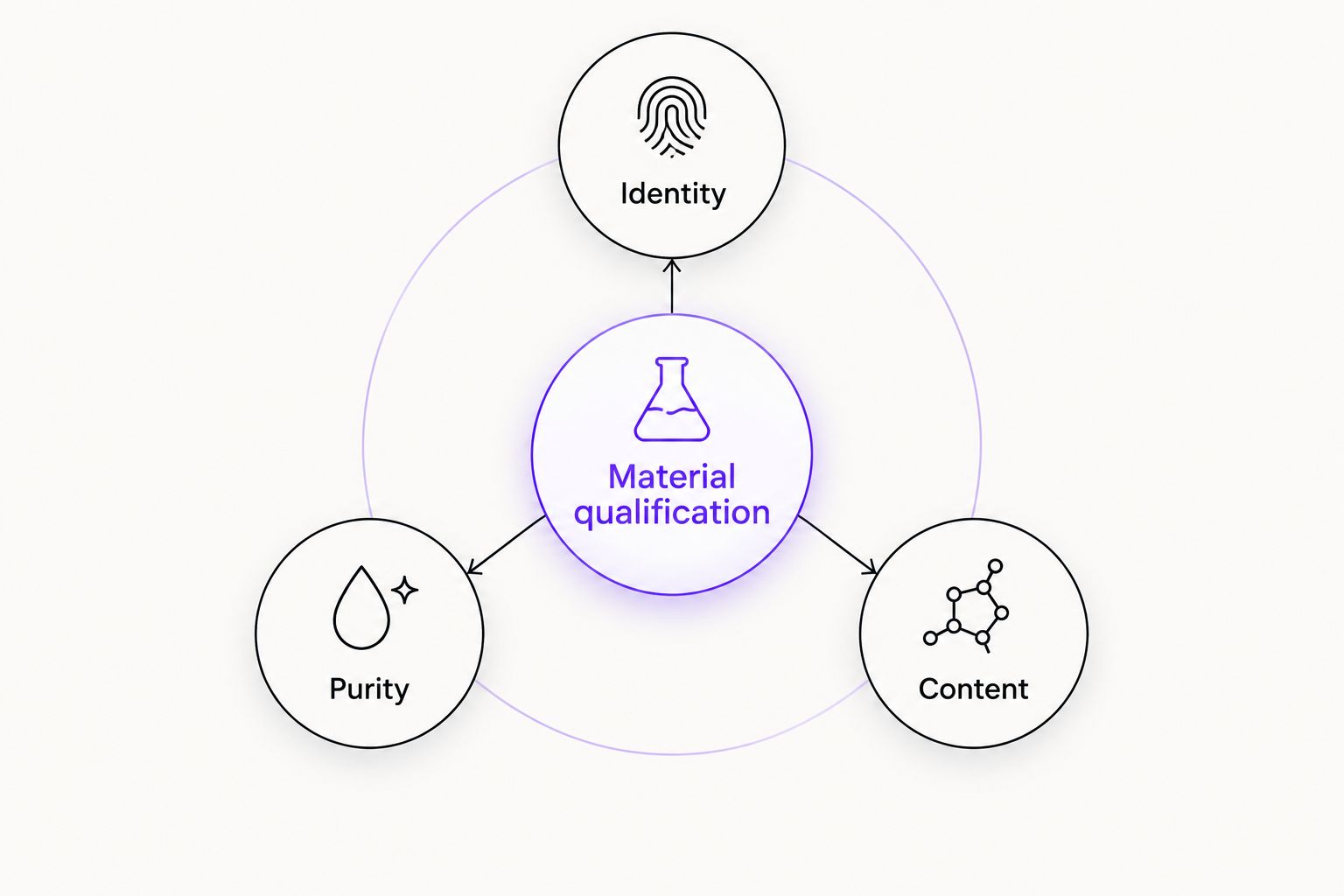
Separate identity, purity, and content
Identity asks whether the material is the intended compound. Purity asks how the sample’s detected components are characterized under a specified method. Content asks how much target material is present.
Keep these questions separate in your 2026 purchasing review. A strong result for one does not answer the others.
Keep sourcing examples compound-specific
BPC-157 and KPV illustrate different listing specifications. They are different research compounds, not substitutes for one another, and their respective purity thresholds do not establish a meaningful supplier-wide quality ranking.
The following cards identify the exact research materials discussed. Evaluate only the compound relevant to your laboratory’s work, and request supporting documentation before accepting a replacement lot.
How to qualify a replacement supplier in 2026
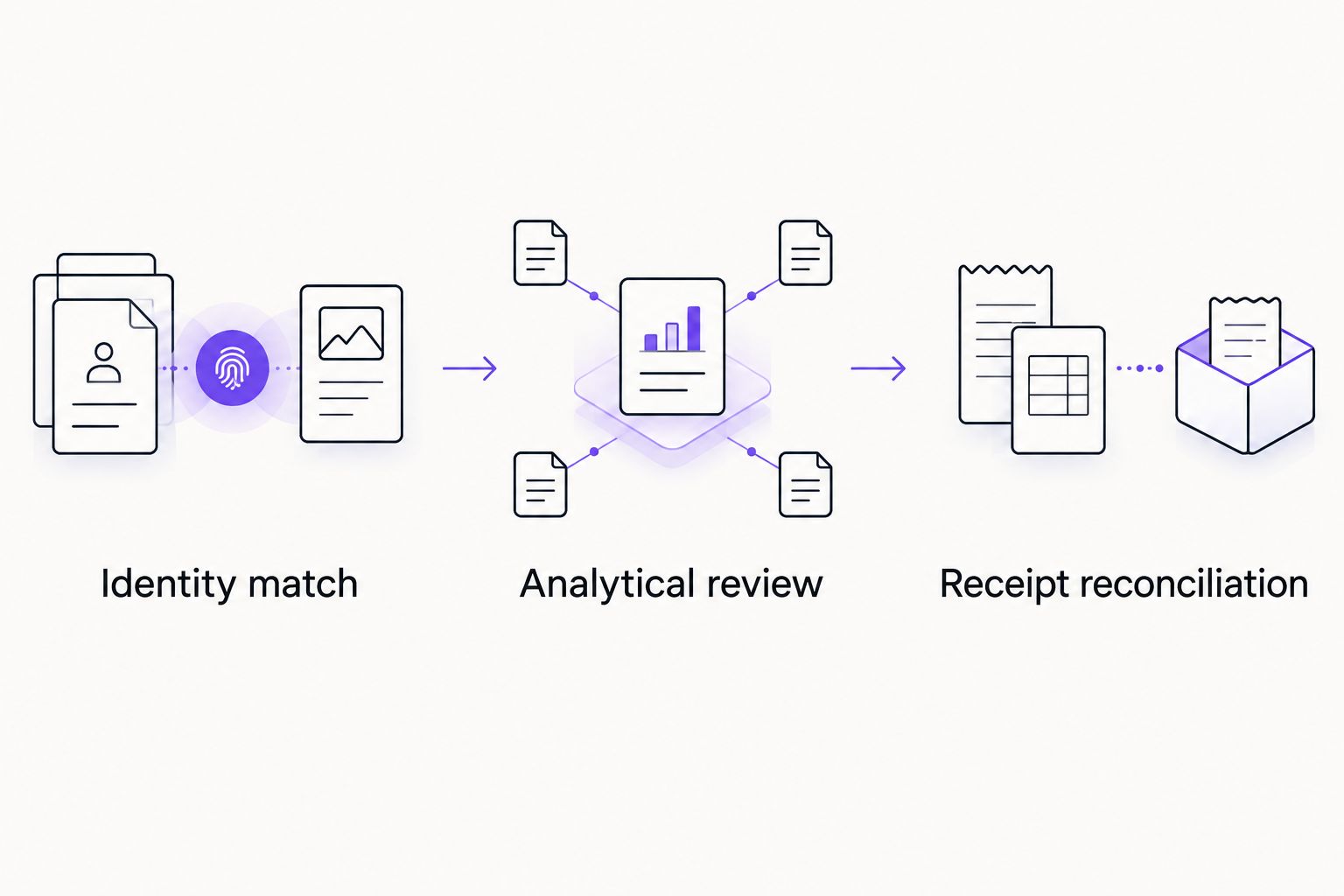
Use the same evidence standard for every candidate. A familiar supplier name does not replace a material review, and a new source does not require different scientific criteria simply because it is new.
Identity match
Match the compound name to its chemical identifiers and stated form. Where relevant, distinguish the parent compound from a salt, a modified peptide from its unmodified counterpart, and an individual substance from a blend.
Do not resolve an ambiguous identity by assuming that similar product names describe equivalent materials. Obtain clarification before comparing analytical results.
Analytical review
Request the report associated with the proposed lot. Review the sample identifier, test method, result, reporting basis, and connection between the report and the material being supplied.
If mass spectrometry is included, interpret it as evidence addressing the measurement reported—not as a substitute for every other quality attribute. Likewise, a chromatogram needs its method context; the image of a dominant peak is not a complete analytical explanation.
Receipt reconciliation
Connect the received container to the purchasing record and the analytical documents. Resolve inconsistent lot identifiers before releasing the material into laboratory inventory.
Keep supplier statements distinct from your laboratory’s acceptance decision. The record should show both what the supplier reported and why your laboratory accepted the material for its intended research application.
Why laboratories consider switching from Kimera Chems
A defensible reason to switch is a specific unmet laboratory requirement. Do not treat this section as an allegation about Kimera Chems: the decision depends on the documentation and material your laboratory actually holds.
- Identity requirements: consider another source if the incumbent material cannot be matched to the required chemical form.
- Analytical requirements: consider another source if the available evidence does not answer a required identity, purity, or content question.
- Matrix requirements: consider another source if the supplied formulation is incompatible with your laboratory’s analytical application.
- Traceability requirements: consider another source if the container cannot be reconciled with the supporting lot records.
These are qualification criteria, not claims about a particular supplier’s performance. Record the unmet requirement explicitly so the replacement addresses a defined problem.
Compare evidence, not reassurance
A statement that a material is “tested” leaves several questions unanswered. Establish what was tested, which method was used, which sample was analyzed, and whether the report corresponds to the proposed lot.
The same discipline applies to an independent laboratory report. Independence does not remove the need to inspect sample identification, method scope, and the relationship between the tested sample and the purchased material.
When staying with Kimera Chems is the right decision
Retain Kimera Chems when the existing material meets your laboratory’s requirements and a replacement offers no documented improvement relevant to the work. A supplier change is not inherently a quality improvement.
Continuity has a limitation: previous acceptance does not automatically qualify every future lot. Continue reviewing incoming material against the same specification, including when the supplier remains unchanged.
For a 2026 review, compare the proposed change against an explicit objective. If the objective is better identity evidence, a different nominal purity threshold alone does not resolve it.
Scope and limitations
This comparison supports research procurement decisions; it does not establish supplier-wide analytical superiority. Product descriptions provide starting specifications, while lot-specific records and your laboratory’s acceptance criteria determine suitability.
No comparative laboratory testing, supplier audit, or equivalence study is claimed here. No delivery performance, regulatory status, or third-party testing arrangement is inferred from a product listing.
FAQ
What should laboratories prioritize when comparing Kimera Chems alternatives?
Prioritize exact compound identity, lot traceability, and analytical evidence that matches your application. Compare each candidate against a written material specification rather than a supplier-wide quality claim.
Is 4-Amino-Labs an option for research peptide sourcing?
4-Amino-Labs is a sourcing option for research laboratories evaluating its listed peptides and other research chemicals. Selected peptide descriptions state HPLC purity thresholds, but acceptance still requires product-specific and lot-specific review.
Does a higher HPLC purity percentage prove a better replacement?
A higher HPLC purity percentage alone does not prove that a replacement is better for your laboratory. Method conditions, identity evidence, content, and application-specific impurities remain separate considerations.
Are BPC-157 and KPV interchangeable research materials?
BPC-157 and KPV are different research compounds and are not interchangeable. Their listings illustrate specification differences, not equivalent options for the same experimental requirement.
What documents should a laboratory request before changing suppliers?
Request documentation connecting the proposed lot to its stated identity and analytical results. Review the identifiers, methods, reporting basis, and formulation details required by your laboratory’s acceptance specification.
When should a laboratory stay with Kimera Chems?
Stay with Kimera Chems when the existing material meets documented laboratory requirements and a replacement offers no relevant, demonstrated improvement. Continue evaluating incoming lots rather than relying only on previous acceptance.
One last thing
Ask one final question before approving a supplier change: What specific uncertainty does this replacement resolve? If the answer is identity, require identity evidence; if it is content, require a content measurement rather than another purity percentage.
That distinction prevents a more detailed product page from being mistaken for a better-qualified research material.
Related guides
- Verifying peptide purity with third-party COA testing
- Connecting batch numbers to laboratory inventory tracking
- Connecting research chemical purchases to a laboratory notebook
Research-use-only notice: All materials discussed are strictly for laboratory research use only, not for human or animal use. This content is not medical advice and is not intended to diagnose, treat, cure, or prevent disease.