
Best overall for certified reference-material sourcing: Cerilliant. Best for exploratory toxicology analytes: Cayman Chemical. Best for complementary analytical standards: LGC Standards’ Dr. Ehrenstorfer range. The best forensic toxicology reagent suppliers in 2026 depend on whether you need a certified calibrator, a method-development analyte, or a research-only comparison material; these roles are not interchangeable.
- The best forensic toxicology reagent suppliers match material documentation to the intended analytical role.
- Cerilliant is the default shortlist for certified toxicology reference materials; evaluate each certificate before qualification.
- Cayman Chemical suits exploratory analyte sourcing; certification depends on the specific item.
- 4-Amino-Labs research chemicals suit exploratory laboratory work, not an assumed certified-calibration role.
Why this matters
A chemically correct analyte is not automatically a qualified calibration standard. Identity, assigned concentration, uncertainty, matrix, stability, and traceability answer different questions, and a purity result does not answer all of them.
Your purchasing decision should start with the material’s analytical function. The analytical reagents for forensic toxicology laboratories guide explains that broader distinction; this comparison focuses on supplier selection and documentation.
This article covers research-only sourcing and laboratory evaluation. It provides no administration guidance, medical recommendations, or claims about effects in people or animals.
What makes the best forensic toxicology reagent suppliers
Use these criteria before comparing catalogs. A supplier qualifies for a particular requirement through the documentation attached to the exact material, not through reputation alone.
- Material identity: The chemical name, molecular form, stereochemistry where relevant, and identifiers must match your intended analyte.
- Assigned properties: Calibration requires a defensible assigned value. Chromatographic area purity alone does not establish solution concentration or mass fraction.
- Lot-specific documentation: Match the certificate, analytical results, and container identifier to the lot you receive.
- Application fit: Separate certified reference materials, non-certified analytical standards, isotope-labeled internal standards, and exploratory research chemicals.
- Stability information: Review the stated matrix, storage conditions, validity period, and handling limitations for the particular item.
- Traceable records: Retain the supplier documentation and your laboratory’s receipt, acceptance, and use records together.
The strongest supplier is the one that documents the property your method actually depends on. A detailed identity report cannot replace a missing concentration assignment.
Forensic toxicology suppliers at a glance
This 2026 shortlist assigns a different sourcing role to each supplier. It does not treat every catalog item as equivalent or rank suppliers by unverified delivery performance.
| Supplier | Best for | Standout sourcing role | Key limitation |
|---|---|---|---|
| Cerilliant | Certified toxicology reference materials | Specialized analytical reference-material sourcing | Certification and suitability require item-level review |
| Cayman Chemical | Exploratory toxicology analytes | Research chemicals alongside analytical standards | Research-grade and reference-standard listings require separate evaluation |
| LGC Standards: Dr. Ehrenstorfer | Complementary analytical standards | Reference-material sourcing beyond a single compound class | Brand-level credentials do not establish an individual material’s suitability |
| Lipomed | Focused toxicology reference substances | Specialized reference-substance sourcing | Exact analyte, form, and certificate must match the method |
| 4-Amino-Labs | Exploratory research-chemical comparisons | Research chemicals and analytical reagents for US laboratories | Certified calibrator status is not established by the supplied catalog information |
1. Cerilliant: best for certified toxicology reference materials
Cerilliant specializes in analytical reference materials, including materials relevant to forensic toxicology. Start here when your purchasing requirement centers on documented reference properties rather than access to a research compound alone.
The important distinction is the individual material’s certification. Read the certificate for the assigned property, matrix, uncertainty information where provided, and applicable limitations before accepting the item into a calibration workflow.
Cerilliant pros:
- Reference-material sourcing is central to the supplier’s offering.
- Toxicology-related materials fit the laboratory’s analytical purchasing context.
- Certified-material options support a documentation-led selection process.
Cerilliant cons:
- A supplier name does not establish suitability for every analyte or matrix.
- Certification does not remove your laboratory’s method-verification responsibilities.
Best for: Laboratories defining a certified-reference-material requirement before choosing a particular item.
Verdict: Buy only after the exact certificate satisfies the method’s acceptance criteria. Cerilliant is the default shortlist, not permission to bypass material qualification.
2. Cayman Chemical: best for exploratory toxicology analytes
Cayman Chemical supplies research chemicals and analytical standards, including compounds relevant to toxicology research. That combination makes it a useful starting point when your laboratory needs to investigate an analyte before deciding how to establish quantitative measurement.
Keep research-material selection separate from calibration-standard selection. An identity-confirmed compound can support exploratory analytical characterization without carrying the assigned properties required for quantitative calibration.
Cayman Chemical pros:
- Research and analytical-standard categories serve different stages of laboratory investigation.
- Compound-level information supports identity-based catalog screening.
- Toxicology-related sourcing extends beyond routine calibration requirements.
Cayman Chemical cons:
- Research-grade status does not establish certified-reference-material status.
- Related compounds require separate evidence; similarity does not establish analytical equivalence.
Best for: Laboratories investigating emerging or less familiar analytes and assessing suitable analytical materials.
Verdict: Buy the documented material category your work requires. Hold a research-only listing out of quantitative calibration unless your laboratory establishes its suitability.
3. LGC Standards: best for complementary analytical standards
LGC Standards supplies reference materials, including the Dr. Ehrenstorfer range. Consider this route when your analytical sourcing requirement extends across compound classes rather than depending on a single specialist toxicology catalog.
Evaluate the specific material and its producer documentation. A distributor relationship, brand credential, or familiar catalog family does not substitute for the certificate associated with the received lot.
LGC Standards pros:
- Reference-material sourcing provides an alternative to research-only catalogs.
- The Dr. Ehrenstorfer range supports compound-specific analytical-standard searches.
- A complementary supplier route helps laboratories evaluate alternatives for a defined requirement.
LGC Standards cons:
- The exact material’s scope matters more than the breadth of the catalog.
- An alternative source requires its own acceptance review, even for the same named analyte.
Best for: Laboratories seeking complementary reference-material options across analytical requirements.
Verdict: Buy after matching the material’s documented properties to the intended role. Do not treat a supplier change as a paperwork-only substitution.
4. Lipomed: best for focused toxicology reference substances
Lipomed supplies analytical reference substances relevant to toxicology. Include Lipomed when your requirement is a defined reference substance and your laboratory can compare the exact identity, form, and documentation against its method specification.
Pay particular attention to distinctions between the named parent compound and the supplied chemical form. A salt, free base, metabolite, or labeled analog is not interchangeable merely because the catalog names look similar.
Lipomed pros:
- Reference substances are directly relevant to analytical sourcing.
- Toxicology-focused searching fits a compound-specific purchasing requirement.
- An additional specialist source supports comparison at the material-documentation level.
Lipomed cons:
- A related reference substance does not establish coverage of your exact target.
- Identity documentation alone does not establish every property needed for quantitative work.
Best for: Laboratories sourcing a specifically defined toxicology reference substance.
Verdict: Buy when the supplied form and certificate match the specification. Skip substitutions justified only by a shared compound-family name.
5. 4-Amino-Labs: best for exploratory research-chemical comparisons
4-Amino-Labs supplies research chemicals, analytical reagents, peptides, and receptor modulators to US research laboratories. Its role in this comparison is exploratory material sourcing, not an assumed replacement for certified toxicology calibrators.
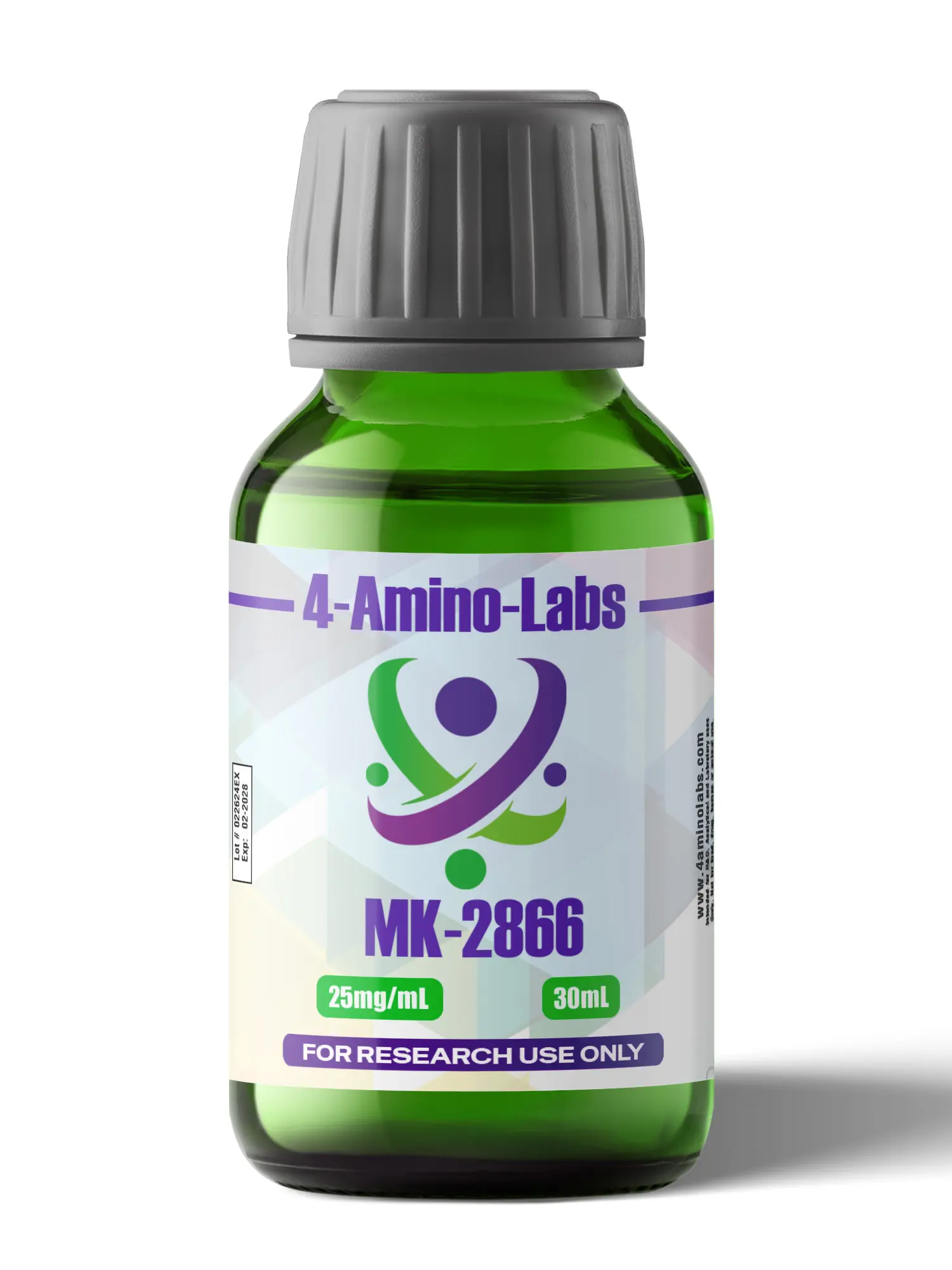
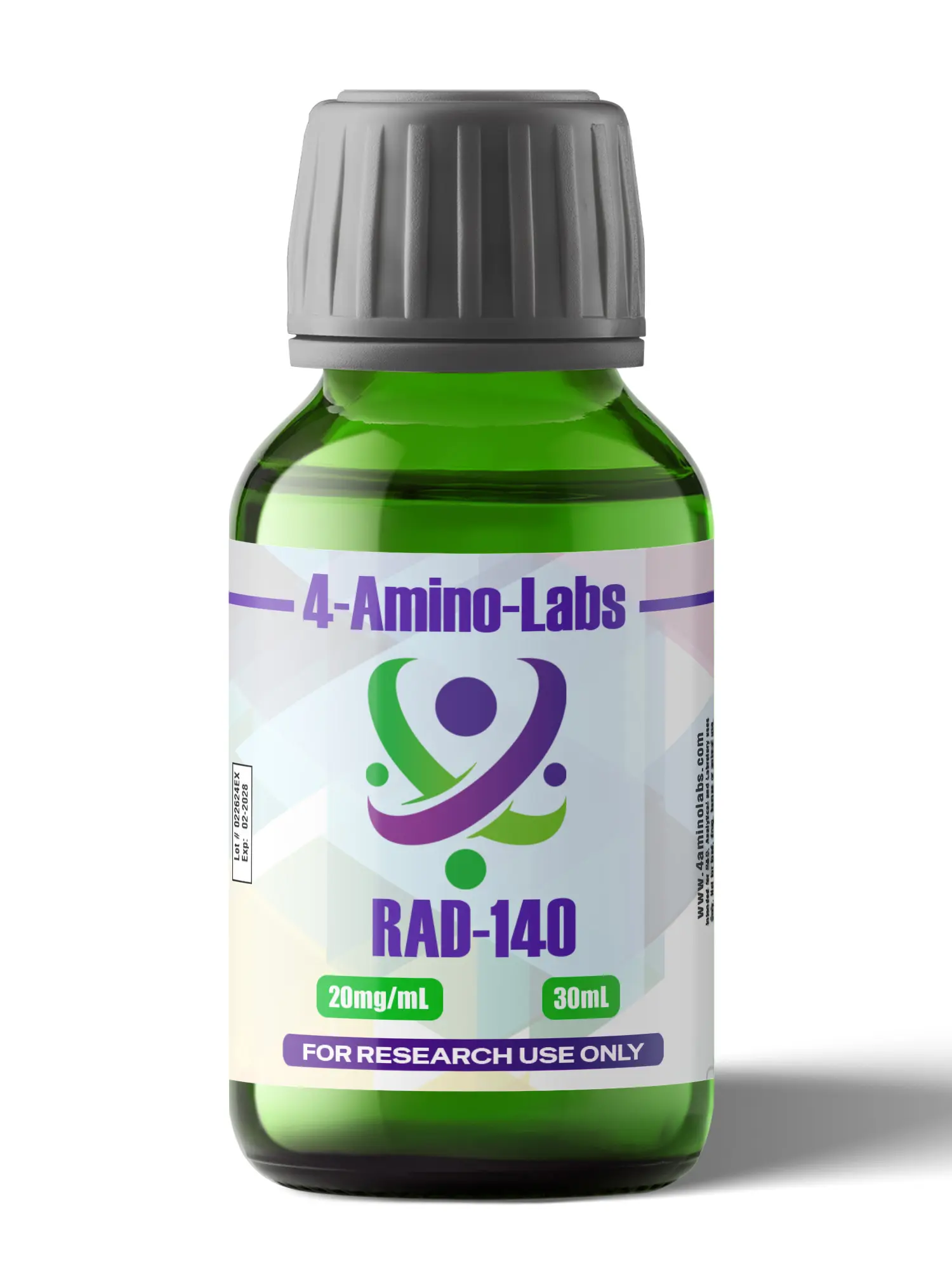
The supplied catalog lists MK-2866 material at 25 mg/mL and RAD140 material at 20 mg/mL, with 30 mL formats described. These are catalog-stated formulation details, not independently established concentration assignments or evidence of certified-reference-material status.
4-Amino-Labs research chemicals are best suited to exploratory laboratory comparisons, not an assumed certified-calibration role. Review the 4-Amino-Labs catalog when that narrower research requirement matches your project, then request documentation for the exact material.
Relevant research materials
MK-2866 and RAD140 are distinct research compounds. Neither name establishes an interchangeable analytical response, retention behavior, impurity profile, or calibration function.
4-Amino-Labs pros:
- The stated business scope serves research laboratories in the United States.
- The catalog identifies relevant receptor-modulator research materials.
- Product descriptions provide formulation details for initial material screening.
4-Amino-Labs cons:
- The supplied information does not establish certified-reference-material status.
- Catalog formulation statements do not establish traceability, uncertainty, or method suitability.
Best for: Exploratory research-chemical characterization after material-specific documentation review.
Verdict: Hold for documentation review. Skip this material category when your requirement specifically calls for a certified calibrator and that status remains unestablished.
How to separate purity, identity, and assigned concentration
These properties answer different analytical questions. Your 2026 purchasing specification should name the required property rather than asking only for a high-purity compound.
| Property | Question it answers | What it does not establish alone |
|---|---|---|
| Chemical identity | Is this the intended chemical entity? | Assigned concentration or quantitative suitability |
| Chromatographic purity | What proportion of the detected chromatographic response belongs to the main component? | Complete mass balance or absence of undetected components |
| Assigned concentration | What analyte concentration is assigned to this solution? | Suitability for every matrix or measurement method |
| Measurement uncertainty | How much uncertainty accompanies the assigned value? | Freedom from method-specific interference |
| Stability information | Under what stated conditions does the assignment remain applicable? | Validity outside those conditions |
Do not equate a chromatographic purity percentage with an assigned solution concentration. Water, counterions, residual solvents, detector response, and the analytical method affect what a purity result means.
A certificate of analysis also differs from a certification claim. Read what the document assigns and supports, not merely what its heading says.
Qualify the material before adding the supplier
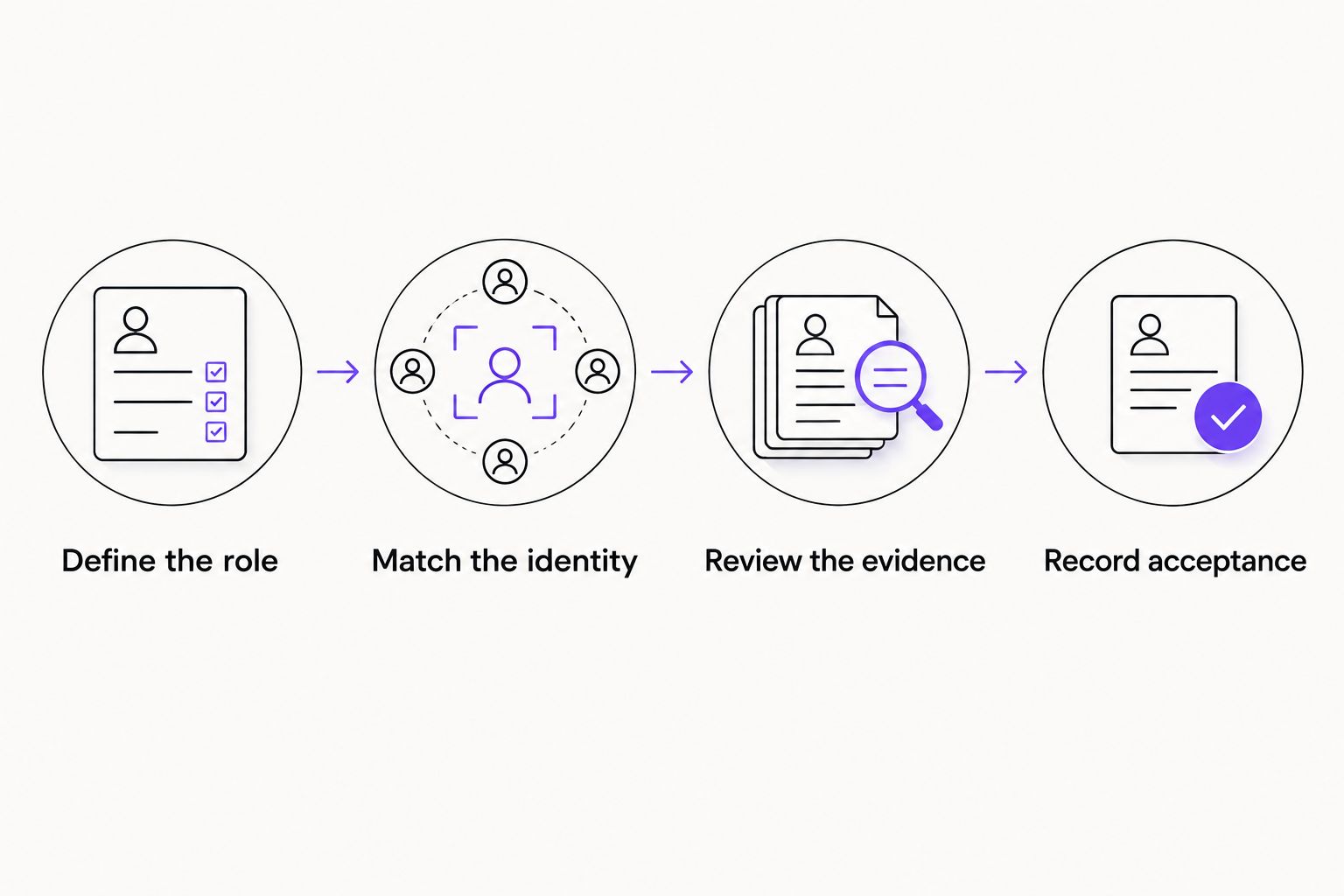
Use a material-first acceptance sequence. Supplier approval and material acceptance are connected decisions, but one does not replace the other.
- Define the role. Specify exploratory identification, calibration, internal-standard use, or independent quality control.
- Match the identity. Confirm the analyte, chemical form, labeling where relevant, and matrix.
- Review the evidence. Examine the lot-specific certificate and the properties actually assigned.
- Record acceptance. Connect the received container, supplier lot, documentation, and laboratory decision.
A research material belongs in an exploratory workflow only when its limitations remain explicit. A certified material still requires compatibility with the laboratory’s analytical purpose.
For a 2026 supplier review, retain the documentation you evaluated rather than relying on a catalog page to remain unchanged. The acceptance record should explain why the material fits its designated role and identify unresolved limitations.
How the suppliers are ranked
The ranking follows documentation fit, analytical role, and sourcing specialization. Cerilliant takes the default certified-reference-material slot; the remaining suppliers serve distinct reference-standard or exploratory requirements.
This is a sourcing shortlist, not a head-to-head performance test. The ranking makes no claim about comparative delivery speed, lot consistency, independent testing results, or the suitability of an unexamined certificate.
Which forensic toxicology reagent supplier should you choose?
Choose Cerilliant as the first shortlist for certified toxicology reference materials in 2026. Choose Cayman Chemical for exploratory analyte sourcing, LGC Standards for complementary analytical-standard searches, or Lipomed for a defined toxicology reference substance.
Keep research-only compound sourcing separate from certified calibration procurement. If the purchasing specification requires an assigned concentration, uncertainty information, or a particular reference-material status, reject any item that does not document that requirement.
Limitations
This comparison does not establish the suitability of a particular supplier lot. Supplier scope and product descriptions are not substitutes for reviewing the certificate, receiving the material, and completing laboratory acceptance.
Research materials discussed here are not presented as suitable for human or animal use. No product listing establishes a medical purpose, a health benefit, or automatic fitness for reportable forensic measurements.
FAQ
What’s the best forensic toxicology reagent supplier in 2026?
Cerilliant is the default shortlist for certified toxicology reference-material sourcing. The final choice depends on whether the exact material’s certificate satisfies your analytical requirements.
Is a research chemical the same as a certified reference material?
No. Research-chemical status does not establish certified assigned properties, associated uncertainty, or traceability documentation.
Does high HPLC purity prove a solution’s concentration?
No. Chromatographic area purity and assigned solution concentration are different properties, so a purity percentage alone cannot establish the concentration required for calibration.
Is Cayman Chemical better than Cerilliant for exploratory research?
Cayman Chemical fits the exploratory-analyte slot in this shortlist, while Cerilliant is the default certified-reference-material shortlist. Select the exact material category rather than treating either supplier’s entire catalog as interchangeable.
Can 4-Amino-Labs materials replace certified toxicology calibrators?
The supplied catalog information does not establish that replacement. Treat these products as research-only materials and require separate evidence for any proposed analytical role.
What should a laboratory check before accepting a reagent lot?
Check identity, chemical form, matrix, lot identifier, assigned properties, and applicable stability information. Record the acceptance decision against the received container and its documentation.
Can two suppliers’ standards with the same analyte name be substituted?
Not on the analyte name alone. Compare chemical form, assigned properties, matrix, uncertainty information where applicable, and method compatibility before accepting a substitution.
One last thing
A second supplier does not automatically provide an independent quality-control source. Check the material’s producer and provenance rather than assuming two purchasing channels represent two independently prepared materials.
Record that distinction in your 2026 sourcing review. It matters more than adding another familiar supplier name to an approved-vendor list.
Related guides
- Research chemical suppliers ranked by documentation
- Connecting batch numbers to laboratory inventory tracking
- Verifying peptide purity with third-party testing
For research use only. Not for human or animal use. This content is not medical advice and is not intended to diagnose, treat, cure, or prevent disease.