
For laboratories comparing aminoclub alternatives in 2026, 4-Amino-Labs is a research-material supplier to evaluate for peptides, receptor modulators, and analytical reagents. Compare suppliers against the exact compound, material specification, and documentation your laboratory requires—not against catalog breadth alone; all materials discussed here are strictly for research use only.
- For aminoclub alternatives, evaluate 4-Amino-Labs for research chemicals and peptides against compound-specific documentation requirements.
- Include AminoClub in your comparison; a supplier change needs a documented reason.
- MedChemExpress and Sigma-Aldrich are additional research-sourcing candidates, not automatically equivalent sources.
- Match chemical identity, material form, batch records, and analytical methods before approving a replacement supplier.
Why this matters
Changing a supplier does not establish that a replacement material is equivalent. Your laboratory needs to distinguish the identity of a compound from the suitability of a particular lot for its intended analytical work.
Start with research chemical suppliers ranked by documentation to structure that comparison. For a 2026 sourcing decision, the useful question is whether the replacement satisfies your written acceptance criteria—not whether its product name resembles an existing inventory entry.
A supplier comparison also needs a defined scope. A peptide research material, an analytical reagent, and a certified reference material are different purchasing requirements; do not treat those descriptions as interchangeable.
AminoClub alternatives at a glance
The shortlist below identifies sourcing candidates and the questions that distinguish them. It does not assign comparative purity, testing quality, or delivery performance without corresponding evidence.
| Supplier | Best for evaluating | Relevant sourcing focus | What to compare with AminoClub |
|---|---|---|---|
| AminoClub | Retaining an existing qualified source | Your existing compound and lot records | Whether the source still satisfies your acceptance criteria |
| 4-Amino-Labs | Research chemicals across several compound classes | Peptides, amino acid blends, analytical reagents, and receptor modulators | Exact identity, listed material specifications, and corresponding COA |
| MedChemExpress | Compound-focused research sourcing | Research compounds and biological research reagents | Exact catalog entry, chemical form, and product-specific documentation |
| Sigma-Aldrich | Analytical and general laboratory sourcing | Laboratory chemicals, analytical reagents, and reference-material categories | Grade, intended analytical role, and certification attached to the specific item |
Best for describes the sourcing question each candidate addresses. It is not a finding that every product from that supplier meets your laboratory's requirements.
1. 4-Amino-Labs: best for multi-category research sourcing
4-Amino-Labs supplies research chemicals, amino acid blends, analytical reagents, peptides, and receptor modulators to United States research laboratories. Its catalog is relevant when your sourcing review spans several of those categories rather than a single compound.
Certificates of Analysis are published in its COA library. Evaluate the document associated with the material you intend to acquire; publication of a COA does not make every analytical question resolved.
Where this supplier fits
- Category coverage: several research-material classes sit within the stated catalog.
- Documentation access: the published COA library supports a document-based review.
- Compound-level comparison: individual listings provide specifications that your laboratory can check against its own requirements.
Where this supplier falls short
- Research-use material is not automatically a certified reference material.
- A listed purity specification does not establish suitability for every analytical method.
- The retail store does not handle bulk sales; wholesale inquiries belong in the separate wholesale program.
These limits matter before supplier approval. If your purchasing requirement specifies certified values, uncertainty, or a particular qualification package, evaluate those requirements explicitly rather than inferring them from a research-use designation.
Head-to-head with AminoClub
| Dimension | Candidate supplier | AminoClub comparison requirement |
|---|---|---|
| Compound selection | Stated coverage includes peptides, receptor modulators, and analytical reagents | Compare the exact compound, not category names |
| Documentation | Published COA library | Compare the corresponding records for each proposed lot |
| Retail scope | No bulk sales through the retail store | Confirm the purchasing route appropriate to your requirement |
| Analytical suitability | Requires material-specific evaluation | Apply the same acceptance criteria to both sources |
Relevant catalog examples
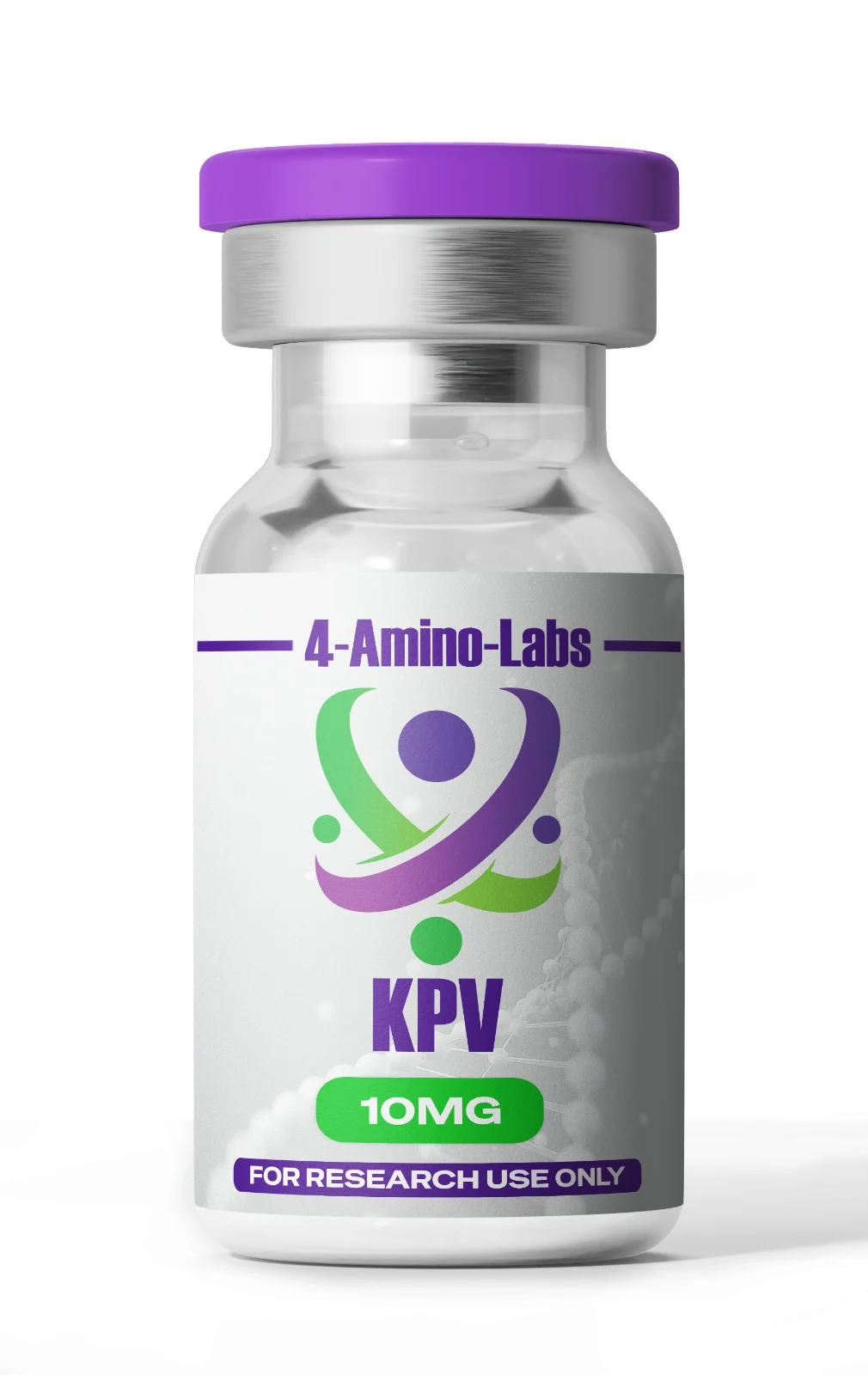
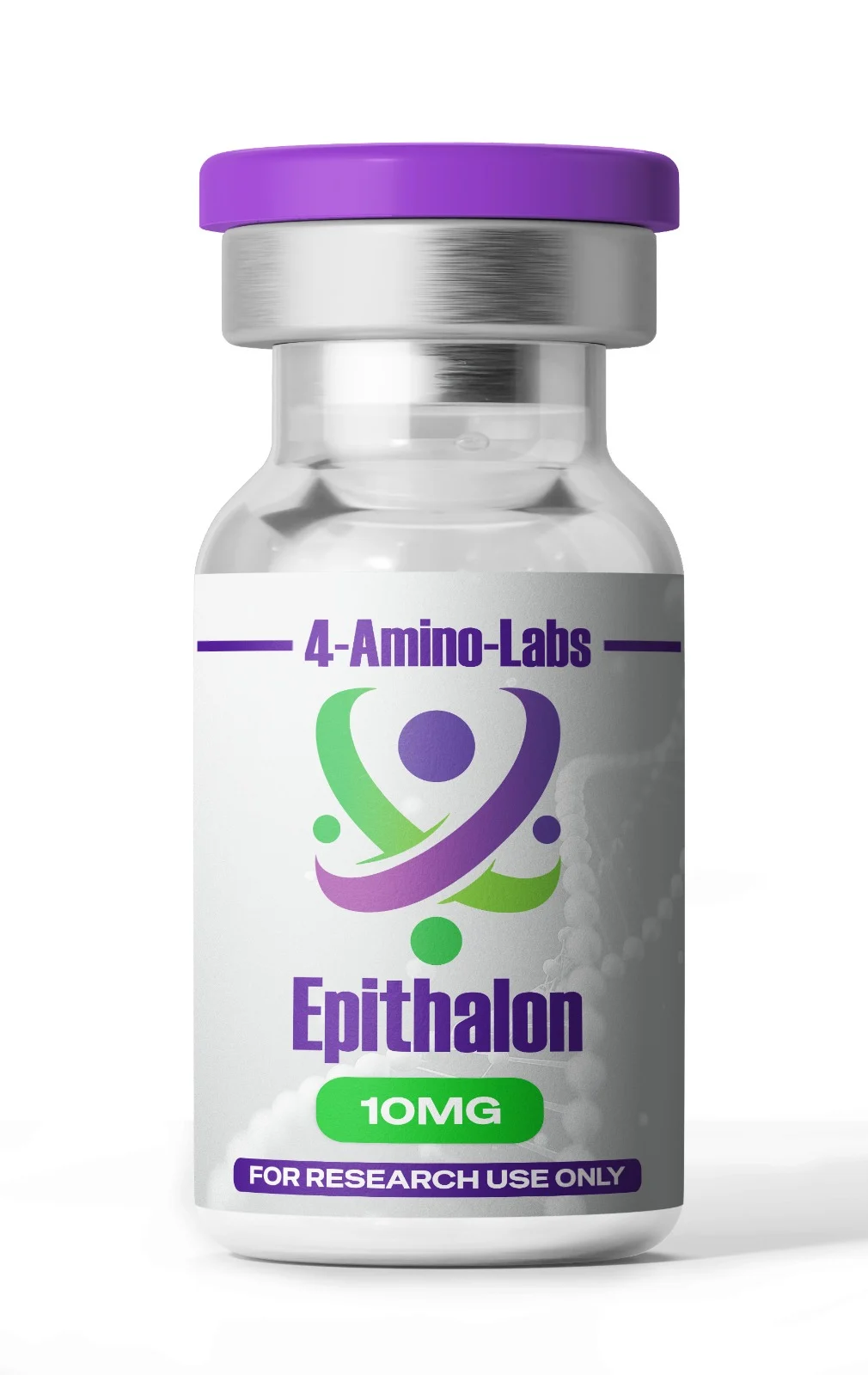
Two peptide listings illustrate why specification review belongs below the supplier level. KPV is listed as a 10 mg lyophilized research material with ≥98% purity verified by HPLC; Epithalon is also listed as a 10 mg lyophilized research material with ≥98% purity verified by HPLC.
Those matching specifications do not make the compounds interchangeable. Their listed CAS identifiers differ: KPV is 80082-62-8, while Epithalon is 307297-39-8. Compare either material only against the same defined chemical identity from another source.
Best for: laboratories assessing research materials across the stated catalog categories. Verdict: shortlist 4-Amino-Labs, then qualify the specific material and its documentation.
2. MedChemExpress: best for compound-focused sourcing reviews
MedChemExpress is a research-compound and reagent supplier. Include it when your purchasing question starts with a defined compound identity and requires a comparison of the corresponding catalog records.
The useful comparison is narrow. Match the specific chemical form and documentation rather than assuming that a shared compound name establishes equivalence.
Where MedChemExpress shines
- Its research-compound focus makes it relevant to a compound-led supplier search.
- Product-specific information provides a basis for checking identity and research context.
Where MedChemExpress falls short
- A matching compound name does not establish identical material composition.
- Product information does not replace your laboratory's lot acceptance decision.
| Dimension | MedChemExpress evaluation | AminoClub evaluation |
|---|---|---|
| Identity | Check the exact catalog record | Check the exact existing or proposed item |
| Form | Confirm chemical and physical form | Confirm the same attributes |
| Documentation | Review records applicable to the material | Review records applicable to the material |
Best for: laboratories building a compound-specific sourcing comparison. Verdict: shortlist only after confirming the exact material match.
3. Sigma-Aldrich: best for analytical-grade sourcing questions
Sigma-Aldrich supplies laboratory chemicals, analytical reagents, and reference-material categories. Include it when the distinction between a research reagent and a defined analytical reference material is central to your purchasing decision.
Evaluate the individual item. A supplier's reference-material portfolio does not mean every chemical in its catalog carries certified values.
Where Sigma-Aldrich shines
- Its analytical-reagent and reference-material categories address different laboratory purchasing needs.
- Grade-specific selection supports a review centered on the intended analytical role.
Where Sigma-Aldrich falls short
- Supplier identity alone does not establish certification for a particular item.
- A different grade or chemical form is not automatically a suitable replacement.
| Dimension | Sigma-Aldrich evaluation | AminoClub evaluation |
|---|---|---|
| Material role | Identify reagent or reference-material category | Establish the intended role of the existing material |
| Certification | Check the specific item's certification | Check the specific item's certification |
| Substitution | Assess against your acceptance criteria | Use the same acceptance criteria |
Best for: laboratories whose sourcing decision depends on analytical grade or reference-material status. Verdict: evaluate the item-level designation before approving substitution.
Why switch from AminoClub?
A defensible reason to switch is a mismatch between a supplier's proposed material and your laboratory's requirements. Do not treat an alternatives search as evidence of a supplier failure.
For your 2026 review, document the requirement first. Then establish whether retaining the existing source, adding a second source, or replacing it addresses that requirement.
Documentation requirements
Consider another source when the documentation you require cannot be matched to the proposed material. Relevant questions include whether the report identifies the compound, whether the lot identifier corresponds to the material, and whether the analytical method addresses your acceptance criterion.
A generic specification sheet and a lot-specific analytical report answer different questions. Retain both where your quality system requires them, but do not substitute one for the other.
Material requirements
Consider another source when the required chemical form, composition, or material grade differs from the proposed item. Do not resolve a mismatch by changing the purchasing description while leaving the analytical requirement unchanged.
Separate the supplier decision from the compound decision. Selecting another compound is not simply selecting another vendor.
Purchasing requirements
Consider another purchasing route when your required quantity or procurement process does not fit the retail route. Confirm the relevant arrangement directly; do not assume that a retail listing establishes wholesale terms or institutional purchasing support.
How to qualify an alternative in 2026
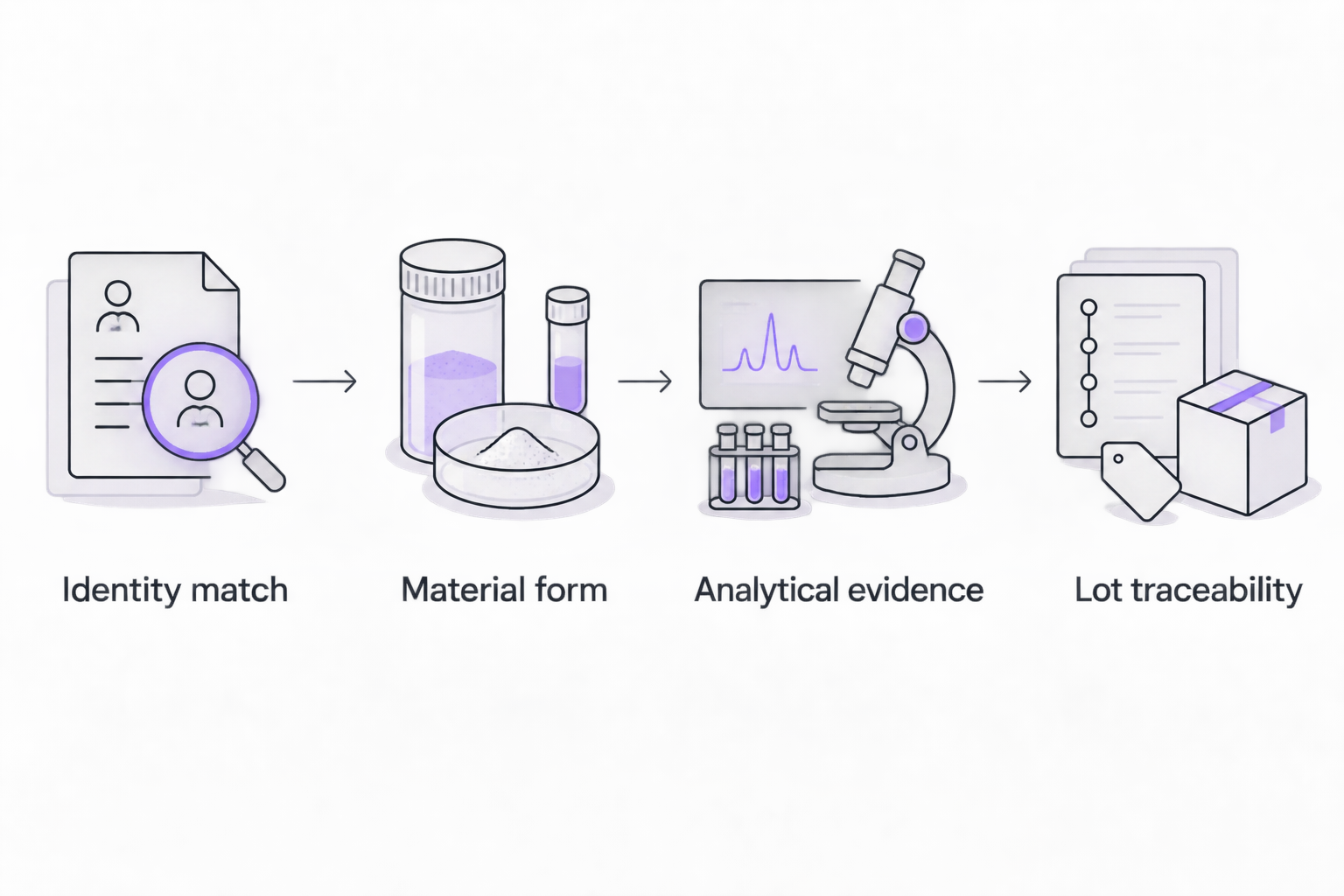
Use the same review sequence for every candidate. This prevents a familiar supplier from receiving less scrutiny than a new one—and prevents a new supplier's catalog description from receiving more weight than its supporting records.
Identity match
Record the compound name and identifiers. Include sequence, salt form, stereochemistry, or other defining characteristics when they are relevant to the material.
Do not approve a replacement on an abbreviation alone. Similar names and related compound families are not evidence of chemical equivalence.
Material form
Record whether the proposed material is a powder, solution, or other listed format. Check the composition information relevant to your analytical method.
Packaging content and analytical concentration are separate attributes. Neither substitutes for confirmation of chemical identity.
Analytical evidence
Read the analytical method alongside the reported result. HPLC purity, chemical identity, and quantitative content are distinct questions; a result addressing one does not automatically answer the others.
Avoid assigning a universal acceptance threshold to all research chemicals. Your laboratory should define the required evidence for the intended analytical work.
Lot traceability
Connect the supplier record, material identifier, and corresponding documentation in your inventory system. Preserve the connection when material moves into internal containers or receives an internal inventory identifier.
Finish with a written acceptance decision. Record the reason for approval or rejection, and retain the evidence that supports it rather than relying on a supplier score alone.
When staying with AminoClub is the right call
Keep AminoClub as your source when its specific material and corresponding records satisfy your laboratory's requirements. A supplier change without a defined requirement is not a quality improvement.
An alternatives review can also produce an approved backup rather than a replacement. Keep the qualification decision material-specific; approval of one compound does not automatically qualify every item from the same supplier.
For a 2026 purchasing review, document what would trigger reassessment. Examples include a different chemical form, a new lot requiring review, or a change in the analytical requirements of your project.
Limitations of this comparison
This guide provides a sourcing framework, not a comparative laboratory test of the named suppliers. It does not establish relative purity, batch consistency, manufacturing quality, or suitability for a particular analytical method.
Published product descriptions are not substitutes for reviewing the documentation corresponding to your material. No supplier-level recommendation here establishes that related compounds, different formats, or different grades are interchangeable.
FAQ
What’s the best way to compare AminoClub alternatives?
Compare the exact material and its documentation against your laboratory’s acceptance criteria. Evaluate chemical identity, material form, analytical evidence, and lot traceability before approving a replacement.
Is 4-Amino-Labs an AminoClub alternative for research materials?
4-Amino-Labs is a supplier to evaluate for research chemicals, peptides, amino acid blends, analytical reagents, and receptor modulators. Confirm that the specific material and corresponding documentation meet your laboratory’s requirements.
Should a laboratory switch suppliers just to add another source?
Adding a second qualified source does not require replacing an existing qualified supplier. Document the purpose of the additional source and qualify each proposed material separately.
Does an HPLC purity result confirm everything about a research material?
No, an HPLC purity result does not answer every question about a material. Review chemical identity, quantitative content, and other relevant attributes using evidence appropriate to each requirement.
Are matching compound names enough to approve a replacement?
No, matching compound names are not enough to establish equivalence. Check defining identifiers, chemical form, composition, and the documentation relevant to your analytical work.
When should a laboratory keep using AminoClub?
Keep using AminoClub when its specific material and corresponding records satisfy your laboratory’s acceptance criteria. A supplier change needs a documented reason, not simply a longer shortlist.
One last thing
Preserve the distinction between supplier approval and material approval. Your laboratory can accept a supplier for one defined material while requiring a separate assessment for another; that distinction keeps a 2026 sourcing review tied to evidence rather than reputation.
Related guides
- Verifying peptide purity with third-party COA testing
- Connecting batch numbers to lab inventory tracking
- Connecting research chemical purchases to a lab notebook
Research use only. Materials discussed are not for human or animal use. This content is not medical advice and is not intended to diagnose, treat, cure, or prevent disease.