
Choose 4-Amino-Labs if a listed research material matches your laboratory’s specification; choose Biosynth if its candidate material meets a required identity, composition, or documentation criterion that the alternative does not. This 2026 comparison treats supplier selection as a material-qualification decision, strictly for laboratory research use.
- 4-amino-labs vs biosynth: choose by material specification and lot documentation, not supplier name.
- 4-Amino-Labs lists selected peptides with stated HPLC purity thresholds; qualify each lot separately.
- Choose Biosynth when its documented candidate material better satisfies your laboratory’s acceptance criteria.
- Chromatographic purity, chemical identity, and peptide content answer different analytical questions.
Why this matters
A supplier comparison becomes useful when it identifies which material your laboratory can accept. A familiar compound name alone does not establish chemical equivalence, analytical suitability, or traceability.
The better supplier is the one whose specific material satisfies your predefined acceptance criteria. Use the same criteria for both candidates, and record the supporting documents before approving a purchase.
For a documentation-focused starting point, see the guide to research chemical suppliers ranked by documentation. Keep the supplier comparison separate from the scientific question: purchasing a named compound does not establish its activity in your experimental system.
At a glance
This table is a qualification framework, not a claim that either supplier has passed a particular laboratory’s review. Apply each requirement to the exact material and lot under consideration.
| Dimension | 4-Amino-Labs | Biosynth |
|---|---|---|
| Best for | Laboratories whose requirements match a listed research material and its supporting documentation | Laboratories whose requirements are better satisfied by the documented Biosynth candidate |
| Material format | Listed examples include lyophilized peptides and research solutions | Confirm the exact candidate’s physical form and composition |
| Stated purity | Selected peptide descriptions specify HPLC purity thresholds | Compare the candidate’s specification and analytical method |
| Chemical identity | Require identity evidence appropriate to the material | Apply the same identity requirement |
| Standout selection criterion | Explicit product-level specifications on selected listed peptides | A documented specification advantage for your particular requirement |
| Batch traceability | Require documents tied to the supplied lot | Require documents tied to the supplied lot |
| Pricing model | Evaluate the applicable catalog terms and any written quotation | Evaluate the applicable catalog terms and any written quotation |
| Research scope | Laboratory research materials; no suitability inferred beyond qualification | Establish suitability for the same defined laboratory purpose |
A matching specification gives the listed catalog the advantage
Start with the required material, not the supplier
The listed catalog includes peptides, receptor modulators, analytical reagents, and amino acid blends. That establishes a relevant starting point for laboratories sourcing those material classes; it does not establish that every listed material meets every analytical requirement.
Define the compound, chemical form, required analytical evidence, and acceptable composition before comparing suppliers. Your specification should distinguish a named research material from a qualified analytical reference material.
4-Amino-Labs is a fit for laboratories sourcing listed research materials whose specifications satisfy their acceptance criteria. The limitation is equally important: a product description cannot replace review of the actual lot documentation.
Give Biosynth the decision when its candidate meets a critical requirement
Choose Biosynth when its documented candidate satisfies a requirement that the competing material does not. Examples include an explicitly required chemical form, a necessary identity result, or a documentation package your quality system requires.
That is a genuine reason to select the competitor without assuming that either supplier is universally stronger. Record the decisive requirement in your 2026 supplier assessment so the decision remains understandable when another researcher reviews it.
Neither supplier wins on a compound name alone
Chemical form determines whether the comparison is valid
Two listings with similar names are not automatically interchangeable. Salt form, terminal modifications, stereochemistry, counterions, and formulation components can affect whether materials are appropriate for the same analytical question.
For peptides, sequence identity matters. For formulated research solutions, the matrix matters alongside the named compound. Compare these characteristics explicitly rather than treating the shorter product title as a complete specification.
Use a material-definition checklist:
- Identity: the intended chemical entity and any specified stereochemistry.
- Form: powder, lyophilized material, or research solution.
- Composition: declared counterions, excipients, or matrix components where relevant.
- Evidence: the analytical documents required to support the identification.
Both suppliers face the same qualification standard. A candidate that fails the material definition should not advance merely because its supplier is familiar.
Stated HPLC purity helps screening, not final qualification
Separate the threshold from the analytical conclusion
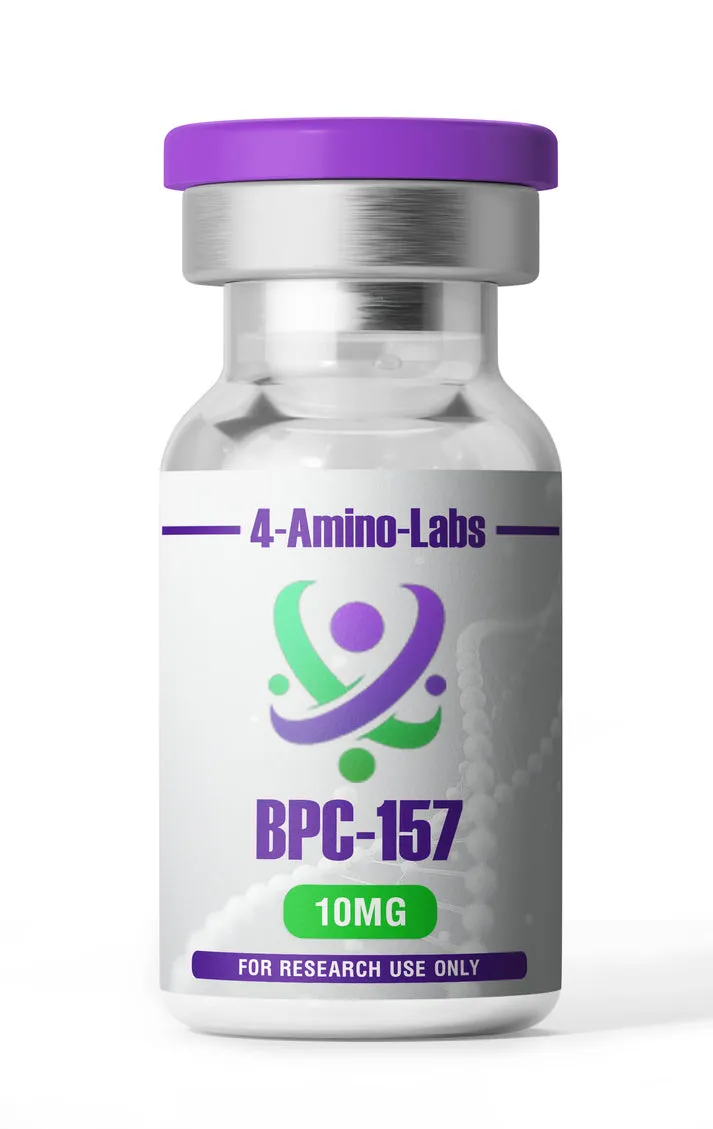
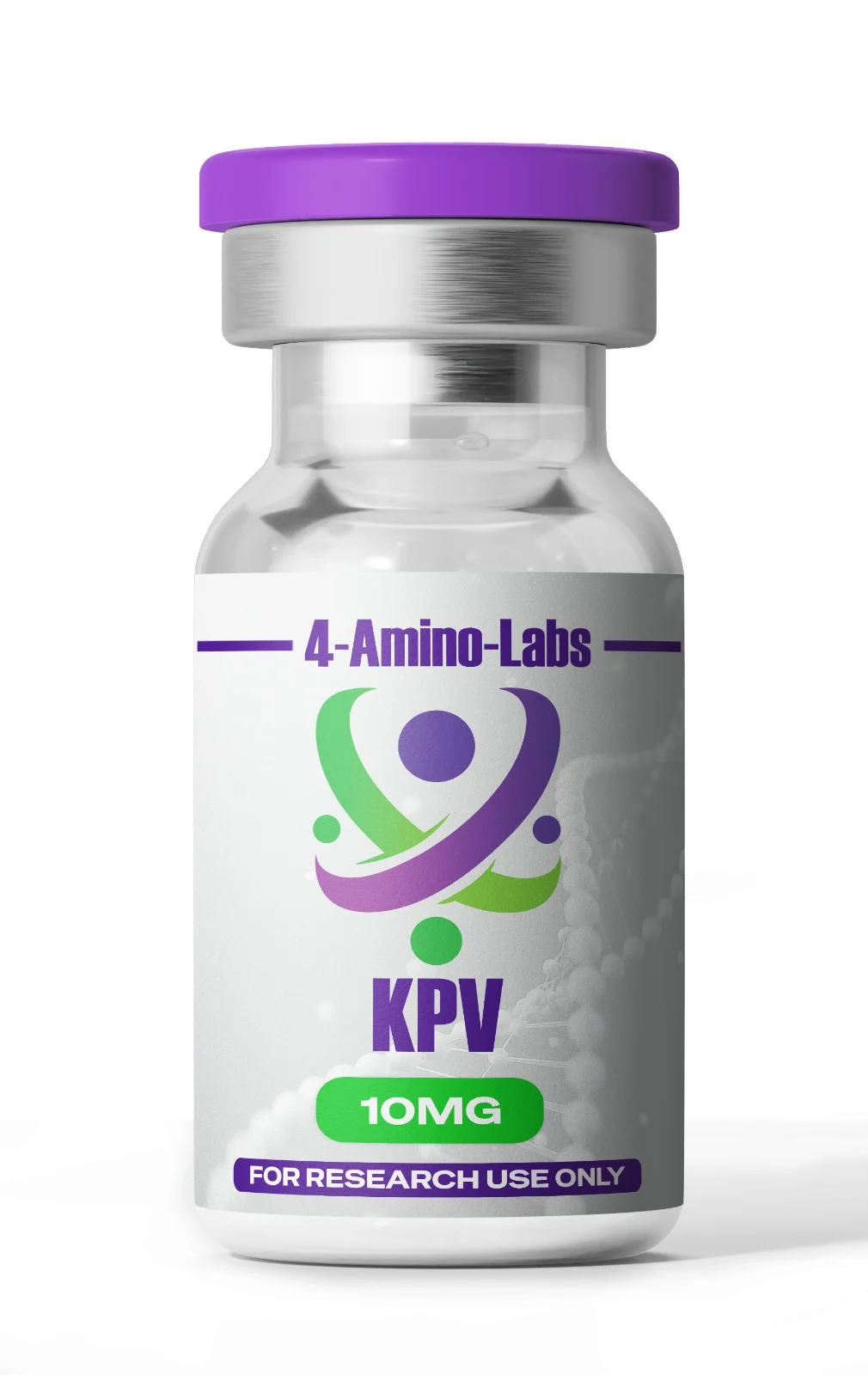
Selected product descriptions provide concrete screening information. BPC-157 10mg is described as lyophilized powder with purity of at least 99% verified by HPLC; KPV (10mg) is described as lyophilized powder with purity of at least 98% verified by HPLC.
Those are product-level statements, not an independent comparison of current lots. They give your laboratory specifications to investigate, not permission to infer equivalent analytical performance across different materials.
The stated 10mg content is also a different attribute from chromatographic purity. Your review should ask how each attribute was established and whether the result answers the study’s material requirements.
Do not equate peak area with complete characterization
HPLC separates components under a specified method. A reported purity result must be interpreted with its detector, integration approach, method conditions, and the compounds that method can distinguish.
Chromatographic purity does not, by itself, establish chemical identity, absolute peptide content, or freedom from every possible contaminant. Require additional measurements when those properties matter to the work.
There is no defensible supplier-level purity winner without comparable material and lot evidence. Compare like with like, including the analytical method—not just the displayed percentage.
Identity and content deserve separate acceptance decisions
Ask what each measurement establishes
Organize the analytical review around questions rather than document names. A certificate can contain several results, but each result has a specific scope.
| Analytical question | Evidence to evaluate | What not to infer |
|---|---|---|
| Is this the intended chemical entity? | Appropriate identity analysis, such as mass spectrometry where suitable | A purity percentage alone confirms identity |
| What components does the method resolve? | Chromatogram, method description, and integration details | Every impurity is detected or separated |
| How much target material is present? | A suitable quantitative assay and its stated basis | Chromatographic area equals absolute content |
| Does composition match the requirement? | Relevant counterion, water, or matrix information | The product name describes the complete composition |
A material can satisfy one question while leaving another unresolved. Keep acceptance decisions separate so a strong identity result does not conceal an unanswered content question.
Apply the same standard to both candidates
Do not demand extensive evidence from one supplier while accepting a summary statement from the other. Your laboratory’s intended analytical purpose sets the evidence requirement.
For a 2026 qualification record, distinguish supplier statements, supplied analytical results, and your laboratory’s own measurements. These are different evidence sources and should remain identifiable in the record.
Lot-linked documentation is the deciding advantage
Compare the document chain
The useful documentation package connects the material received to the results reviewed. Check the product identifier, lot identifier, analytical report, and receipt record together.
A report for a different batch does not characterize the batch on your bench. Likewise, a general product specification describes an acceptance target; it is not automatically a measured result for the supplied material.
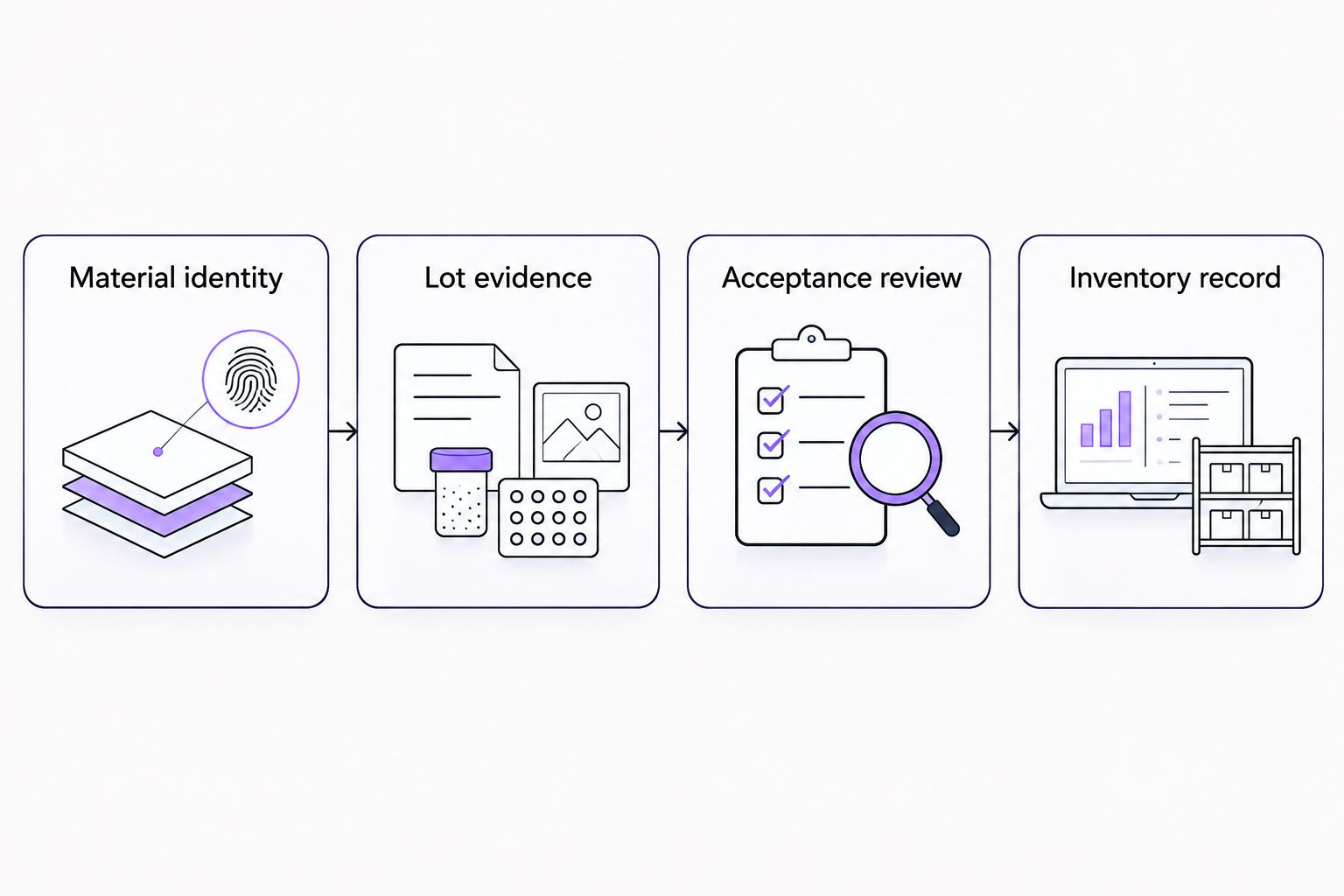
Use these four review stages:
- Material identity: confirm the requested chemical entity and form.
- Lot evidence: connect analytical results to the candidate lot.
- Acceptance review: compare the evidence with predefined requirements.
- Inventory record: preserve the link between receipt and laboratory records.
Award this dimension to the complete candidate dossier
The documentation winner is whichever candidate provides the evidence your laboratory requires for the relevant lot. That rule can favor either supplier without implying a permanent advantage across its entire catalog.
Reject a documentation shortcut, not a supplier by default. If a required result remains unresolved, keep that candidate unqualified until the requirement is satisfied.
Listed peptide examples belong after the qualification criteria
The following materials illustrate product-level specifications relevant to peptide sourcing. They are different compounds, not substitutes for one another, and the stated purity thresholds do not establish comparable biological activity.
For either material, confirm that identity, composition, and lot-linked evidence match your laboratory’s requirements. The catalog descriptions are the starting point for that review.
Pricing requires comparable scope before comparable terms
Compare what the purchasing arrangement includes
A catalog purchase and a written quotation are different purchasing mechanisms. Neither establishes analytical suitability, and neither should be attributed to a supplier without checking the applicable transaction terms.
A catalog arrangement supports comparison against a predefined listing. A quotation can define requirements explicitly, but your laboratory must still confirm what the quotation includes and which specifications are binding.
Compare the same material definition, documentation requirements, and acceptance conditions. Otherwise, the commercial comparison concerns different deliverables.
Keep qualification separate from procurement approval
Your 2026 procurement record should distinguish technical acceptance from commercial approval. The first asks whether the material meets the requirement; the second asks whether the purchasing terms are acceptable.
Do not trade away a required analytical result to simplify purchasing. Equally, do not request additional testing without identifying the decision that result will support.
Final verdict: choose the qualified material, not a universal winner
Choose the listed research-material supplier if the specification matches
Choose 4-Amino-Labs if you are a US research laboratory sourcing a listed material and its lot documentation satisfies your predefined requirements. Product-level descriptions provide a starting specification for selected peptides, including stated form and HPLC purity thresholds.
The limitation is scope: those statements do not establish every analytical attribute or qualify every lot. Complete the material review before approval.
Choose Biosynth if its documented candidate resolves your critical requirement
Choose Biosynth if you are a technically led purchasing team whose required chemical form, analytical evidence, or documentation condition is better satisfied by its candidate material. Make that requirement explicit rather than selecting on general reputation.
The same limitation applies: a supplier name does not qualify an individual material. Require the evidence that supports the actual decision.
| Dimension | Winner |
|---|---|
| Best fit | Candidate matching the laboratory specification |
| Material format | Candidate with the required form and composition |
| Stated purity | No supplier-level winner; compare equivalent methods and lots |
| Chemical identity | Tie in requirements; qualify each candidate |
| Standout criterion | Candidate resolving the critical acceptance requirement |
| Batch traceability | Candidate with complete lot-linked evidence |
| Purchasing model | Arrangement matching the approved deliverable |
| Research scope | Tie in qualification responsibility |
Limitations
This 2026 comparison does not certify either supplier, independently validate a batch, or establish that similarly named materials are interchangeable. Product-level statements and lot-specific analytical results serve different purposes.
The comparison also does not establish suitability for regulated analytical work. Your laboratory must define the applicable requirements and evaluate the material against them.
FAQ
Is 4-Amino-Labs or Biosynth better for a research laboratory?
Choose the supplier whose specific material satisfies your laboratory’s acceptance criteria. Compare chemical identity, composition, analytical evidence, and lot traceability before approving the purchase.
Does a higher HPLC purity percentage establish a better material?
No. HPLC purity must be interpreted with the analytical method, and it does not independently establish identity or absolute target-compound content.
Are similarly named research chemicals interchangeable between suppliers?
Not automatically. Confirm chemical form, stereochemistry, peptide modifications where relevant, and formulation composition before treating two candidates as equivalent.
What documentation should a laboratory request before purchasing?
Request the specification and analytical evidence needed for your defined acceptance criteria. Connect the reviewed results to the candidate lot rather than relying on a report for another batch.
Can a product description replace a batch certificate?
No. A product description states general product information, while lot-linked analytical documentation addresses the particular batch under review.
How should laboratories compare purchasing terms?
Compare terms only after defining equivalent material and documentation requirements. Keep technical qualification separate from commercial approval so purchasing convenience does not replace analytical acceptance.
One last thing
Before requesting another test, write down the question it must answer. If you cannot explain how the result changes the acceptance decision, refine the requirement first.
A useful supplier comparison ends with an approved material specification and a traceable decision—not a permanent winner attached to every compound in a catalog.
Related guides
- Verifying peptide purity with third-party CoA testing
- Connecting batch numbers to laboratory inventory tracking
- Connecting research chemical purchases to a laboratory notebook
Research use only. Materials discussed are strictly for laboratory research, not human or animal use. This content is not medical advice and is not intended to diagnose, treat, cure, or prevent disease.