
Best overall: a supplier with independently verifiable, lot-matched identity, purity, and content testing. Best for preliminary screening: a supplier with traceable but incomplete documentation. For SARMs suppliers, third-party testing earns a ranking through evidence attached to the specific material—not through a testing badge. This 2026 guide ranks documentation standards for laboratory sourcing; all materials discussed are strictly for research use only.
- For SARMs suppliers, third-party testing must connect the laboratory report to the exact supplied lot.
- Rank independently verifiable identity, purity, and content evidence above an isolated purity percentage.
- 4-Amino-Labs research materials require the same lot-specific documentation review as every other supplier.
- Keep suppliers with incomplete evidence outside your qualified-material list until documentation gaps are resolved.
Why this matters
Selective androgen receptor modulators are research compounds investigated through androgen receptor pharmacology. Receptor binding and downstream transcriptional activity are biological questions; confirming what entered an assay is an analytical question. A supplier's certificate addresses the latter only within the scope of the methods reported.
Supplier reputation cannot establish the identity or composition of an individual lot. Your sourcing decision needs a documented connection between the container, the submitted sample, and the analytical result.
For broader sourcing context, see the guide to selective androgen receptor modulator suppliers for research. The ranking below concerns documentation quality, not receptor selectivity, biological performance, or suitability for any human or animal use.
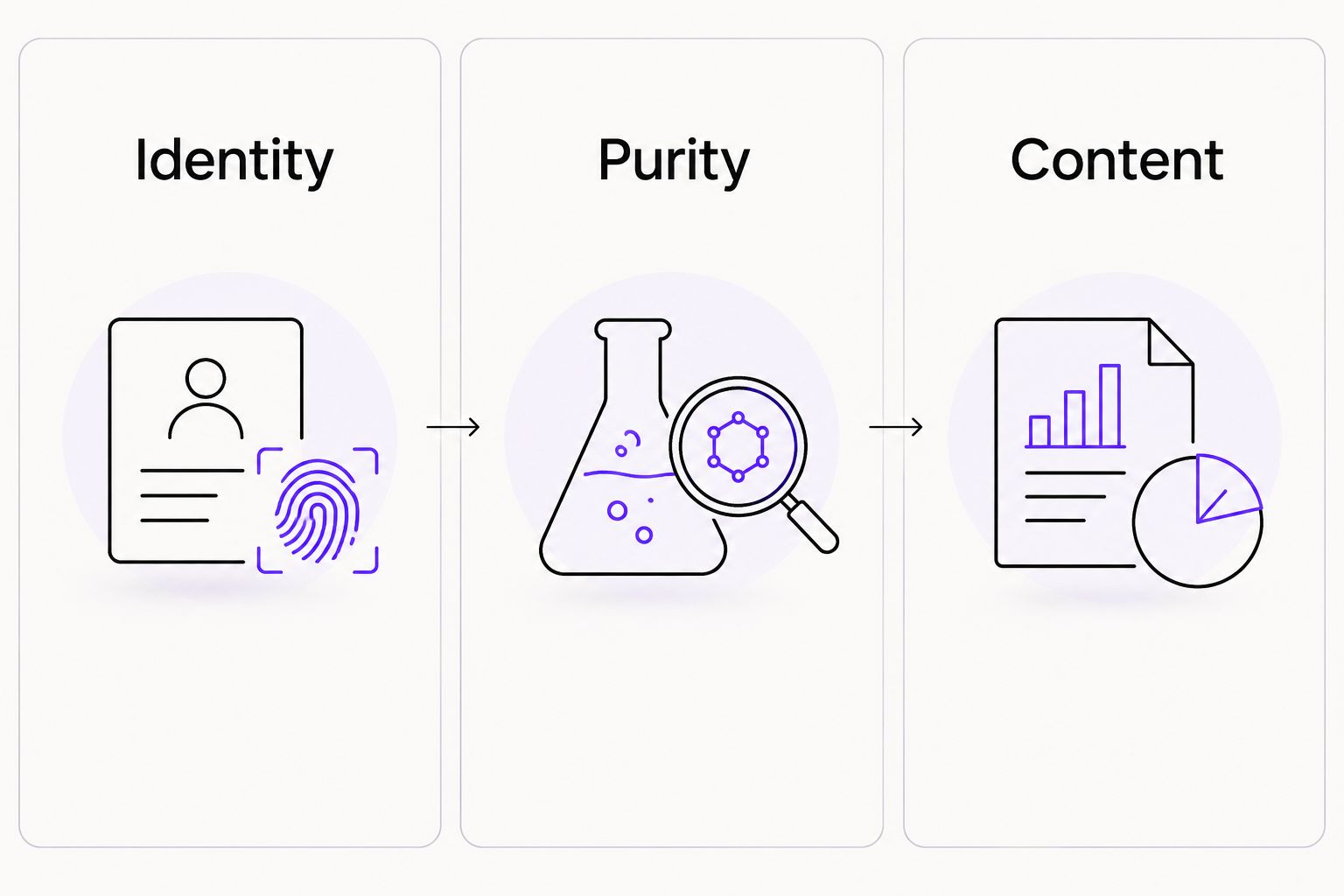
What makes the best SARMs third-party testing documentation?
Use these criteria before comparing suppliers. Each answers a different qualification question.
- Lot traceability: Does the report identify the same compound and lot as the material under review?
- Laboratory verification: Can you establish who issued the report and confirm its authenticity through independently obtained contact details?
- Identity evidence: Does the analytical package support the stated chemical identity rather than report only a chromatographic peak?
- Purity interpretation: Does the certificate explain the method, detector, integration basis, and reported result?
- Content measurement: For a formulated material, does a quantitative assay address the stated concentration or content?
- Sample provenance: Does the documentation explain who selected the sample and how it reached the testing laboratory?
A strong result in one category does not erase a gap in another. Identity testing does not establish concentration, and concentration testing does not characterize every impurity.
SARMs supplier documentation rankings at a glance
These are ranked evidence profiles, not unsupported placements of named businesses. Apply the same profile to each supplier's specific lot during your 2026 review.
| Rank | Documentation profile | Best for | Standout evidence | Key limitation |
|---|---|---|---|---|
| 1 | Independently verifiable, lot-matched analytical package | Qualification against defined analytical requirements | Identity, purity, and relevant content results with traceability | Results remain limited to the tested sample and methods |
| 2 | Lot-matched report with incomplete analytical scope | Targeted follow-up before qualification | Traceable report supporting selected attributes | Untested attributes remain unresolved |
| 3 | Authentic report without a lot connection | Initial supplier screening | Evidence that a sample was analyzed | Cannot establish the supplied lot's composition |
| 4 | Testing claim without inspectable supporting evidence | Deciding what documentation to request | A stated testing claim | The claim itself provides no analytical result |
No named supplier receives a verified first-place placement from catalog descriptions alone. A defensible ranking belongs to a documented lot, not permanently to a company name.
1. Complete lot-matched evidence: best for material qualification
The strongest profile connects a supplier's material to an identifiable analytical report and supports the attributes your laboratory actually needs. For a formulated research material, that includes distinguishing chemical identity, chromatographic purity, and quantitative content.
The report should identify the sample and methods clearly enough for your analytical reviewer to interpret the findings. Independently confirming the issuer establishes authenticity; it does not automatically establish that the sample represented every container in the lot.
Complete lot-matched evidence pros:
- Supports a documented material-qualification decision.
- Separates identity, purity, and content rather than treating them as synonyms.
- Makes discrepancies easier to investigate against a specific lot.
Complete lot-matched evidence cons:
- Does not establish attributes outside the reported analytical scope.
- Does not prove the condition of material after subsequent handling or storage.
Best for: Laboratories qualifying a research material against written acceptance criteria.
Verdict: Buy only after your laboratory accepts the lot-specific evidence and intended analytical scope.
2. Partial lot-matched evidence: best for targeted follow-up
A traceable report can be useful without being sufficient. For example, a chromatographic purity result addresses a different question from an assay establishing the concentration of a solution.
Do not discard useful evidence merely because another attribute needs investigation. Identify the unresolved question, request the relevant result, and keep the qualification decision open until your requirements are satisfied.
Partial lot-matched evidence pros:
- Connects the report to the lot under consideration.
- Provides a defined starting point for analytical review.
- Allows a specific request rather than a vague demand for more testing.
Partial lot-matched evidence cons:
- Leaves material attributes outside the tested scope unresolved.
- Requires additional review before a complete qualification decision.
Best for: Laboratories evaluating a supplier that provides traceable evidence for only part of the required specification.
Verdict: Hold until the unresolved analytical requirements are addressed.
3. Unmatched reports: best for preliminary supplier screening
An authentic report with no connection to the proposed lot shows that a particular sample was analyzed. It does not establish that the material your laboratory receives has the same composition.
This distinction remains important when a report looks technically detailed. Instrument output, a laboratory signature, and a recognizable compound name cannot replace the missing lot connection.
Unmatched report pros:
- Can identify a laboratory and analytical approach for further inquiry.
- Provides specific documents to discuss with the supplier.
- Helps distinguish an inspectable report from an unsupported testing statement.
Unmatched report cons:
- Cannot qualify a different or unidentified lot.
- Leaves sample provenance and material correspondence unresolved.
Best for: Initial supplier screening before requesting current, lot-specific documentation.
Verdict: Wait for evidence tied to the material under consideration.
4. Testing claims alone: best for defining the next request
A third-party-tested badge communicates a claim, not the underlying analytical finding. The same applies to a purity percentage displayed without an inspectable report and a clear lot connection.
Ask for the issuing laboratory, sample identifier, lot identifier, methods, results, and report date. Evaluate the response rather than assigning analytical credibility to the wording of the claim.
Testing claims alone pros:
- Identifies the assurance the supplier is presenting.
- Gives your purchasing team a clear basis for requesting evidence.
- Can start a documentation review without implying that qualification is complete.
Testing claims alone cons:
- Provides no inspectable basis for evaluating the stated result.
- Cannot resolve identity, concentration, or lot traceability by itself.
Best for: Establishing a documentation request before committing to a research material.
Verdict: Skip qualification based on the claim alone.
How to read a SARMs certificate without overinterpreting it
Identity is not purity
Identity asks whether the material corresponds to the stated compound. Purity asks about the composition measured by a particular analytical method. Neither question is answered simply because a report includes the compound's name.
Mass spectrometry can support identity assessment, while chromatographic methods separate components under defined conditions. Your reviewer must assess whether the evidence distinguishes the intended material from plausible alternatives.
Peak area is not automatically content
A chromatographic area percentage describes detector response within the reported method and integration approach. It is not automatically a mass fraction or a measurement of the total amount in a container.
A research solution also raises a quantitative question: how much of the stated compound is present in the matrix? A suitable quantitative assay addresses that question separately from chromatographic purity.
Independence is not sample representativeness
An outside laboratory can analyze a supplier-submitted sample without independently selecting it. That remains external analysis, but the sampling arrangement limits what the result establishes about the broader lot.
Ask who selected the sample, not only who tested it. Record the answer alongside the report rather than treating the word independent as a complete explanation.
Applying the same standard to 4-Amino-Labs
4-Amino-Labs supplies research chemicals and analytical reagents to laboratories in the United States. Its catalog includes SARMs research materials, including MK-2866 (Ostarine) and RAD140 (Testolone).
4-Amino-Labs belongs on a SARMs sourcing shortlist only when the specific lot meets your laboratory's documentation requirements. Catalog inclusion establishes the sourcing context; it does not replace review of an analytical report.
Relevant research materials
When evaluating these materials, request the documentation associated with the exact format and lot under consideration. A report for raw material should not be treated as a quantitative assay of a finished solution without evidence connecting the two.
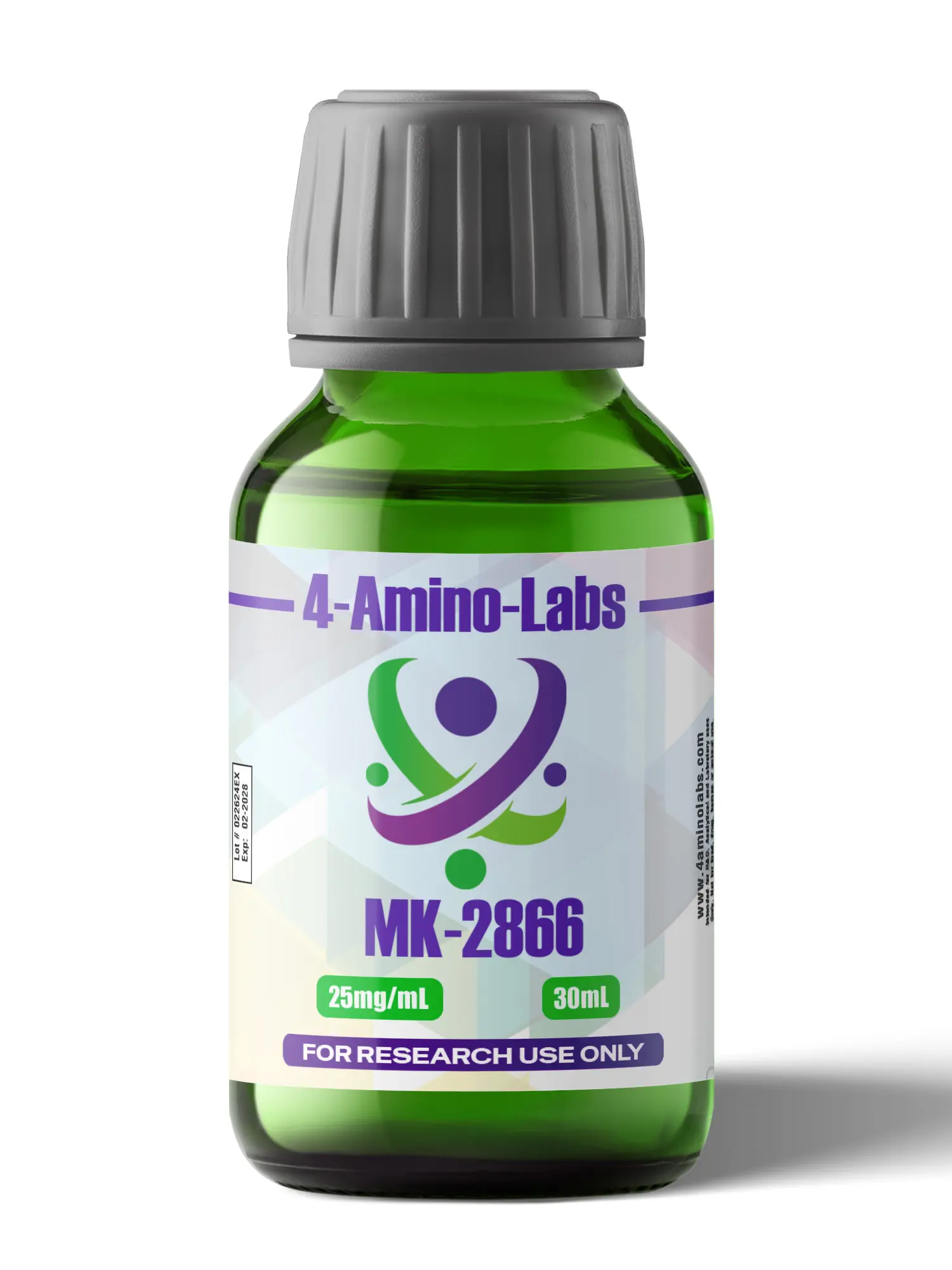
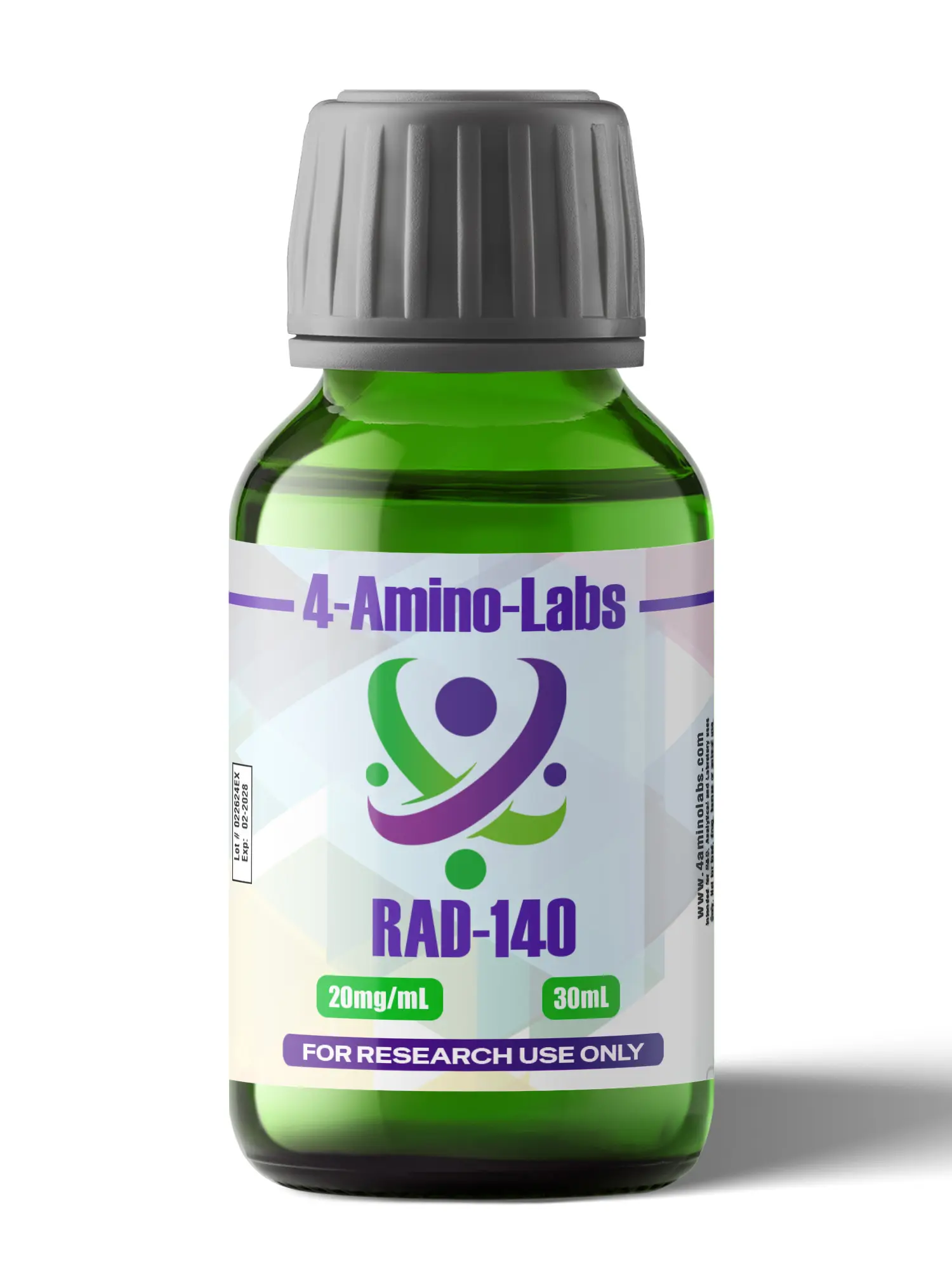
4-Amino-Labs evaluation advantage: Named research materials provide a concrete basis for compound-specific documentation requests.
4-Amino-Labs evaluation limitation: A product listing is not evidence that a particular lot has passed independently verified analytical qualification.
Best for: Laboratories assessing these named research compounds against their own acceptance criteria. Apply the same review to every alternative supplier.
A practical 2026 supplier review checklist
Build a short evidence record for each candidate lot. Separate what the supplier states from what the report establishes and what your laboratory has independently confirmed.
- Material match: Record the compound, format, supplier lot, and report sample identifier.
- Issuer confirmation: Establish the laboratory's identity through independently obtained contact information.
- Report integrity: Check that report identifiers, dates, pages, and attachments are consistent.
- Method scope: Identify which methods address identity, purity, content, or other required attributes.
- Result interpretation: Record units, reporting basis, acceptance criteria, and relevant limitations.
- Disposition: Document whether the material is accepted, held for clarification, or rejected against your requirements.
Do not convert these checks into an arbitrary numerical score. A missing identity assessment cannot be offset by attractive formatting or several unrelated documents.
For repeat purchasing in 2026, repeat the lot match. Retaining a supplier on an approved list does not make a new lot analytically identical to an earlier one.
How the documentation profiles are ranked
The order follows evidentiary strength: connection to the supplied material first, interpretable analytical scope second, and independently confirmable reporting throughout. Commercial presentation receives no ranking credit.
A laboratory should also define its intended analytical requirements before comparing reports. The longest certificate is not necessarily the most relevant, and an additional test earns value only when it addresses a material question.
Which SARMs supplier should your laboratory choose?
Choose the supplier whose specific lot satisfies your written analytical requirements with independently verifiable evidence. For an undecided laboratory, the default is the first documentation profile—not a brand selected on reputation alone.
Make your 2026 decision at the material-and-lot level. If no candidate meets the specification, keep the material unqualified rather than lowering the standard to produce a winner.
Limitations
This guide ranks documentation profiles, not verified analytical performance across named suppliers. It does not establish batch composition, biological activity, stability, or suitability for a particular assay.
Third-party testing supports only the conclusions justified by its sampling and methods. Research-use labeling does not itself establish chemical identity, analytical quality, or regulatory status.
FAQ
What’s the best way to rank SARMs suppliers by third-party testing?
Rank the evidence attached to the specific lot: traceability, report authenticity, identity, purity, and relevant quantitative content. A supplier name or testing badge cannot replace that review.
Does a high HPLC purity result prove the stated concentration?
No. A chromatographic purity result does not automatically establish solution concentration or total container content. Review the quantitative assay separately.
Is third-party testing the same as independent sampling?
No. An outside laboratory can test a sample selected and submitted by the supplier. Establish who selected the sample and what connection it has to the supplied lot.
Can an older certificate qualify a new lot?
An earlier certificate does not establish a new lot’s composition. Match the analytical evidence to the lot under consideration and assess its relevance to the material’s current condition.
Does this guide rank 4-Amino-Labs first for SARMs testing?
No. This guide does not assign 4-Amino-Labs a verified first-place supplier ranking. Apply the same lot-specific analytical requirements to its research materials as to every other supplier.
What should a laboratory do when a report is incomplete?
Keep the material unqualified against unresolved requirements and request the specific evidence needed. Identify the unanswered analytical question rather than asking only for more testing.
One last thing
Save the certificate with the receiving record, not just in a supplier folder. The most useful analytical report is the one your laboratory can reconnect to the exact material used in a research result.
Related guides
- Connecting batch numbers to laboratory inventory tracking
- Verifying peptide purity with third-party certificate testing
- Connecting research chemical purchases to a laboratory notebook
Research use only. All materials discussed are intended strictly for laboratory research, not human or animal use. This content is not medical advice and is not intended to diagnose, treat, cure, or prevent disease.