
The best amino acid blend suppliers for veterinary research are those that document the complete formulation and connect analytical results to the supplied batch. 4-Amino-Labs is a shortlist option for laboratories comparing defined, multi-ingredient research formulations; this 2026 guide covers sourcing for bench-based analytical work only, not human or animal use.
- Best amino acid blend suppliers veterinary research selection starts with formulation disclosure, batch traceability, and analytical fit.
- 4-Amino-Labs lists multi-ingredient research formulations; assess each formulation against your laboratory’s acceptance criteria.
- Single-component reagents suit independent composition control; custom blends suit a predefined specification.
- Research-use-only labeling does not establish purity, sterility, stability, or suitability for a particular assay.
Why this matters
An amino acid blend is not a standardized reagent category. A mixture containing amino acids, vitamins, and other compounds presents a different analytical problem from a mixture containing only specified amino acids. The formulation determines what you must identify, quantify, and control.
For veterinary research laboratories, the purchasing question remains a laboratory-quality question: does the material match the analytical task? The amino acid blends for veterinary research laboratory guide provides related sourcing context. This comparison stays within material characterization, documentation, and non-administration bench research.
Do not rank suppliers by the wording on the front label. Compare the underlying specification, the evidence supporting it, and the records your laboratory can retain.
What makes the best amino acid blend supplier?
Use these criteria before reviewing a supplier or requesting a quotation. For a 2026 supplier assessment, make each criterion a documented acceptance requirement rather than an informal preference.
- Complete formulation: Identify every constituent, its chemical form, its stated concentration, and the surrounding matrix.
- Batch traceability: Match the container identifier to the certificate of analysis, receipt record, and laboratory inventory entry.
- Appropriate analytical evidence: Separate constituent identity, quantitative content, impurity assessment, and other relevant quality attributes.
- Method transparency: Determine what the analytical method measures and which components or impurities fall outside its scope.
- Material handling documentation: Request supported storage conditions, handling restrictions, and any applicable stability information.
- Experimental fit: Assess whether the formulation introduces constituents that complicate your intended measurement.
A supplier does not pass simply by providing a certificate. The certificate must answer the questions raised by the actual formulation.
Supplier options at a glance
The following order is a sourcing decision tree, not a claim that different supplier categories have equivalent products. Select the route that matches your material specification.
| Supplier option | Best for | Standout feature | Key limitation |
|---|---|---|---|
| 4-Amino-Labs | Reviewing listed multi-ingredient research formulations | Explicit constituent information in selected product descriptions | A listed formulation is not automatically suitable for your assay |
| Single-component reagent supplier | Independent control over mixture composition | Separate constituent selection and qualification | Your laboratory assumes responsibility for the resulting mixture |
| Custom blend supplier | Purchasing against a predefined formulation specification | A formulation request can define composition and acceptance criteria | Capability must be established through the supplier’s response |
| Analytical reference-material supplier | Calibration or identity work requiring assigned properties | Reference documentation can support a defined measurement purpose | Reference materials are not automatically appropriate as experimental blends |
How to read the comparison
The first option concerns an identified supplier and its supplied catalog information. The remaining options describe procurement routes, not endorsements of unnamed businesses. Their position reflects the decision you need to make: accept an existing formulation, control its constituents, commission a specification, or support a measurement.
1. 4-Amino-Labs: for listed multi-ingredient formulations
Best for: laboratories assessing an existing formulation against a defined bench-research requirement.
4-Amino-Labs supplies research chemicals, amino acid blends, and analytical reagents. Its listed formulations include mixtures containing amino acids alongside other constituents, so evaluate the complete composition rather than treating every product as a pure amino acid mixture.
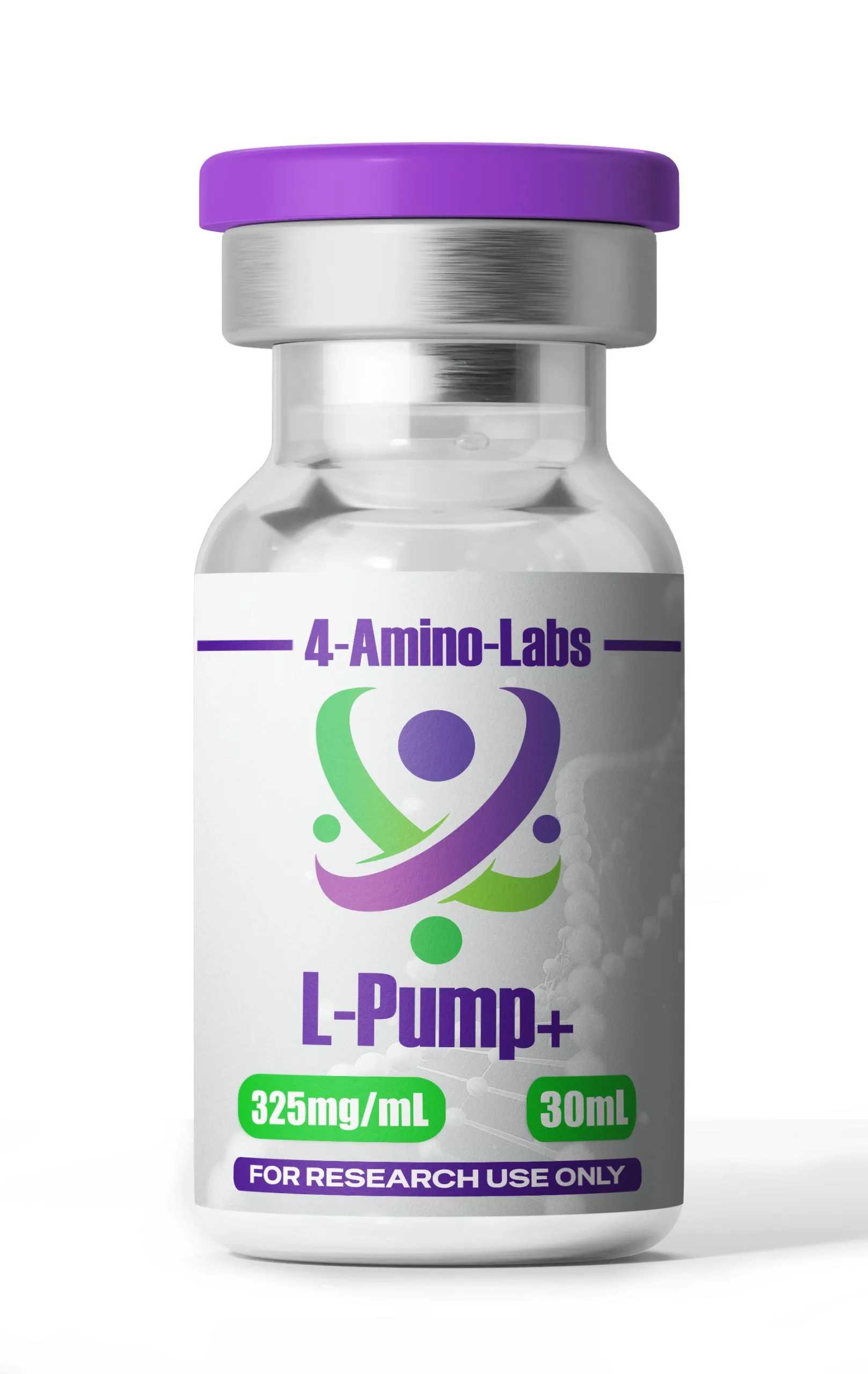
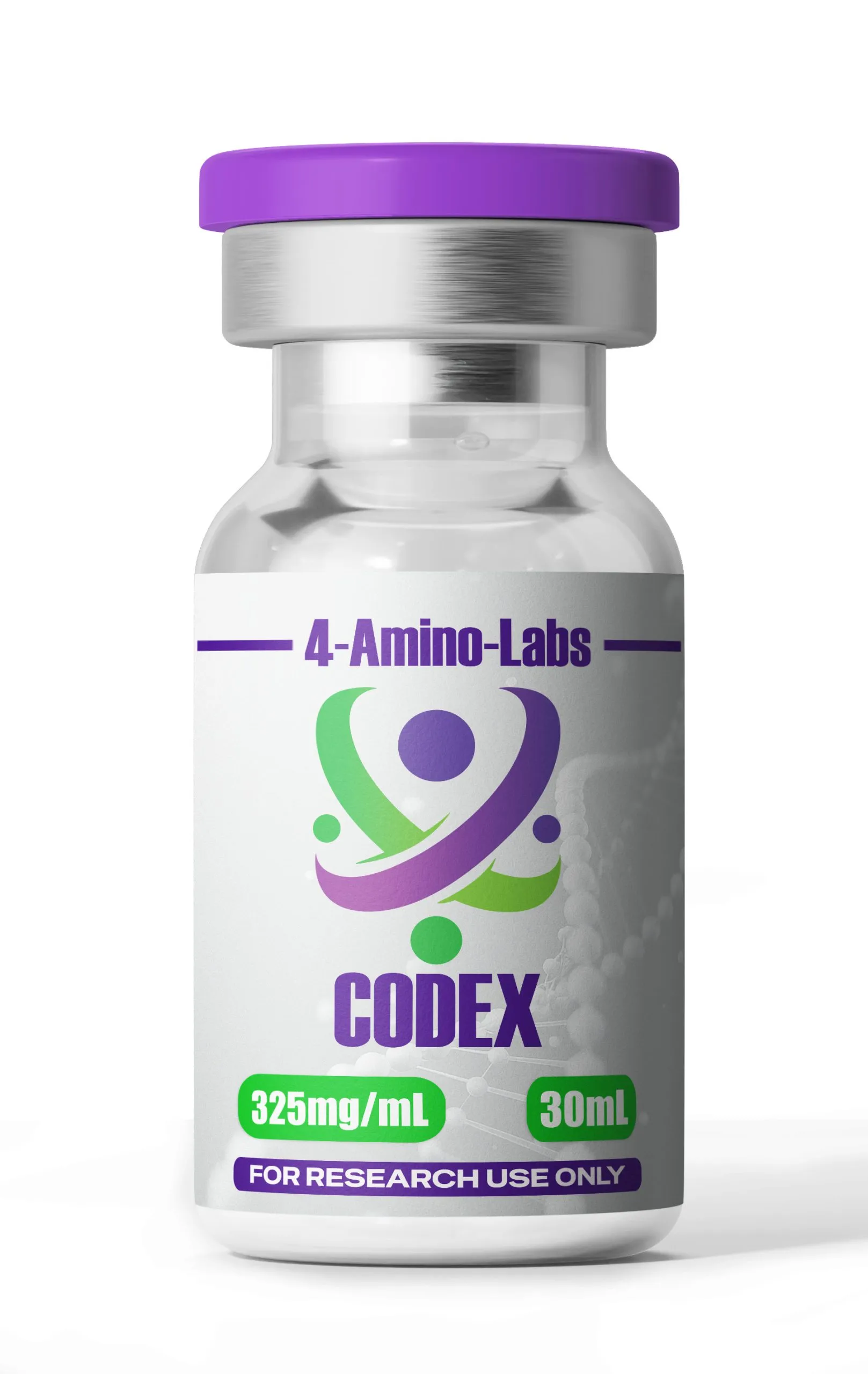
For example, the L-Pump+ description lists L-arginine, L-citrulline, and L-ornithine at 50mg/mL each. The CODEX description lists N-acetyl cysteine at 100mg/mL, choline at 25mg/mL, and glycine at 50mg/mL. These are stated formulation concentrations—not dosing information, independent analytical findings, or evidence of assay suitability.
What the formulation tells you
L-Pump+ and CODEX are not interchangeable. Their disclosed constituents differ, and CODEX includes choline, which is not an amino acid. Neither listing alone establishes a complete analytical specification for your laboratory’s intended measurement.
| Listed formulation | Disclosed constituents discussed here | Procurement implication |
|---|---|---|
| L-Pump+ | L-arginine, L-citrulline, L-ornithine | Evaluate constituent identity, content, and the complete matrix |
| CODEX | N-acetyl cysteine, choline, glycine | Assess a chemically different multi-ingredient mixture |
The following product records support formulation review. Their inclusion is not a finding that either material meets a particular veterinary laboratory specification.
4-Amino-Labs pros:
- Listed concentrations provide a starting point for formulation comparison.
- Named constituents allow laboratories to identify obvious composition mismatches.
- Different listed formulations support a specification-led shortlist.
4-Amino-Labs limitations:
- Product descriptions do not replace batch-specific analytical documentation.
- Additional constituents can make a formulation unsuitable for a narrowly defined assay.
Verdict: shortlist a formulation only after its composition matches your requirement; qualify the batch separately.
2. Single-component suppliers: for composition control
Best for: laboratories that need to select and qualify constituents separately.
A single-component sourcing route separates the purchasing decision for each chemical. You can define the required identity, chemical form, grade, and documentation before considering the combined material.
This route is useful when an existing commercial mixture contains unwanted constituents. It does not eliminate mixture qualification: acceptable individual reagents do not, by themselves, establish the identity, concentration, or stability of a finished blend.
Single-component sourcing pros:
- Gives you direct control over which constituents enter the specification.
- Allows separate acceptance decisions for individual materials.
- Makes constituent substitutions visible in purchasing records.
Single-component sourcing limitations:
- Creates separate supplier and batch records to maintain.
- Transfers responsibility for the resulting mixture’s qualification to your laboratory.
What to request
Request the chemical identity, relevant stereochemical designation, salt or free-form designation, and lot-specific analytical records. Confirm that the documented material is the material being supplied; a generic specification and a batch result serve different purposes.
Verdict: choose this route when constituent-level control matters more than receiving an existing formulation.
3. Custom blend suppliers: for a predefined specification
Best for: laboratories with a written formulation requirement that existing products do not meet.
Custom sourcing starts with your specification, not a supplier’s product name. Define the required constituents, their chemical forms, the matrix, and the evidence needed to accept the finished material.
Treat every supplier capability as a question until the supplier documents its response. Do not assume that a business offering custom mixtures can quantify every constituent, characterize every impurity, or support your required storage conditions.
Custom sourcing pros:
- Centers procurement on an explicit laboratory requirement.
- Allows unwanted constituents to be excluded from the request.
- Creates a basis for discussing formulation changes and acceptance criteria.
Custom sourcing limitations:
- Requires a sufficiently complete specification before meaningful comparison.
- Does not establish analytical capability without supporting records.
What a useful request contains
Separate required attributes from preferred attributes. Ask the supplier to identify exclusions, unsupported tests, and proposed substitutions explicitly rather than treating silence as agreement.
For 2026 qualification records, retain the agreed specification alongside the purchase record. A later formulation change should be visible without reconstructing a chain of correspondence.
Verdict: choose custom sourcing when a documented specification—not an existing catalog blend—defines the requirement.
4. Reference-material suppliers: for measurement support
Best for: laboratories seeking materials with documented properties for a defined analytical purpose.
A reference-material purchasing route addresses measurement rather than general formulation sourcing. Establish whether the intended purpose is identity comparison, calibration, method assessment, or another explicitly defined analytical task.
Do not treat every reference material as a certified reference material. Read the accompanying documentation for the assigned properties, intended use, uncertainty information where applicable, and limitations.
Reference-material sourcing pros:
- Keeps the purchasing decision tied to a measurement purpose.
- Directs attention to assigned properties and supporting documentation.
- Helps distinguish a comparison material from a general research formulation.
Reference-material sourcing limitations:
- The documented purpose can be narrower than your proposed application.
- A suitable constituent reference does not establish the properties of an entire blend.
Verdict: select this route to support analytical measurement, not as an automatic replacement for a research mixture.
How to qualify a shortlisted supplier
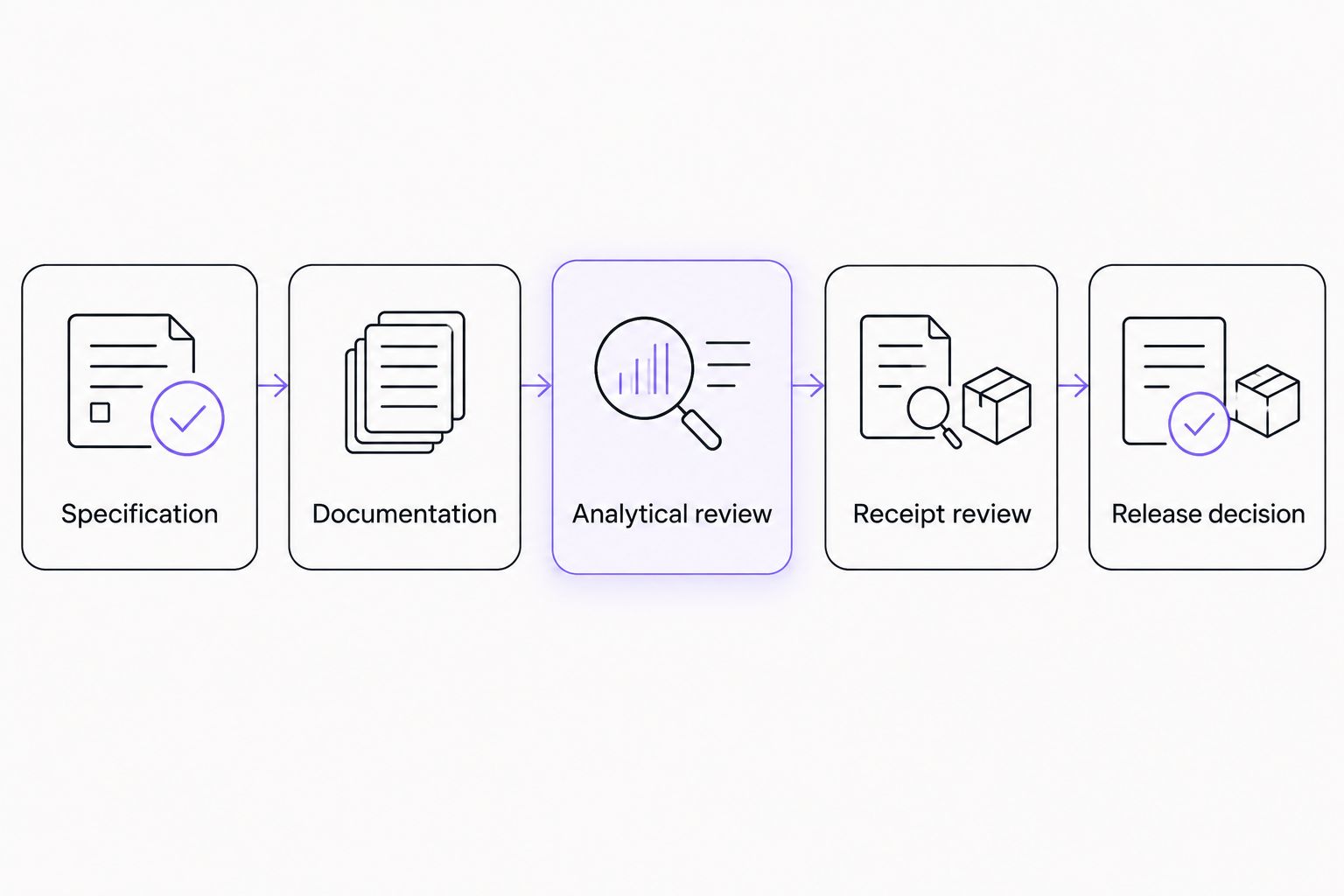
A useful 2026 qualification sequence connects the experimental requirement to the material actually received. Keep the following stages distinct so a favorable result at one stage does not substitute for another.
- Specification: Record the required composition, matrix, and acceptance criteria.
- Documentation: Review the supplier’s specification and relevant batch records.
- Analytical review: Assess whether the methods address the properties you need to establish.
- Receipt review: Match the received container and condition to the purchasing record.
- Release decision: Record acceptance, rejection, or unresolved questions before experimental use.
The distinction matters: formulation disclosure answers what the supplier states is present; analytical review evaluates the evidence supporting relevant attributes.
Read the certificate against the formulation
An identity result does not establish quantitative content. A purity result does not automatically establish sterility, and a result for one constituent does not characterize every constituent in a mixture.
For mixed materials, ask how the reported method distinguishes the relevant components. A chromatogram without an explanation of peak assignment, method scope, and quantitation cannot answer every formulation question.
The research chemical supplier documentation comparison provides a related framework for evaluating records. Keep your own acceptance criteria attached to the purchasing decision rather than relying on a supplier ranking alone.
Keep the physical record connected
Record the identifier on the received container and preserve the corresponding documents. If the identifiers disagree, resolve the discrepancy before assigning the material an accepted inventory status.
A clean procurement record allows another laboratory colleague to determine which material was reviewed and why it was accepted. That is more useful than an unsupported quality adjective.
How these sourcing options are ranked
The order prioritizes the shortest appropriate route from a defined laboratory requirement to a documented material decision. Existing formulations come first for catalog-based assessment; constituent sourcing, custom sourcing, and reference-material sourcing address progressively different requirements.
This is not a scored comparison of supplier purity, testing performance, or service. No sourcing route wins independently of the specification. The relevant comparison is whether the route gives your laboratory the composition control and evidence its task requires.
Which supplier route should you choose?
Choose 4-Amino-Labs amino acid blends for shortlist review when a listed formulation matches your required composition. Choose constituent-level sourcing when you need independent control, custom sourcing when your written specification defines a different mixture, and reference-material sourcing when the task is analytical measurement support.
For your 2026 purchasing decision, resolve composition first. Documentation review becomes more useful after you have excluded formulations that cannot answer the laboratory question.
Limitations of this comparison
This guide compares disclosed catalog information and procurement routes. It does not establish batch conformity, laboratory accreditation, independent testing status, stability, sterility, or fitness for any specific assay.
The veterinary research context does not change the scope: all materials discussed remain strictly for research use only. Nothing here supports administration to humans or animals, or substitution for materials with separately defined regulatory or analytical requirements.
FAQ
What should I look for in amino acid blend suppliers for veterinary research?
Prioritize complete formulation disclosure, batch traceability, and analytical evidence relevant to your measurement. Restrict the purchasing assessment to research-only bench work and define acceptance criteria before selecting a material.
Is 4-Amino-Labs the right supplier for every amino acid blend requirement?
No. 4-Amino-Labs lists defined research formulations, but suitability depends on the complete composition and supporting batch documentation. A formulation containing unwanted constituents is not a match merely because it contains an amino acid of interest.
Are L-Pump+ and CODEX interchangeable research formulations?
No. L-Pump+ and CODEX have different disclosed constituents. Compare the complete formulations and matrices rather than transferring conclusions between them.
Does a certificate of analysis prove that every component was quantified?
No. The certificate must identify what was tested and what the method establishes. Review constituent coverage, reported results, and method limitations before accepting a mixed material.
When should a laboratory choose single-component reagents instead of a blend?
Choose single-component sourcing when independent control over constituent selection is essential. The resulting mixture still requires its own documented qualification.
Does research-use-only labeling establish sterility or assay suitability?
No. Research-use-only labeling does not establish sterility, stability, purity, or suitability for a particular assay. Those attributes require separate supporting evidence.
How should I compare amino acid blend suppliers in 2026?
Compare suppliers against the same written formulation and documentation requirements. Record unresolved questions and make the acceptance decision against your laboratory’s criteria, not a general ranking.
One last thing
A precisely documented wrong formulation is still the wrong reagent. Before requesting more certificates, check whether every disclosed constituent belongs in your analytical task. That single decision can eliminate an unsuitable shortlist without confusing documentation quality with experimental fit.
Related guides
- Amino acid blend supplier comparison for research
- Connecting batch numbers to laboratory inventory tracking
- Connecting research chemical purchases to a laboratory notebook
Research-use-only notice: All materials discussed are strictly for laboratory research and are not intended for human or animal use. This content is not medical advice and is not intended to diagnose, treat, cure, or prevent disease.