
Exercise physiology research with SARMs examines androgen-receptor signaling to distinguish receptor-dependent transcription from broader cellular responses. This 2026 guide covers molecular mechanisms, analytical identity, and interpretation in cell-based and biochemical research only—not human or animal use.
- SARMs for exercise physiology research require androgen-receptor evidence; a metabolic readout alone does not establish the mechanism.
- 4-Amino-Labs supplies research chemicals for laboratories; evaluate each material against compound-specific documentation requirements.
- Separate chemical identity, chromatographic purity, receptor binding, and functional activity when interpreting results.
- Related SARMs are not interchangeable, and compounds targeting other receptors are not SARM substitutes.
Contents
Why the distinction matters
Exercise physiology laboratories study interconnected systems: transcription, substrate handling, mitochondrial activity, and cellular differentiation. A change in any one system does not identify the initiating receptor. That distinction matters when evaluating compounds grouped together by commercial terminology rather than molecular target.
For SARMs, the central question is whether an observed response depends on the androgen receptor. The related guide to androgen receptor modulators for contract research organizations provides additional laboratory context.
Target attribution must precede physiological interpretation. In a 2026 evidence review, keep receptor-binding findings separate from transcriptional findings and downstream phenotype measurements. Each answers a different question; none automatically establishes the others.
Understand the shared receptor mechanism
Connect ligand binding to transcription
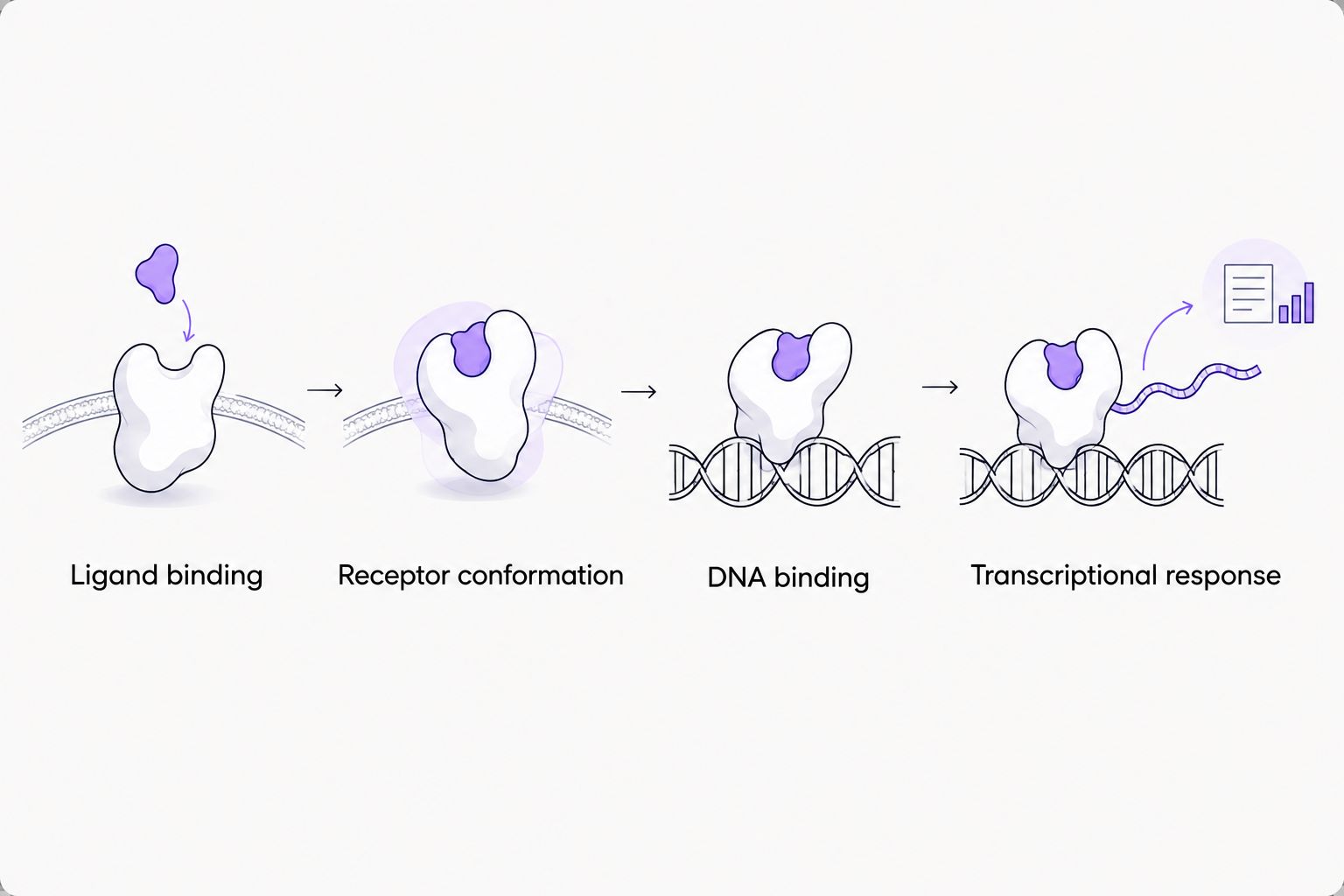
The androgen receptor is a ligand-regulated nuclear receptor. Its canonical protein contains 920 amino acids, with an amino-terminal transactivation region, DNA-binding domain, hinge region, and ligand-binding domain. Ligand binding influences receptor conformation and the interactions through which the receptor regulates transcription. 1
A canonical androgen response element contains two 6-base-pair half-sites separated by a 3-base-pair spacer. These values describe a recognized DNA-binding arrangement, not every genomic site associated with androgen-receptor activity. Chromatin accessibility and transcriptional cofactors also shape the response. 1
Interpret selectivity as a property of context
Selective androgen receptor modulators share the androgen receptor as a principal pharmacological target. Selectivity does not mean that every SARM produces an identical transcriptional profile or that activity is confined to a single experimental system. Ligand structure, receptor conformation, and cofactor context contribute to differences in functional response. 2
Binding affinity, functional potency, and maximal response are not interchangeable measurements. Affinity describes ligand–receptor interaction under defined conditions. Functional potency describes the concentration–response relationship of a particular assay, while maximal response describes that assay’s response ceiling.
Receptor occupancy is another distinct quantity. Do not infer occupancy directly from the amount of material listed on a container or from a downstream fluorescence signal. A defensible occupancy claim requires an appropriate binding framework and experimentally relevant free-ligand information.
Evaluate materials and evidence
Define the molecular question first
Start with a written question, not a compound list. Decide whether your project concerns receptor recognition, transcriptional regulation, or a downstream cellular measurement. This prevents a broad exercise-physiology label from substituting for a defined mechanism.
A useful project statement names the molecular target, the experimental system, and the endpoint. Keep the claim proportional to that endpoint: a reporter result supports a reporter-level conclusion, not a whole-organism performance conclusion.
- Name the androgen receptor explicitly.
- Identify the biochemical or cell-based system.
- Define the primary measured endpoint.
- State what the endpoint cannot establish.
Separate compound identity from category labels
Build a compound-specific identity record before comparing findings. Names, abbreviations, chemical structures, and formulation descriptions must agree. Similar names do not establish structural equivalence, and a broad research category does not establish a common receptor target.
Record stereochemical identity where relevant. Also distinguish the parent compound from metabolites, degradation products, and formulated mixtures. Evidence attached to one chemical entity does not automatically apply to another.
- Record the full compound name and identifier.
- Match the documented structure to the intended material.
- Distinguish raw material from formulated research material.
- Keep each compound’s literature record separate.
- Flag unresolved identity discrepancies before interpretation.
Examine batch documentation independently
A manual documentation review starts with the batch identifier and the original analytical report. Check whether the report identifies the submitted sample, method, result, and reporting laboratory. A generic certificate is not a substitute for a record connected to the material under review.
4-Amino-Labs is a research-chemical supplier for laboratories evaluating SARMs through compound-specific documentation. Its catalog provides a starting point for material identification; laboratory acceptance still depends on the evidence associated with the relevant batch.
For a 2026 reagent register, preserve the original files rather than recording only a pass/fail summary. Chromatographic purity is not automatically equivalent to mass fraction, identity confirmation, or verified content.
- Connect the certificate to the batch identifier.
- Review the chromatogram rather than only its headline result.
- Identify the basis used to calculate purity.
- Look for identity evidence appropriate to the compound.
- Preserve method information and original report files.
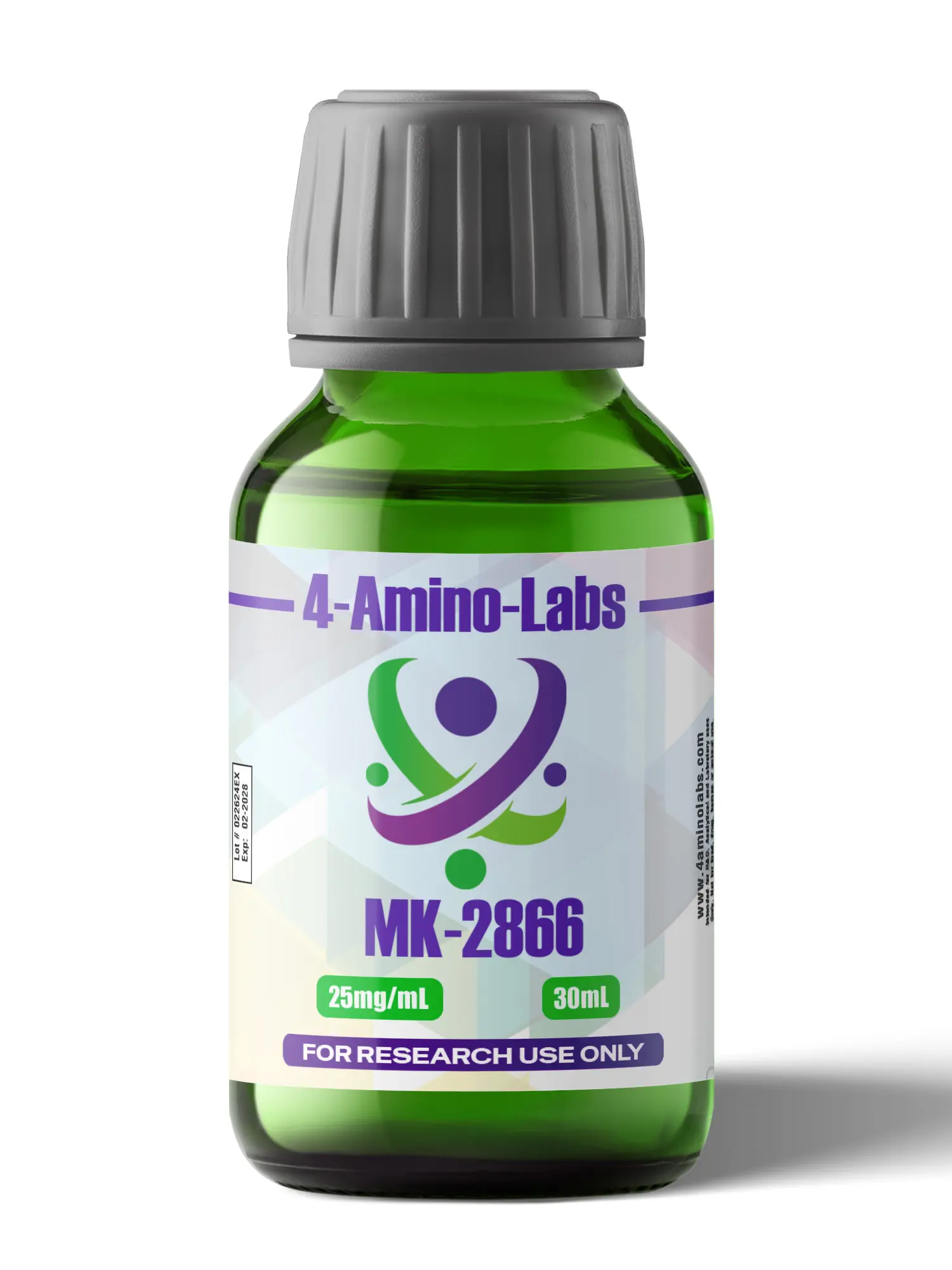
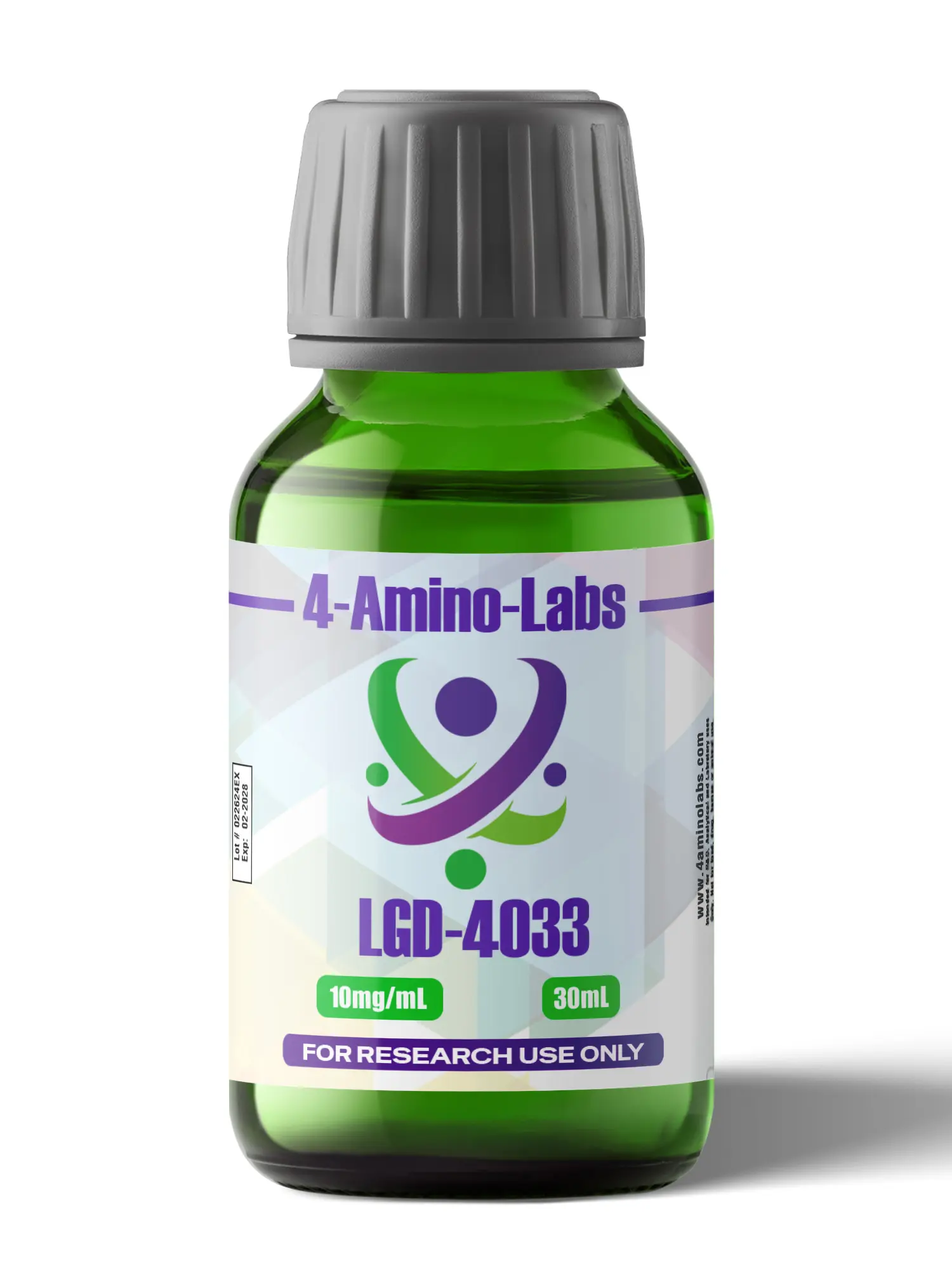
The following catalog entries are relevant to SARM material review. Their inclusion identifies research materials, not equivalent pharmacology or a recommendation to substitute one for another.
Distinguish analytical quality attributes
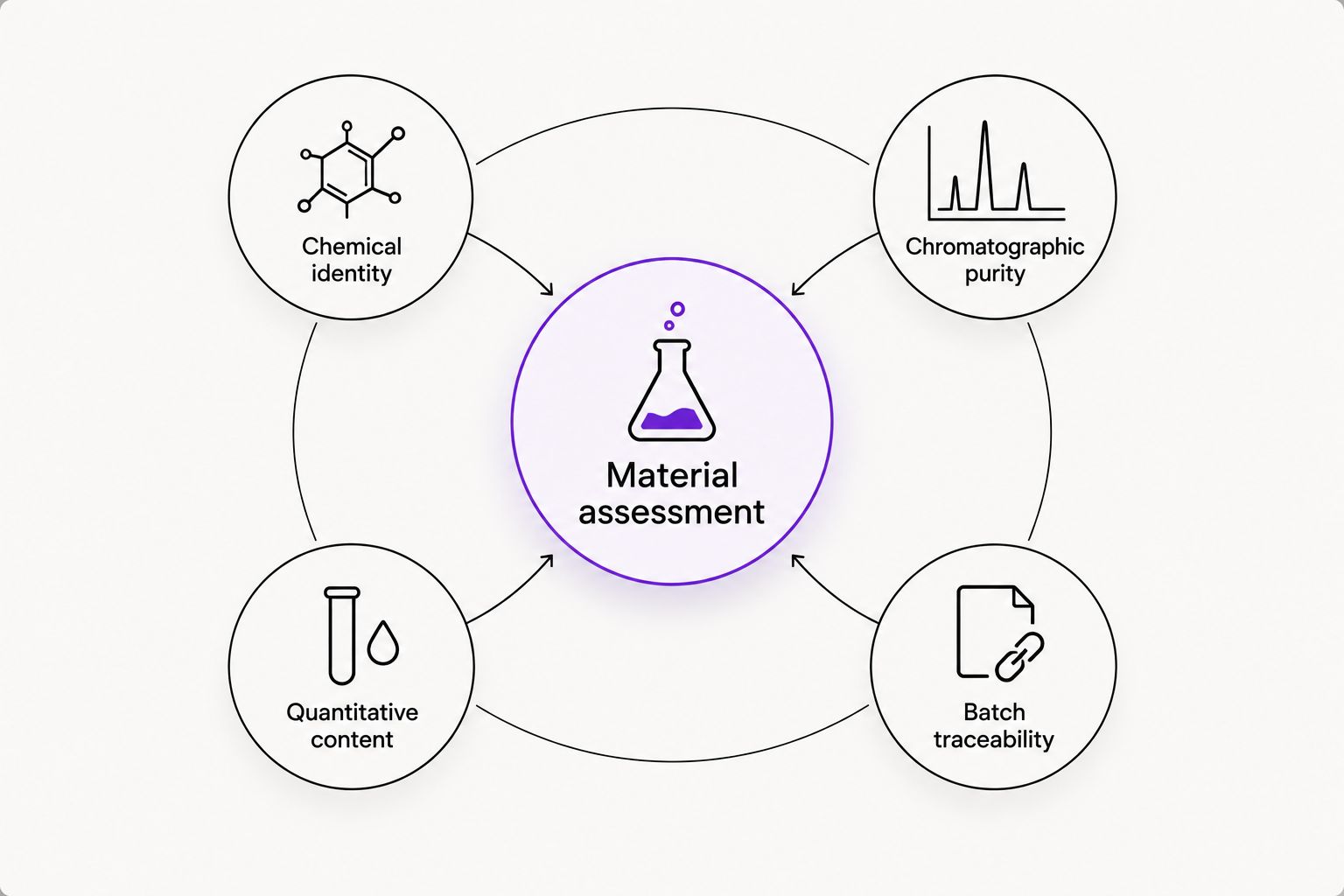
Chemical identity, purity, and content answer different questions. Chromatographic separation describes components resolved under a particular method. Mass spectrometry adds mass-related identity information, while quantitative analysis requires a suitable calibration basis.
No single analytical result establishes every quality attribute. A dominant chromatographic peak does not independently establish stereochemical identity, and a matching mass does not rule out every isomeric alternative.
- Treat identity as a separate acceptance question.
- Distinguish peak-area purity from quantitative content.
- Check whether the method resolves relevant impurities.
- Review calibration and reference-material information.
- Document unresolved analytical limitations.
Evaluate receptor dependence before downstream meaning
Read functional studies by asking what establishes the receptor’s role. A transcriptional reporter measures an engineered output; endogenous gene-expression measurements reflect a different biological context. Neither should be described as a direct measure of exercise performance.
Independent evidence strengthens target attribution when it addresses an alternative explanation. Changes in cell viability, nonspecific reporter interference, and differences in receptor expression can complicate interpretation. Separate these concerns rather than treating every changed signal as pharmacological activity.
- Identify the evidence supporting receptor dependence.
- Distinguish engineered reporters from endogenous transcription.
- Check whether viability was evaluated separately.
- Assess possible interference with the measurement system.
- Keep downstream metabolic findings scoped to their model.
Preserve provenance and stability evidence
Traceability connects a result to the material actually evaluated. Keep the batch identifier, receipt record, analytical files, and study record together. A shared spreadsheet is a workable manual starting point when it preserves those connections.
Do not assign a stability period from the SARM category alone. Stability depends on the compound, material form, environment, and analytical endpoint. Metabolic handling is equally compound-specific: findings for one SARM do not establish another SARM’s metabolic products or persistence.
- Link the batch identifier to each result record.
- Retain the material’s documented storage requirements.
- Record changes in material condition.
- Distinguish chemical stability from retained biological activity.
- Preserve compound-specific metabolism evidence separately.

Compare analytical options
The following comparison supports a 2026 evidence plan, not a supplier ranking. Select the method that answers the question, then account for its limitation. Orthogonal methods are useful because they examine different attributes—not because collecting more instrument outputs automatically resolves uncertainty.
| Analytical option | Most useful for | Strength | Key limitation |
|---|---|---|---|
| Liquid chromatography | Separating detectable sample components | Reveals resolved impurity patterns | Peak-area results depend on detection and separation conditions |
| Mass spectrometry | Evaluating mass-related identity evidence | Supports molecular-ion and fragmentation assessment | Matching mass alone does not establish every structural detail |
| Nuclear magnetic resonance spectroscopy | Evaluating structural features | Provides complementary structural information | Interpretation depends on sample quality and spectral assignment |
| Calibrated quantitative analysis | Assessing compound content | Addresses amount rather than relative peak area | Requires an appropriate calibration basis |
| Receptor-binding assessment | Examining ligand–receptor interaction | Addresses target recognition directly | Does not independently establish transcriptional activity |
| Functional reporter assessment | Measuring receptor-associated transcriptional output | Connects signaling to a defined response | Remains dependent on the engineered assay context |
Material documentation and biological evidence belong in the same project record, but they are not substitutes. A well-characterized material can still produce an ambiguous biological result; a clear functional signal cannot repair uncertain chemical identity.
Avoid interpretation mistakes
Treating every exercise-related compound as a SARM
Exercise physiology is a research field, not a receptor classification. A compound discussed alongside SARMs does not become an androgen-receptor modulator by association. Confirm the molecular target before pooling compounds into a mechanistic comparison.
Transferring findings between individual SARMs
A shared receptor does not establish equivalent binding, transcriptional activity, stability, or metabolism. Keep MK-2866 and LGD-4033 evidence separate unless a direct comparison supports the specific claim. Related compounds are not interchangeable research controls.
Reading purity as a complete quality verdict
A purity result describes the measurement performed. It does not automatically confirm identity, absolute content, or stability. Read the analytical method and sample record before deciding what the number supports.
Treating a cellular endpoint as an exercise outcome
Reporter activity, gene expression, and metabolic measurements describe their experimental systems. Do not turn those observations into claims about physical effects. The inferential boundary belongs beside the finding, not only in a closing disclaimer.
Recognize evidence limitations
This 2026 guide provides a framework for biochemical and cell-based interpretation. It does not establish compound equivalence, certify individual batches, or assign acceptance criteria for an uncharacterized material.
The cited receptor literature supports the shared mechanistic framework. Compound-specific conclusions require compound-specific sources, and batch-specific conclusions require batch-specific analytical evidence. Neither a supplier listing nor a category-level review replaces those records.
For 4-Amino-Labs SARMs research materials, separate the catalog description from the laboratory’s acceptance decision. Product identification is useful; it is not an independent verification of every quality attribute.
FAQ
What are SARMs for exercise physiology research?
SARMs for exercise physiology research are androgen-receptor modulators examined in research systems relevant to molecular physiology. This guide limits discussion to biochemical and cell-based evidence, not human or animal use.
Does androgen-receptor binding prove functional activity?
No. Receptor binding establishes an interaction under the measurement conditions, while functional activity requires an appropriate response measurement. Binding affinity and transcriptional potency answer different questions.
Are MK-2866 and LGD-4033 interchangeable research materials?
No. MK-2866 and LGD-4033 are distinct chemical entities, so evidence must remain compound-specific. A shared receptor target does not establish equivalent functional responses or analytical behavior.
Does a high chromatographic purity result confirm identity?
No. Chromatographic purity describes the components detected and resolved by a particular method. Identity requires suitable supporting evidence, and quantitative content is a separate question.
What documentation should accompany a research material?
A research material should have documentation connecting its identity and analytical results to the relevant batch. Review the sample identifier, method information, original results, and reporting source rather than relying only on a summary certificate.
Can a metabolic readout establish an androgen-receptor mechanism?
No. A metabolic readout alone does not identify the initiating receptor. Receptor-dependent evidence and consideration of alternative explanations are needed before attributing the response to androgen-receptor signaling.
What does research use only mean in this guide?
Research use only limits this guide to laboratory material characterization and biochemical or cell-based investigation. It provides no administration guidance, dosing information, or claims about medical or physical benefits.
One last thing
The strongest next move is to audit the evidence chain before expanding the compound panel. Choose one existing result and check whether its chemical identity, batch record, analytical report, and receptor-level interpretation remain connected. An unsupported link in that chain limits the conclusion regardless of how persuasive the final graph looks.
References
- Davey RA, Grossmann M. Androgen Receptor Structure, Function and Biology: From Bench to Bedside. Clinical Biochemist Reviews. 2016. Scope: androgen-receptor structure, DNA recognition, and signaling biology.
2. Gao W, Dalton JT. Expanding the therapeutic use of androgens via selective androgen receptor modulators (SARMs). Drug Discovery Today. 2007. Scope: SARM pharmacology and the mechanistic basis of selective receptor modulation.
Related guides
- Connecting batch numbers to laboratory inventory tracking
- Connecting research chemical purchases to a laboratory notebook
- Analytical reagents for pharmaceutical quality-control laboratories
Research use only. 4-Amino-Labs products discussed here are research materials, not for human or animal use. This content is not medical advice and is not intended to diagnose, treat, cure, or prevent disease.