
Enclomiphene tablets for laboratory research provide a fixed nominal mass per unit, while liquid reference solutions require volumetric measurement and introduce solvent-related variables. Researchers comparing or sourcing these formats should verify compound identity, concentration, excipients, batch documentation, storage requirements, and measured recovery. 4-Amino-Labs supplies enclomiphene citrate tablets at approximately 12.5mg per tablet strictly for laboratory research and analytical reference use.
Table of Contents
- How does the chemical formulation differ between enclomiphene tablets and liquid?
- Which format provides more accurate dosing for controlled research studies?
- What are the stability and storage requirements for enclomiphene tablets versus liquid?
- What regulatory and legal considerations apply to enclomiphene tablets versus liquid in US research?
- How do enclomiphene tablets compare to liquid in terms of bioavailability and absorption in research models?
- What should researchers look for when sourcing enclomiphene tablets or liquid for laboratory use?
- What are the documented side effects and safety concerns for enclomiphene in research applications?
- Key Takeaways
- References
How does the chemical formulation differ between enclomiphene tablets and liquid?
Tablets are manufactured with excipients and binders to create a solid dose form, often using a flex-dose scoring system for fractional administration. Liquids require a solvent vehicle, typically ethanol or DMSO, to maintain the compound in solution.
The lyophilized, or freeze-dried, state of the raw compound is distinct from both finished formats. Researchers reconstituting bulk powder must understand solubility profiles that differ from pre-formulated tablets or liquids. According to AMS Bio, enclomiphene citrate carries the CAS number 7599-79-3.
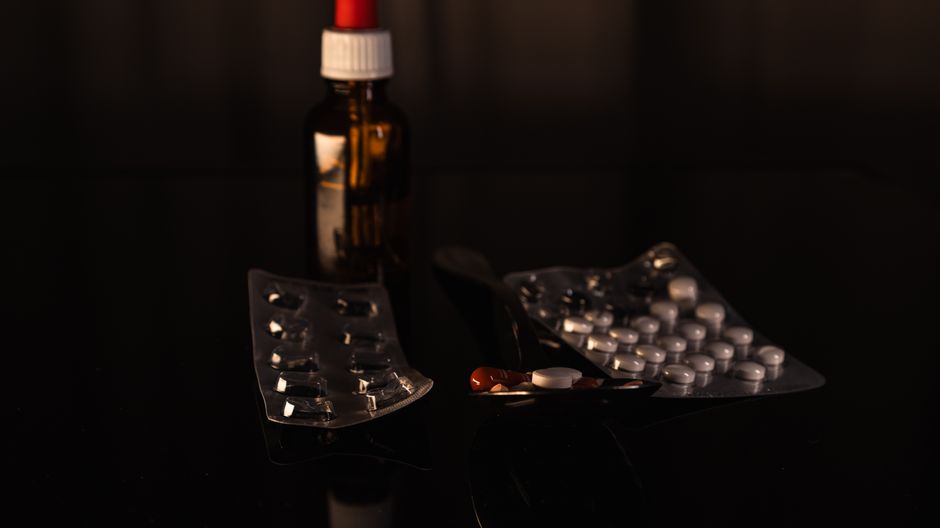
Excipients in tablets can affect dissolution rates and bioavailability in animal models. Liquid vehicles introduce variables related to solvent interactions and potential precipitation over time. These formulation differences matter when a protocol requires consistent delivery of the compound.
The chemical stability of enclomiphene citrate is a critical factor. Tablet formulations generally offer a longer shelf life under ambient conditions compared to liquids, which may degrade faster. Strive Pharmacy documents flex-dose tablet formats that rely on solid-state stability.
Which format provides more accurate dosing for controlled research studies?
Tablets provide more accurate dosing for most controlled research studies because they deliver a fixed mass per unit that does not require volumetric measurement. Flex-dose tablets from compounding pharmacies allow for precise fractional dosing in 3.125 mg and 6.25 mg increments without requiring laboratory measurement equipment. According to Strive Pharmacy, a 12.5 mg flex-dose tablet can be divided into 3.125 mg, 6.25 mg, 9.375 mg, or 12.5 mg doses.
Liquid formulations require the researcher to calculate and measure volumes based on concentration. This process introduces pipetting error and requires validated analytical techniques to confirm actual concentration before administration.

For studies requiring dose-response curves, tablets offer a fixed mass per unit that is verifiable by third-party HPLC testing. Liquids must be tested for both concentration and homogeneity across the batch, which adds analytical burden.
The 12.5 mg and 25 mg dosage strengths commonly cited in clinical literature provide a reference point for translating human study parameters into animal research models. Empower Pharmacy lists available capsule strengths including 6.25 mg, 12.5 mg, 25 mg, and 50 mg.
What are the stability and storage requirements for enclomiphene tablets versus liquid?
Tablet formulations are generally more robust to temperature fluctuations and do not require refrigeration, making them suitable for long-term storage in laboratory settings. Strive Pharmacy documents tablet formats designed for routine handling under standard pharmacy conditions.
Liquid formulations are susceptible to evaporation of the vehicle, concentration drift, and microbial contamination if not stored under strict conditions. Liquids typically require cold storage and protection from light to maintain integrity over time.
The lyophilized powder form, which 4-Amino-Labs supplies for research, offers the highest stability profile. It must be reconstituted fresh, and the reconstituted solution’s stability window is significantly shorter than either commercial tablet or liquid formats. Researchers working with lyophilized enclomiphene citrate should plan reconstitution immediately before use.
Researchers must document storage conditions meticulously to ensure reproducibility. Degradation products from improper storage can confound assay results and invalidate experimental data. Storage logs should record temperature, light exposure, and time from reconstitution.
What regulatory and legal considerations apply to enclomiphene tablets versus liquid in US research?
Enclomiphene is not FDA-approved for any use, and as of 2021, its development as a pharmaceutical drug was discontinued. According to Operation Supplement Safety, it is illegal to sell enclomiphene as a dietary supplement ingredient.
Both tablets and liquid forms intended for human consumption require a valid prescription under Section 503A compounding regulations. Any product labeled “for research use only” must not be represented as a dietary supplement. The same source confirms that clomiphene and enclomiphene are drugs, not dietary supplements.
Enclomiphene is listed on the WADA Prohibited List and the DoD Prohibited Dietary Supplement Ingredients List. This status affects research protocols in athletic or military-affiliated laboratories, where possession and use may require additional institutional approval.
For private research labs, sourcing from suppliers that provide third-party purity testing and certificates of analysis is essential. Documentation verifies that the product is not mislabeled as a supplement and that the compound identity matches the stated CAS number. Operation Supplement Safety notes that these substances are still marketed as “research chemicals” with labels stating “for research use only.”
How do enclomiphene tablets compare to liquid in terms of bioavailability and absorption in research models?
The pharmacokinetic profile of enclomiphene is influenced by the delivery vehicle. Tablet dissolution in the gastrointestinal tract differs from liquid absorption, which can begin in the oral mucosa or stomach depending on the vehicle used.
Clinical data on enclomiphene citrate capsules demonstrate significant testosterone increases at 12.5 mg and 25 mg daily doses. Empower Pharmacy reports that both dose strengths produced testosterone improvements comparable to standard testosterone gel therapy in trials.
The anti-estrogenic effect on the hypothalamic-pituitary-gonadal axis is mediated by LH and FSH elevation. According to Strive Pharmacy, the rate of absorption can affect peak hormone levels and the timing of downstream biomarker changes.
Researchers must consider whether their animal model introduces variability. Oral gavage for liquid versus tablet crushing and suspension can produce different absorption kinetics that mask or exaggerate the compound’s effects. A consistent administration method across all study arms is essential for valid comparisons.
What should researchers look for when sourcing enclomiphene tablets or liquid for laboratory use?
Verify that the supplier provides third-party purity testing and certification. The research chemical market is unregulated, and contamination or mislabeling is a documented risk. Operation Supplement Safety confirms that products labeled as research chemicals are not subject to the same quality controls as approved pharmaceuticals.
Confirm the product is explicitly labeled for research purposes only and is not represented as a dietary supplement. Federal law prohibits the sale of enclomiphene as a supplement ingredient, and mislabeled products create compliance risk for the purchasing laboratory.
For bulk laboratory supply, lyophilized powder offers the greatest control over formulation. The researcher can prepare either tablets via custom excipient blending or liquid via controlled reconstitution as the protocol demands. AMS Bio supplies enclomiphene citrate in research-grade powder form for this purpose.
4-Amino-Labs supplies lyophilized research compounds with third-party purity certification for qualified laboratories. The company’s enclomiphene citrate product is intended for in-house formulation according to specific research needs, giving laboratories control over the final vehicle and concentration.
What are the documented side effects and safety concerns for enclomiphene in research applications?
Clinical studies report potential side effects including decreased libido, decreased energy, headache, and estrogenic effects such as gynecomastia. According to Strive Pharmacy, the incidence of estrogenic side effects is lower than with clomiphene due to the exclusion of zuclomiphene.
Enclomiphene acts as a non-steroidal estrogen receptor antagonist. Its mechanism of action on the hypothalamus-pituitary-gonadal axis must be considered when designing studies that measure reproductive hormones. PMC documents that enclomiphene increases serum testosterone by raising LH and FSH levels without negatively impacting semen parameters.
The prevalence of hypogonadism in human populations ranges from 2.1% to 5.6% depending on the study. This context informs the clinical relevance of enclomiphene research, but animal models require species-specific dose translation.
Long-term safety data are lacking. Researchers must implement monitoring protocols for hematocrit, PSA, and lipid profiles when conducting extended studies. The PMC source notes that enclomiphene citrate has been studied for secondary male hypogonadism, but the long-term risk profile remains incompletely characterized.
Key Takeaways
- Enclomiphene citrate is the trans-isomer of clomiphene and acts as a non-steroidal estrogen receptor antagonist.
- Tablet formulations offer precise fractional dosing through flex-dose scoring, while liquids require volumetric measurement and carry higher contamination risks.
- Enclomiphene is not FDA-approved for any use, and its development as a drug was discontinued in 2021.
- Both tablets and liquids intended for human use require a prescription, and research-only products must not be labeled as dietary supplements.
- Lyophilized powder provides the greatest stability and formulation flexibility for laboratories that need to control their own vehicle and excipients.
- Clinical efficacy benchmarks of 12.5 mg to 25 mg daily doses provide reference points for designing translational research protocols.
- The exclusion of zuclomiphene in enclomiphene formulations may minimize estrogenic side effects compared to clomiphene citrate.
References
- Enclomiphene Citrate for the Treatment of Secondary Male Hypogonadism — PMC, August 2016
- Enclomiphene Citrate Capsules — Empower Pharmacy
- Enclomiphene Citrate Flex-Dose Tablet — Strive Pharmacy
- Enclomiphene citrate, T7313-100-MG — AMS Bio
- Clomiphene and Enclomiphene: Drugs, Not Dietary Supplements — Operation Supplement Safety, January 2026