
If you are researching YK-11 for muscle growth, understanding its biochemical action is essential before considering use. This synthetic compound has generated intense interest in bodybuilding and research communities for its unusual dual mechanism of action, yet it carries risks that remain poorly understood even in 2026. This article provides a science-backed, risk-aware analysis of how YK-11 works in the body, covering its myostatin-inhibiting properties, the critical gap between animal studies and human claims, and the safety context that every researcher and informed buyer should know. We do not provide usage guidance. We provide the evidence so you can make decisions grounded in data, not forum anecdotes.
Table of Contents
- What Is YK-11? A Synthetic Steroidal SARM
- How YK-11 Works in the Body: The Myostatin Pathway
- YK-11 vs. Other SARMs: A 2026 Comparison
- Critical Safety Research: Neurotoxicity and Oxidative Stress
- Known and Unknown Side Effects of YK-11
- The Research Chemical Reality: What Users Need to Know in 2026
- Frequently Asked Questions About YK-11
- The Bottom Line on YK-11 in 2026
What Is YK-11? An Injectable Synthetic Steroidal SARM
YK-11 was discovered in 2009 by Japanese scientist Yoshimura Kotera during pharmaceutical research into muscle-wasting conditions. It is classified as a synthetic steroidal selective androgen receptor modulator, or SARM. This classification matters because it places YK-11 in a unique structural category. Unlike non-steroidal SARMs such as ostarine or andarine, YK-11 possesses a steroidal backbone. Yet it is not a traditional anabolic steroid. Its behavior at the androgen receptor is fundamentally different from compounds like testosterone or trenbolone.
The critical distinction lies in how injectable YK-11 interacts with the androgen receptor. It functions as a gene-selective partial agonist, meaning it activates some androgen receptor signaling pathways but not others. Specifically, YK-11 does not induce the N/C interaction, the full conformational change required for complete transactivation of the receptor. This partial agonism is what separates SARMs from classical steroids and is the theoretical basis for tissue selectivity, though tissue selectivity in humans remains unproven for YK-11.
Molecular docking studies have confirmed that YK-11 binds with high affinity to the androgen receptor, with hydrogen interactions at residue Arg752 playing a key role in its binding potency. This structural data explains why YK-11 shows strong receptor engagement in laboratory models. However, binding affinity alone does not predict safety or efficacy in living organisms. As of 2026, YK-11 is not FDA-approved for any human use, including bodybuilding or muscle-wasting treatment. It remains strictly a research chemical, sold for laboratory investigation only.
How YK-11 Works in the Body: The Myostatin Pathway
The primary reason YK-11 attracts attention is its proposed mechanism involving myostatin inhibition. Myostatin is a protein that acts as the body’s natural brake on muscle growth. In animals and humans with naturally occurring myostatin deficiencies, dramatic muscle hypertrophy occurs. YK-11 is believed to increase the expression of follistatin, a protein that binds directly to myostatin and neutralizes its activity. By reducing functional myostatin levels, YK-11 theoretically removes a key limitation on muscle tissue expansion.

This mechanism is distinct from that of most other SARMs. Compounds like RAD-140 or ostarine bind to androgen receptors and stimulate anabolic signaling in muscle and bone tissue, but they do not directly interfere with the myostatin pathway. YK-11’s dual action, androgen receptor activation plus myostatin suppression, is what makes it unusual and, to some researchers, compelling. The idea is that YK-11 simultaneously steps on the gas pedal of muscle protein synthesis while cutting the brake line that normally limits hypertrophy.
However, the evidence supporting this mechanism in humans is nonexistent. The follistatin and myostatin data come from in vitro cell cultures and limited animal models. No peer-reviewed human clinical trial has confirmed that YK-11 increases follistatin expression in human muscle tissue, nor that it produces meaningful myostatin reduction at any dose. The gap between laboratory bench data and human physiology is wide, and in 2026 it remains entirely unbridged for this compound. Researchers and buyers should treat the myostatin narrative as a hypothesis, not an established fact.
YK-11 vs. Other SARMs: A 2026 Comparison
YK-11 is frequently compared to RAD-140, also known as Testolone, because both are considered high-potency SARMs in research and bodybuilding circles. The comparison is useful but limited. RAD-140 is a non-steroidal SARM that acts as a pure androgen receptor agonist. It binds the receptor and activates anabolic signaling without the steroidal backbone YK-11 carries. YK-11 adds the myostatin inhibition angle, which RAD-140 lacks. This difference leads some to speculate that YK-11 may produce greater muscle gains, but speculation is not evidence.
Combination therapy, often called stacking in online forums, involves using YK-11 alongside RAD-140 to target both the androgen receptor and myostatin pathways simultaneously. This dual-pathway approach is theoretically interesting but carries unknown additive risks. No clinical data exists on the safety or pharmacodynamic interactions of these two compounds used together. The stress on the hypothalamic-pituitary-gonadal axis, liver metabolism, and cardiovascular system could be compounded in ways that animal models have not explored.
Compared to milder SARMs like ostarine, YK-11 is associated with stronger suppression of natural testosterone production. This conclusion comes from anecdotal user reports and extrapolation from animal data, not from controlled human studies. The steroidal structure of YK-11 may contribute to more pronounced endocrine disruption, though the exact mechanism of suppression remains uncharacterized. As of 2026, no SARM has received FDA approval for muscle-building purposes. All are sold for research only, and none come with validated human dosing protocols.
Critical Safety Research: Neurotoxicity and Oxidative Stress
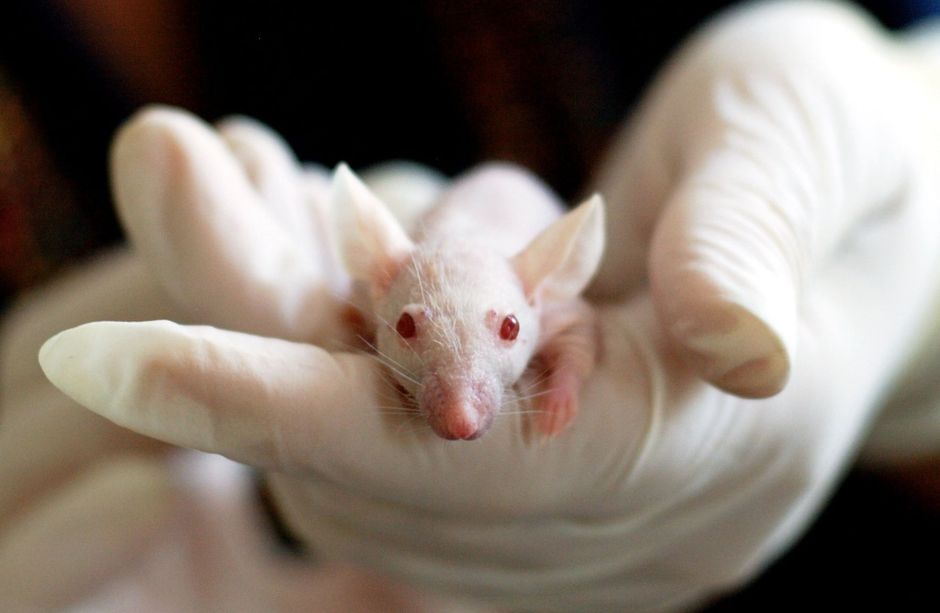
The most significant safety signal for YK-11 comes from a 2023 animal study that examined its effects on the brain. Researchers administered YK-11 to male Wistar rats at 0.35 grams per kilogram over five weeks and then analyzed hippocampal tissue. The findings, published under PubMed ID 37468001, showed that YK-11 promoted oxidative stress and mitochondrial dysfunction in the hippocampus, a brain region critical for memory formation and spatial navigation.
The study included an exercise component that produced a striking result. Exercise alone had a clear neuroprotective effect in the rats, reducing oxidative markers and supporting mitochondrial health. However, when exercise was combined with YK-11 administration, the neuroprotective benefits disappeared. Exercise could not reverse or mitigate the neurochemical impairments caused by the compound. This finding is especially concerning because it suggests that YK-11’s neurotoxic effects are robust enough to override protective physiological interventions.
For users asking how YK-11 affects the brain, a common question in search data, the only direct evidence available in 2026 points toward hippocampal damage, not cognitive enhancement or neuroprotection. The oxidative stress and mitochondrial respiratory chain dysfunction observed in this study raise questions about long-term cognitive consequences, including potential effects on learning, memory, and mood regulation. No human neuroimaging or cognitive testing data exists for YK-11, so the clinical relevance of these rat findings remains uncertain but cannot be dismissed.
Known and Unknown Side Effects of YK-11
The known side effect profile of YK-11 is assembled from animal toxicology data and user self-reports, not from controlled human trials. Liver toxicity is a primary concern. SARMs as a class have been associated with elevated liver enzymes, cholestatic injury, and in rare cases, severe drug-induced liver damage. YK-11’s steroidal structure may increase hepatic burden, though direct hepatotoxicity studies specific to YK-11 are sparse. Cardiovascular strain is another documented risk, with SARMs generally linked to unfavorable shifts in lipid profiles, including reduced HDL cholesterol and increased LDL.
Testosterone suppression is expected with YK-11 use. The compound does not increase testosterone. On the contrary, exogenous androgen receptor agonists typically suppress the hypothalamic-pituitary-gonadal axis, reducing endogenous testosterone production. The degree and reversibility of this suppression for YK-11 are unknown. Anecdotal reports describe post-cycle hormonal crashes and prolonged recovery periods, but without standardized dosing or laboratory verification, these accounts are difficult to interpret.
The unknown risks are arguably more important than the known ones. As of 2026, no human clinical data exists on YK-11’s long-term health consequences. There are no medically reviewed dosage guidelines anywhere in the scientific literature. Drug interaction information is completely absent. Researchers do not know how YK-11 interacts with common medications, other research compounds, or recreational substances. The legal landscape adds another layer of risk. YK-11 is not a federally controlled substance in the United States as of 2026, but it is prohibited by the World Anti-Doping Agency and may violate the Dietary Supplement Health and Education Act if marketed for human consumption rather than laboratory research.
The Research Chemical Reality: What Users Need to Know in 2026
Every bottle of YK-11 sold online carries the label “For research purposes only, not for human consumption.” This is not a casual disclaimer. It is a legal requirement that reflects the compound’s unapproved status and the absence of human safety data. The phrasing exists to comply with regulations that prohibit selling unapproved drugs for human use. Buyers who ignore this designation assume personal liability for any consequences.
Quality control in the research chemical market is unregulated. There are no mandatory purity standards, no contamination testing requirements, and no batch verification processes that manufacturers must follow. One supplier’s YK-11 may differ substantially from another’s in purity, identity, or the presence of synthesis byproducts. Researchers who need reliable compounds for laboratory work must source from suppliers that voluntarily provide third-party analytical testing, such as HPLC or mass spectrometry reports. Without such documentation, the contents of a vial are essentially unverified.
The dominant user intent in 2026 remains informational with strong commercial undertones. Search data shows high volume for “YK-11 for sale” alongside “YK-11 side effects,” indicating that users are cross-referencing safety information with purchasing decisions. This pattern suggests an audience that is risk-curious but not necessarily risk-informed. 4-Amino-Labs provides high-purity research compounds for laboratory investigation, supported by transparent educational resources. We emphasize that all safety data on YK-11 is preliminary and that consultation with a qualified medical professional is essential before any consideration of use beyond controlled laboratory settings. For researchers evaluating sourcing options, our research guide offers additional context on quality standards and handling protocols.
Frequently Asked Questions About YK-11
Is YK-11 considered a steroid?
YK-11 is a synthetic steroidal SARM. It has a steroidal chemical backbone, which distinguishes it structurally from non-steroidal SARMs like ostarine or RAD-140. However, it is classified as a SARM rather than a traditional anabolic steroid because of its selective, partial agonist activity at the androgen receptor. Traditional steroids typically produce full receptor activation across multiple tissues, while YK-11’s gene-selective mechanism is more targeted, at least in theory. The steroidal structure does mean YK-11 shares some chemical characteristics with classical steroids, which may influence its metabolism and toxicity profile.
Does YK-11 increase testosterone?
No. YK-11 is expected to suppress natural testosterone production, not increase it. As an exogenous compound that activates androgen receptors, YK-11 signals the hypothalamic-pituitary-gonadal axis to reduce endogenous hormone output. This is the same negative feedback mechanism seen with anabolic steroids and other potent SARMs. The degree of suppression and the timeline for recovery are not characterized in humans. Animal data and user reports suggest significant suppression is possible, but without controlled studies, precise predictions are impossible.
How does YK-11 affect the brain?
The only direct evidence comes from a 2023 rat study that found YK-11 induced oxidative stress and mitochondrial dysfunction in the hippocampus. Exercise, which normally protects brain tissue, did not prevent YK-11-induced damage in this study. These findings suggest potential neurotoxicity, but human brain effects remain completely unknown. No imaging studies, cognitive assessments, or long-term neurological follow-ups have been conducted in humans using YK-11. The hippocampal findings should be interpreted as a red flag warranting caution, not as definitive proof of human neurotoxicity.
What are the effects of YK-11?
The desired effects, based on in vitro and animal data, include increased follistatin expression, reduced myostatin activity, and the potential for enhanced muscle hypertrophy beyond what androgen receptor activation alone would produce. The adverse effects observed in animal studies include oxidative stress, mitochondrial dysfunction, and hormonal disruption. User reports add liver strain, testosterone suppression, and lipid profile changes to the list of concerns. The balance between desired and adverse effects in humans is unknown, as is the dose range at which benefits might outweigh risks, if such a range exists at all.
The Bottom Line on YK-11 in 2026
YK-11 is a structurally and mechanistically unique SARM that has captured research interest for its dual action on androgen receptors and the myostatin pathway. The theoretical basis for its muscle-building potential is plausible, but plausibility is not proof. The gap between cell culture data and human clinical evidence remains as wide in 2026 as it was when the compound was first discovered. No human trials have validated its efficacy, established its safety, or defined appropriate dosing.
The 2023 neurotoxicity study stands as the most concerning piece of safety data available. The finding that YK-11 caused hippocampal oxidative stress and mitochondrial dysfunction, and that exercise could not protect against this damage, should give any researcher pause. Brain health effects are among the most difficult to detect, measure, and reverse, making this signal especially troubling given the total absence of human neurological data.
As of 2026, there are no FDA-approved dosage guidelines, no long-term human safety studies, and no regulated manufacturing standards for YK-11 products. The compound exists in a regulatory gray zone, sold for research purposes to a market that often uses it for other reasons. For laboratory researchers and informed buyers who require high-purity compounds for legitimate scientific investigation, sourcing from suppliers that prioritize transparency and analytical verification is essential. 4-Amino-Labs provides YK-11 for laboratory use only, alongside evidence-based education designed to support safe handling and informed decision-making. The science on YK-11 is still being written, and the current chapter raises more questions than answers.